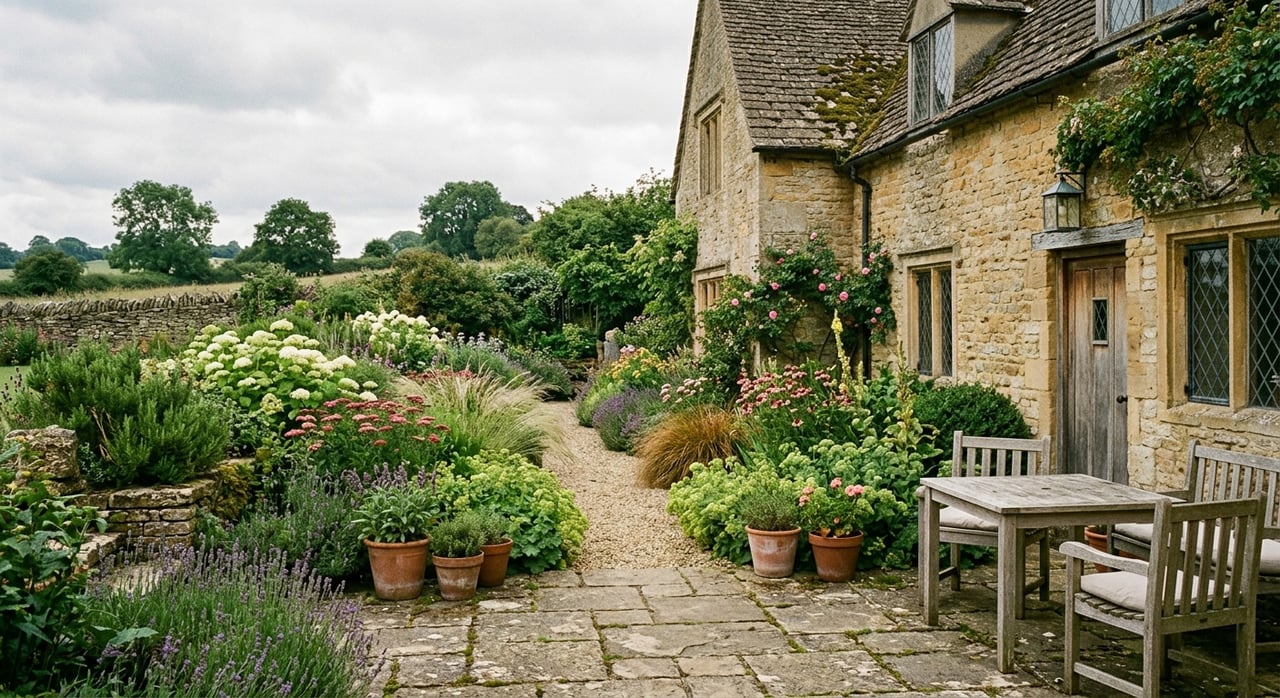
Capital Region Second Home Market vs. Hudson Valley
Choosing a second home in upstate New York often comes down to one big question: do you want easier access from New York City, or more variety and value for your money? If you are weighing the Capital Region against the Hudson Valley, you are not alone. Both areas offer strong lifestyle appeal, but they serve different priorities. This guide will help you compare price, pace, property types, and travel so you can narrow in on the region that fits how you actually want to live. Let’s dive in.
At a high level, the Capital Region and the Hudson Valley can overlap in feel, but they are not the same market. The Capital Region Chamber describes the Capital Region as a broad eight-county area spanning 5,336 square miles, with housing that ranges from downtown lofts to rural homes. By contrast, Hudson Valley tourism is more consistently shaped around river views, historic properties, farm-to-table dining, wineries, arts, hiking, and biking.
For many second-home buyers, that creates a practical split. The Capital Region tends to be the value-and-variety option, while the Hudson Valley often feels more like the destination-oriented weekend-home option. That is not a hard rule, but it is a useful starting point.
The Capital Region is broad enough to support several second-home styles without forcing you into one identity. If you want access to cultural attractions, restaurants, and walkable downtown experiences, Albany County offers that urban edge. If you want a more established leisure market, Saratoga brings a different rhythm with horse racing, mineral springs, shopping, and dining.
That range matters if you are still defining what “second home” means to you. Some buyers want a polished condo they can lock and leave. Others want a suburban-style house for extended stays, or a rural property that feels more like a retreat. The Capital Region gives you more room to explore those options within one broader geography.
The Hudson Valley has a stronger, more unified leisure identity. State tourism sources frame the region around scenic river landscapes, historic mansions, country inns, wineries, arts, and outdoor recreation. For buyers coming from New York City, that brand is part of the appeal.
In practical terms, the Hudson Valley often feels like the classic second-home market. If you picture river towns, vineyard visits, country roads, and shorter weekend travel, this region may align more naturally with your goals. It tends to appeal to buyers who want their second home to feel like an immediate shift in pace.
Price is often where this decision becomes clearer. County-level Zillow snapshots show that many Capital Region counties still offer lower entry points than much of the Hudson Valley, though there are crossover markets that blur the line.
| County | Region | Typical Home Value | Days to Pending |
|---|---|---|---|
| Albany County | Capital Region | $370,761 | 7 |
| Rensselaer County | Capital Region | $324,062 | 8 |
| Saratoga County | Capital Region | $465,901 | 7 |
| Greene County | Capital Region-adjacent | $366,487 | 70 |
| Columbia County | Crossover market | $484,414 | 37 |
| Dutchess County | Hudson Valley | $494,592 | 33 |
| Ulster County | Hudson Valley | $436,094 | 41 |
| Orange County | Hudson Valley | $464,133 | 38 |
| Putnam County | Hudson Valley | $571,204 | 27 |
| Westchester County | Hudson Valley | $865,117 | 19 |
The broad takeaway is straightforward. Albany and Rensselaer Counties are meaningfully less expensive than many lower Hudson Valley counties. At the same time, Saratoga and Columbia Counties can move into pricing territory that looks more similar to parts of the Hudson Valley.
That is why county-level comparisons matter. If you treat either region as one single market, you can miss opportunities that fit your budget and lifestyle better than expected.
Typical price is only part of the story. The number of days to pending can tell you something about market speed and buyer competition, even though you should still evaluate each town on its own.
Albany County, Rensselaer County, and Saratoga County are all moving quickly at about 7 to 8 days to pending. Greene County looks very different at about 70 days, while Columbia County sits around 37 days. In the Hudson Valley, Dutchess, Ulster, and Orange generally fall in the 33 to 41 day range, with Putnam and Westchester moving somewhat faster.
If you want a second home in a faster-moving market, parts of the Albany metro area and Saratoga may require quick decision-making. If you prefer a market where you may have more time to compare properties, some scenic counties may feel less pressured. The local town and property type still matter, but the county snapshots give you a useful first read.
For many New York City buyers, the biggest difference between these regions is travel. If you plan to use your second home often for short weekends, ease of access can become just as important as the property itself.
Amtrak’s Empire Service shows several daily trips from New York City to Albany-Rensselaer, with ride times of roughly 2 hours 25 minutes to 2 hours 41 minutes. Albany International Airport also adds flexibility, sitting at the junction of Interstate 90 and Interstate 87.
The Hudson Valley is stronger on short rail access. Metro-North’s Hudson Line serves towns including Cold Spring, Beacon, New Hamburg, and Poughkeepsie, and the ride from Grand Central to Cold Spring is about 1 hour 20 minutes. Hudson Valley Wine Country also describes the region as reachable from New York City in under 1.5 hours.
If your second home is meant to be a true grab-and-go weekend base, the Hudson Valley often has the edge. If you are comfortable with a longer trip in exchange for broader housing choices and more flexibility, the Capital Region becomes more compelling.
The right answer depends less on prestige and more on patterns. How often will you go? How long will you stay? And what do you want the property to do for you when you are there?
The Capital Region may fit best if you want:
For some buyers, that flexibility is the whole point. You may want a second home that can evolve with you, whether that means longer summer stays, remote-work stretches, or a future transition to more full-time use.
The Hudson Valley may fit best if you want:
If your ideal second home starts with the train ride and ends with a quiet Sunday afternoon before heading back to the city, the Hudson Valley often checks those boxes more naturally.
If you keep seeing both regions in your search, Columbia County is a smart place to focus. It appears in the broader Capital Region framework and also within the Hudson Valley tourism system. That makes it one of the clearest examples of a crossover market.
Columbia County also shows why rigid labels can be misleading. With a typical home value of $484,414 and about 37 days to pending, it sits in a middle zone that can appeal to buyers drawn to both regional identities. If you want a market that blends country appeal with a more in-between geographic position, this is one to watch closely.
When buyers compare the Capital Region and the Hudson Valley, the best choice usually comes down to use case. The Hudson Valley is often better for shorter, more frequent visits and buyers who want a classic destination feel. The Capital Region is often better for buyers who want more housing variety, broader value, and flexibility across city, suburban, and rural settings.
The smartest search is a specific one. Instead of asking which region is better, ask which counties and towns best support your budget, travel habits, and second-home goals. If you want a thoughtful, discreet strategy for comparing Hudson Valley and crossover-country markets, the Gladstone Karadus Team can help you refine the search and move with confidence.
Gladstone Karadus Team is dedicated to helping you find your dream home and assisting with any selling needs you may have. Contact them today for a free consultation for buying, selling, renting or investing in New York.

220 W 19TH ST FL 5 NEW YORK NY 10011