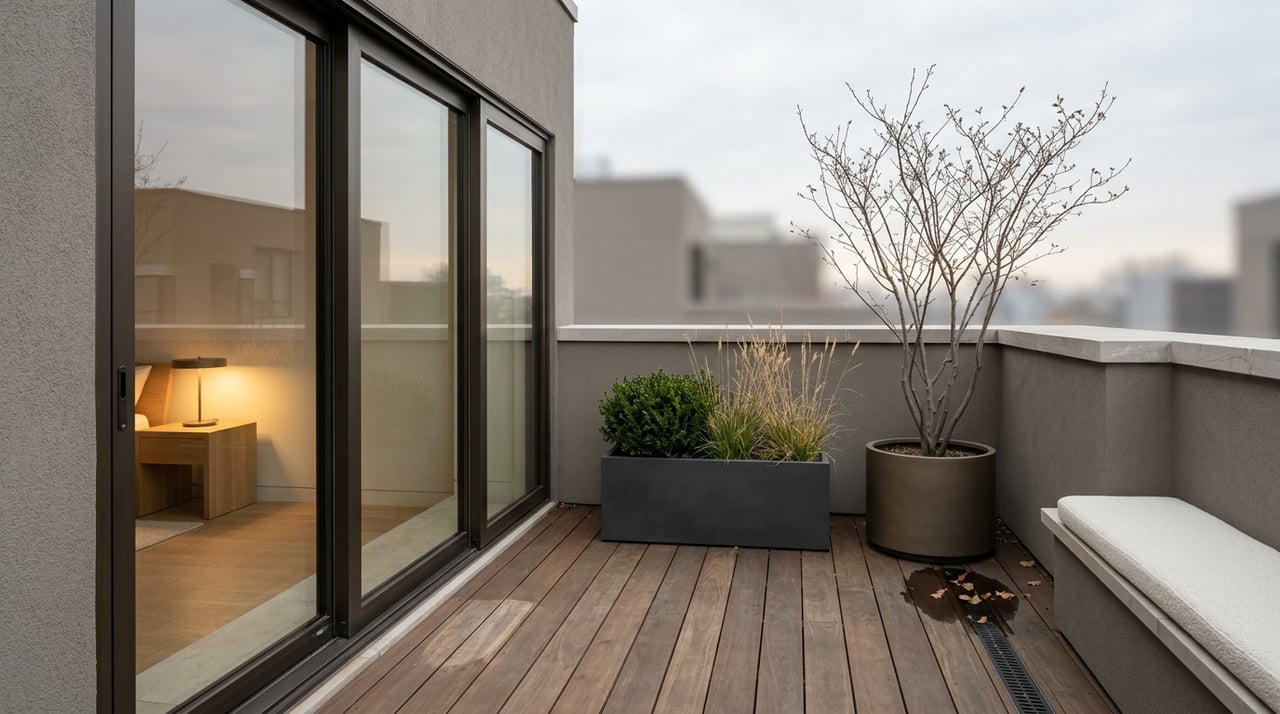
A Guide to Flatiron District Penthouse Living
If you have ever wished Manhattan living came with more sky, more light, and a little more breathing room, Flatiron is one of the places where that wish becomes especially meaningful. In a neighborhood where streets stay active and open space is limited, a penthouse, private terrace, or rooftop residence can feel less like a bonus and more like a defining part of daily life. For buyers focused on privacy, views, and true indoor-outdoor living, Flatiron offers a compelling mix of landmark character and luxury appeal. Let’s take a closer look at what rooftop living in the Flatiron District really means.
Flatiron has a rare kind of energy. The Flatiron NoMad Partnership describes it as a place where commercial and residential uses, uptown and downtown momentum, and business and leisure all come together. That blend is part of the neighborhood’s appeal, but it also means street level can feel busy for much of the day.
New York City officials have also described the area as having very limited open space. Around 23rd Street, Fifth Avenue, and Broadway, the Flatiron plazas and nearby Madison Square Park help provide public room to pause, while the Broadway shared street was created on a block where pedestrians outnumber cars 18 to 1. In that context, private outdoor space above the street can feel especially valuable.
For many buyers, rooftop living in Flatiron is about contrast. You get the convenience and cultural pull of a central Manhattan location, but you also gain separation, light, and calm when you return home. That balance is a major reason penthouses and top-floor homes stand out here.
Flatiron is not just active. It is visually distinct. City filings describe the Flatiron Building as both a designated New York City Landmark and a National Historic Landmark within the Ladies' Mile Historic District, reinforcing the neighborhood’s blend of historic identity and contemporary life.
That architectural setting shapes the experience of rooftop living. Higher-floor residences may offer landmark sightlines, skyline views, and a stronger sense of place than lower units tucked into the surrounding street grid. For buyers who care about both design and atmosphere, that can make the top of the building feel fundamentally different from the rest of it.
Not every top-floor home offers the same lifestyle. In Manhattan luxury buildings, rooftop space usually falls into one of three categories:
That difference matters more than many buyers expect. A listing may highlight outdoor space, but your day-to-day experience depends on whether the roof area is truly private, how accessible it is, and whether it feels like an extension of your home.
The strongest rooftop homes tend to deliver more than just a door to the outside. Buyers are usually responding to a combination of features that make the exterior space genuinely livable.
These often include:
A recent Flatiron House penthouse listing reflected many of these priorities, with features such as a private elevator, floor-to-ceiling glass, 916 square feet of outdoor living space, an outdoor kitchen, a planted loggia, and a roof terrace designed for entertaining. While each property is different, that example shows what many luxury buyers now expect from true rooftop living.
Scarcity plays a big role in the appeal of penthouses and rooftop homes. Manhattan’s Q1 2026 active inventory was reported at 6,091 listings, a five-year Q1 low. In the same period, median price rose 9% year over year to $1.278 million, and average price per square foot increased 4% to $1,972.
At the luxury end of the market, demand also remained notable. Sales over $3 million increased 10% year over year, and the share of sales above $5 million reached an 8.2% Q1 high. In an environment like that, homes with private outdoor space and strong views can compete on uniqueness as much as on size.
Flatiron itself has shown strong pricing as well. A neighborhood tracker placed median sale prices around $2.8 million over the three months ending May 2026, up 31.5% year over year, though neighborhood datasets can vary based on timing and methodology. Even with those variations, the broader takeaway is consistent: truly rare rooftop homes attract attention because there simply are not many of them.
A penthouse premium is not just about being on the highest floor. Buyers and appraisers tend to look at several layers of value at once, and outdoor space is usually treated as an amenity rather than a direct substitute for interior square footage.
That means two homes with similar interior dimensions may perform very differently in the market. The one with better light, more privacy, a more usable terrace layout, and stronger skyline exposure may feel much more scarce to buyers. Scarcity often drives both attention and pricing power.
Miller Samuel has long argued that higher floors usually carry value, open views matter, and terrace space should be adjusted separately from interior gross living area. One commonly cited rule of thumb from the firm is that, all else equal, the market may recognize roughly a 1% premium per floor in comparable situations. Still, real value depends on the building, the view, and how usable the outdoor space actually is.
When buyers compare rooftop homes, subtle differences can have a major impact. The most important factors often include:
In other words, not all outdoor space carries the same weight. A decorative balcony and a full-scale terrace may both appear in marketing copy, but buyers usually assign very different value to each.
With unique rooftop homes, details matter. Measurements, permitted use, and building rules should be verified carefully with your attorney or architect. That step is especially important when outdoor space is a central reason for your purchase.
Before moving forward, you may want to confirm:
These points help you understand not just what the home looks like in a listing, but how it will function in real life. For a high-value Manhattan purchase, that clarity matters.
Buying a penthouse or rooftop residence in Flatiron is rarely a simple square-footage decision. You are often weighing architecture, light, privacy, building character, market scarcity, and highly specific lifestyle goals all at once. The best choices usually come from careful comparison, not quick assumptions.
That is where experienced representation becomes especially useful. In a market where two top-floor homes can differ dramatically in quality and long-term appeal, strong guidance helps you separate headline features from genuine value.
If you are considering rooftop living in Flatiron, the right strategy starts with understanding how the space lives, how the market sees it, and how it fits your broader goals in Manhattan. To explore opportunities with discreet, high-touch guidance, connect with the Gladstone Karadus Team.
Gladstone Karadus Team is dedicated to helping you find your dream home and assisting with any selling needs you may have. Contact them today for a free consultation for buying, selling, renting or investing in New York.

220 W 19TH ST FL 5 NEW YORK NY 10011