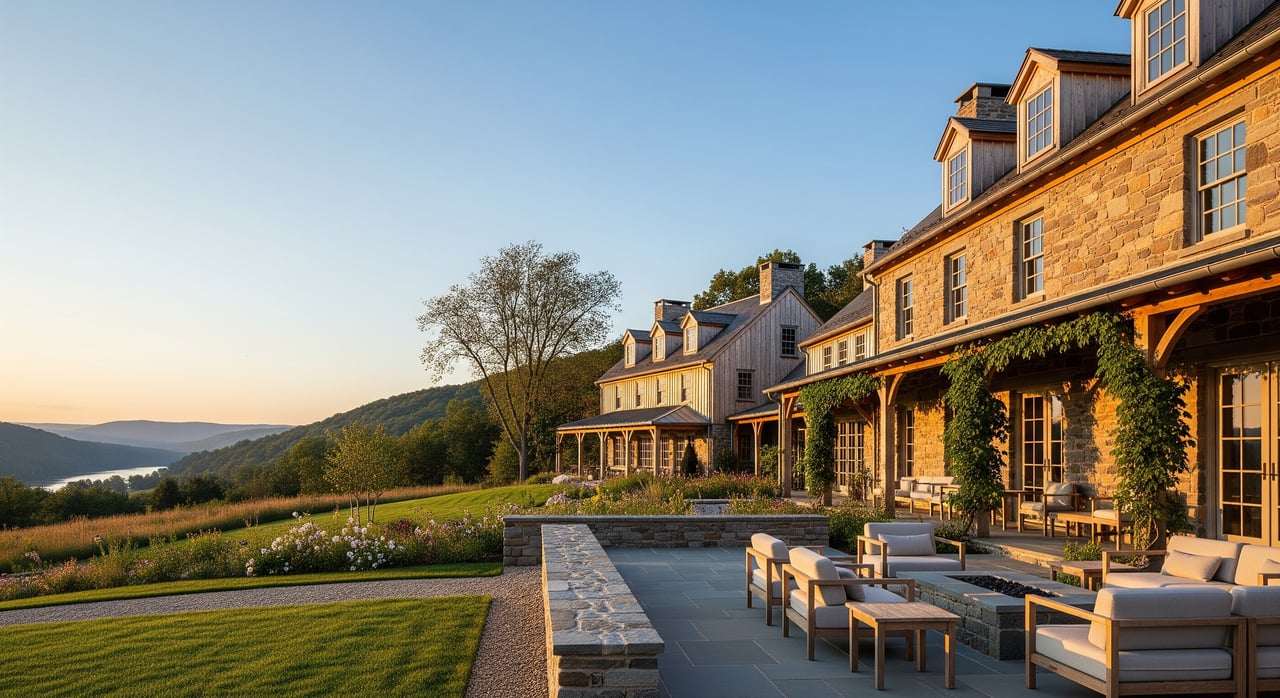
A Lifestyle Guide To Ulster County’s Country Living
Ever picture your weekends with mountain views, a winding country road, and a quick drive to a lively village for art, music, and great food? If Ulster County has been calling your name, you are not alone. Many buyers look here for land, privacy, and a slower pace, but also want smart guidance on wells, septic systems, zoning, broadband, and the realities of rural upkeep. This guide gives you a clear look at lifestyle and logistics so you can plan with confidence. Let’s dive in.
Ulster County blends the Hudson River valley, the Shawangunk Ridge, and the Catskill foothills, so you get big-sky scenery and diverse terrain. Outside the cities and villages, the landscape is mostly rural, with a mix of pasture, forest, rocky ridgelines, and creek valleys. Town centers like Kingston, New Paltz, Woodstock, Saugerties, Rosendale, and Ellenville offer services and culture, while outlying areas provide privacy and space.
There is a clear seasonal rhythm. Late spring through fall is busy with outdoor activities and visitors. Winter is quieter and depends on weather, with snow and ice that can affect roads and services. If you value outdoor access, arts, and a country feel with village amenities nearby, Ulster County fits well.
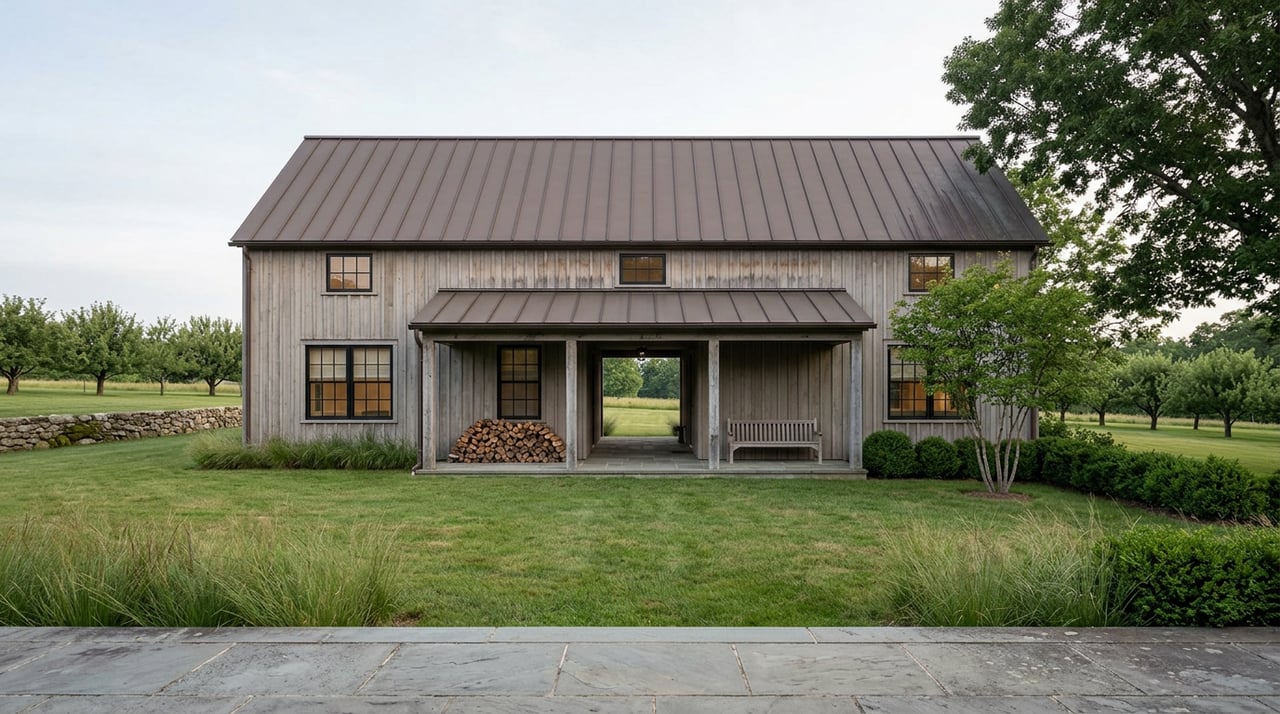
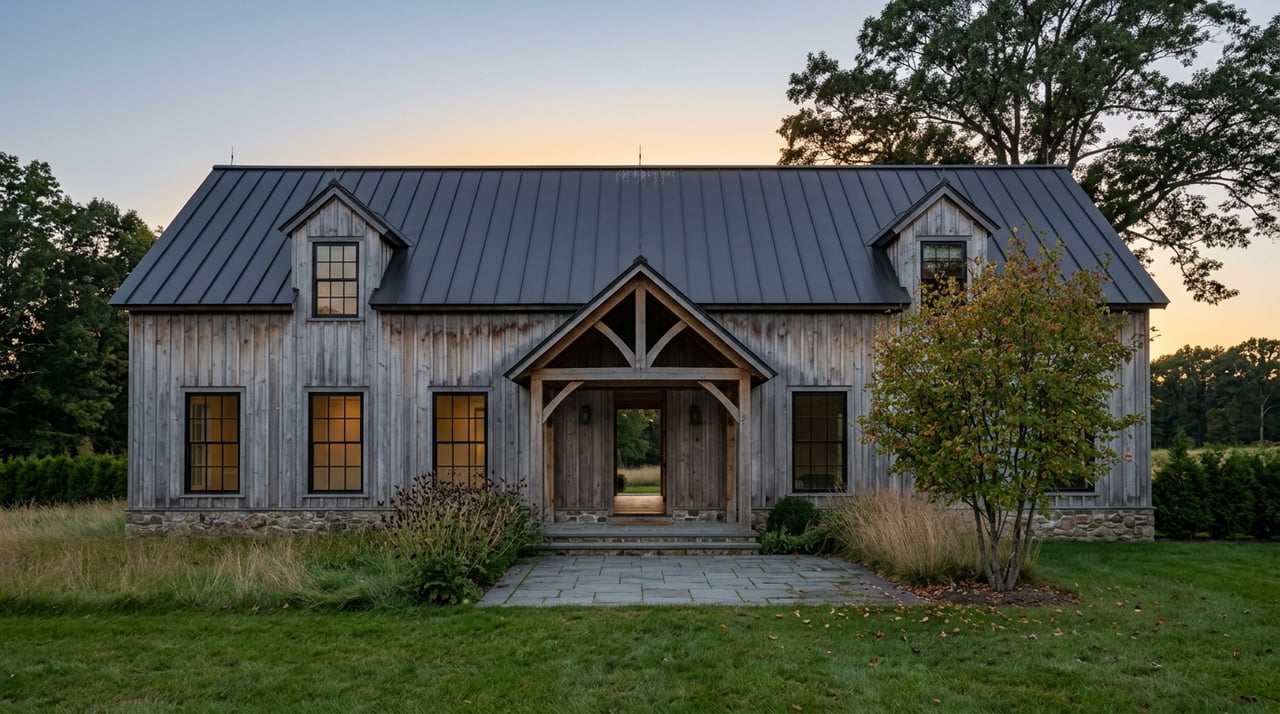
You will find small and large acreage, historic homes and barns, working farms, woodland lots, and newer country subdivisions. Many properties feature outbuildings like barns and sheds. Private wells and septic systems are common outside village centers.
Land use is set at the town level. Rural and agricultural zoning, accessory-structure rules, and setbacks are typical. In some towns, steep-slope and ridgeline protections, watershed protections near reservoirs, agricultural districts, and conservation easements may shape what you can build and where. Always check with the town clerk or land-use office for permitted uses, setbacks, special permits, and any historic district requirements.
Parts of Ulster County include flood-prone areas along tributaries like the Esopus and Rondout Creeks. FEMA flood maps help you evaluate risk and insurance needs. Wetlands and regulated streams can limit development and may require permits through state or local agencies. Steep slopes, bedrock, and shallow soils can affect septic and well design. Near reservoir watersheds, you may face added rules that influence septic systems and water supply.
Private right-of-way access and shared driveways are common in the country. Confirm deeded access and maintenance agreements. Conservation or agricultural easements can restrict subdivision, new structures, or certain commercial uses. In some cases, timber or mineral rights may be separately owned. Ask for complete disclosure and review title carefully.
Most rural homes rely on a private well and a subsurface septic system. You should test well water for bacteria and other contaminants, confirm depth and yield, and review pump and treatment equipment. For septic, request an inspection, pump-out history, and any county health department records. If you plan changes, a perc test and permits may be required.
Heating sources often include oil, propane, and electric heat pumps. Natural gas is limited in many rural areas. Plan for fuel deliveries and tank maintenance. Heat pump systems are increasingly common but may require an upfront retrofit.
Electric service is provided by regional utilities. Storms can cause outages, and restoration times vary by location. Broadband and cellular coverage also vary by hills and valleys. If you work from home, verify providers, real upload and download speeds, latency, and mobile coverage for your specific address.
Towns maintain most public roads, but long private driveways are your responsibility. Budget for plowing, sanding, and any shared-driveway agreements. Expect icy grades and mud season in certain areas. A reliable vehicle, good tires, and clear access for delivery and emergency vehicles are important.
Emergency response often includes volunteer fire companies and volunteer or paid EMS squads. Response times vary with remoteness. Identify your nearest hospital, urgent care, and clinics as part of your move-in planning.
Multiple school districts serve Ulster County. Availability of childcare and certain services can be more limited in rural towns than in urban centers. If schools or childcare are important to you, confirm options in your target area.
Trash and recycling may be handled by your town or a private hauler. Large-item pickup and special recycling vary by municipality, so check local options before you move in.
Ulster County is a hub for hiking, rock climbing, and four-season exploration. The Shawangunk Ridge, Mohonk Preserve, Minnewaska State Park Preserve, and parts of the Catskill Park offer expansive trail networks, climbing zones, and winter snowshoeing or cross-country skiing. The Hudson River and local creeks are popular for paddling. Reservoirs like the Ashokan add scenic value and select recreation areas, with watershed rules that protect water quality.
You will find a strong local-food culture with farms, orchards, CSA programs, farmstands, and farmers markets. Cideries, small wineries, creameries, and other artisanal producers reflect the region’s agricultural roots.
Ulster County’s arts and music scene is well known. Galleries, small venues, studios, libraries, and historical societies host events year-round. Community volunteerism supports local services, land trusts, and civic groups, which adds to the area’s close-knit feel.
Use this checklist to organize your inspections and records. Confirm items with the town, county, and state agencies as needed.
Conventional and government-backed mortgages are common. USDA Rural Development loans may be available in eligible areas and to qualifying buyers. Appraisals for rural acreage can vary when comparable sales are limited, and appraisers may weigh land use, topography, and access.
Property taxes include county, town, and school district taxes, and rates vary by town and district. New York homeowner exemptions, such as STAR, may apply. For insurance, distance from fire hydrants and reliance on volunteer fire departments can affect availability and cost. If your property is in a mapped flood zone, flood insurance may be required by your lender.
Some buyers commute by driving to regional rail or bus nodes, while others work remotely. If commuting matters to you, check current schedules and drive times from your specific location. For remote work, confirm broadband providers, actual speeds, data caps, and mobile coverage. Ask neighbors about reliability during storms and peak times.
A strong presentation helps buyers feel confident about rural systems and access.
Spring and summer bring hiking, paddling, and farmers markets. Fall delivers foliage, harvest events, and crisp trail days. Winter is quiet beauty with snow sports when conditions allow. Plan ahead for fuel deliveries, driveway maintenance, and storm readiness so you can enjoy each season with ease.
These organizations can confirm rules, permits, and services for a specific property:
If you are weighing privacy, land, and outdoor access against practical rural systems and logistics, you are asking the right questions. With experienced guidance, country living in Ulster County can be both inspiring and well planned. For a seamless city-to-country transition and a white-glove process from search to close, reach out to the Gladstone Karadus Team.

Gladstone Karadus Team is dedicated to helping you find your dream home and assisting with any selling needs you may have. Contact them today for a free consultation for buying, selling, renting or investing in New York.

220 W 19TH ST FL 5 NEW YORK NY 10011