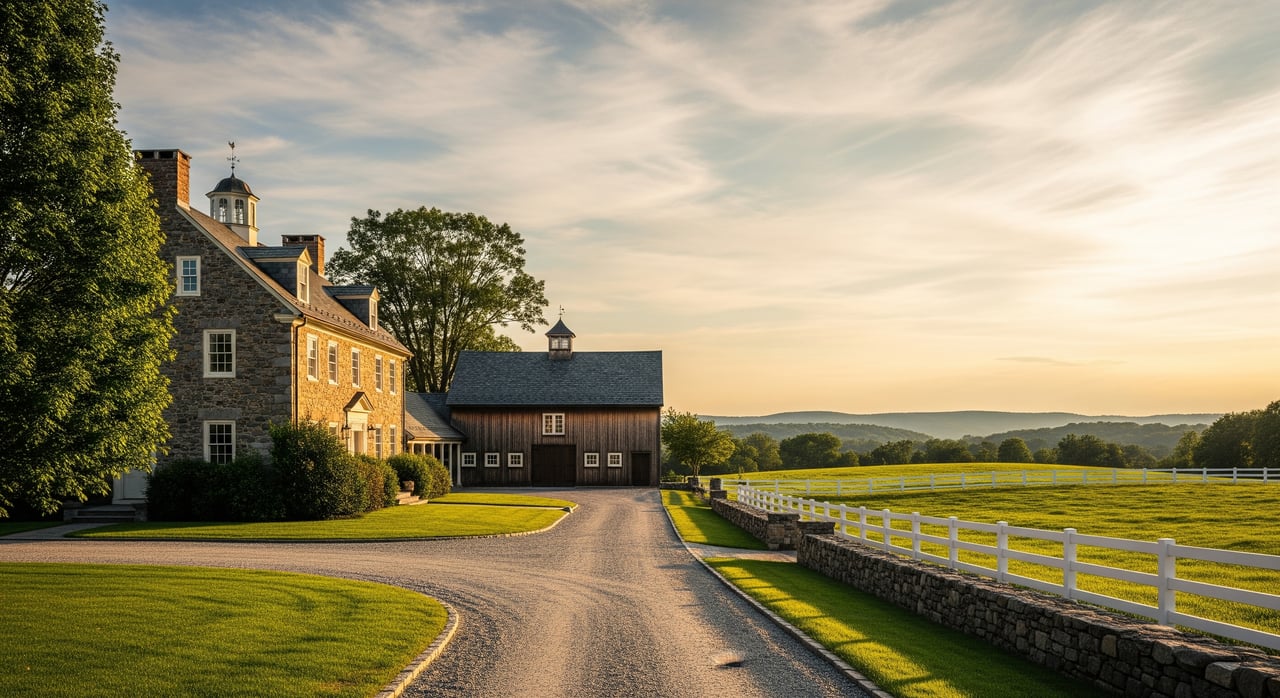
Where To Buy In Columbia County: Estates, Farms, Villages
Wondering where to plant roots in Columbia County? With grand country estates, productive farms, and vibrant village homes, you have three distinct paths that fit very different lifestyles. You might be weighing privacy against walkability, or land potential against weekend maintenance. This guide breaks down each option so you can match your goals, budget, and daily rhythms to the right setting. Let’s dive in.
You can approach Columbia County by lifestyle first. If you want space, history, and views, look to estates on larger parcels. If working land, equestrian use, or agritourism appeals to you, farms offer clear purpose and potential tax advantages. If you crave a café, galleries, and an easy commute, village life can deliver convenience and strong resale.
Your commute and daily routines matter. Amtrak serves Hudson, while many residents drive to Metro‑North stations in Wassaic, Poughkeepsie, or Beacon. Typical driving times to Manhattan range from about 1.5 to 3 hours depending on your exact location and traffic. Keep these patterns in mind as you compare submarkets.
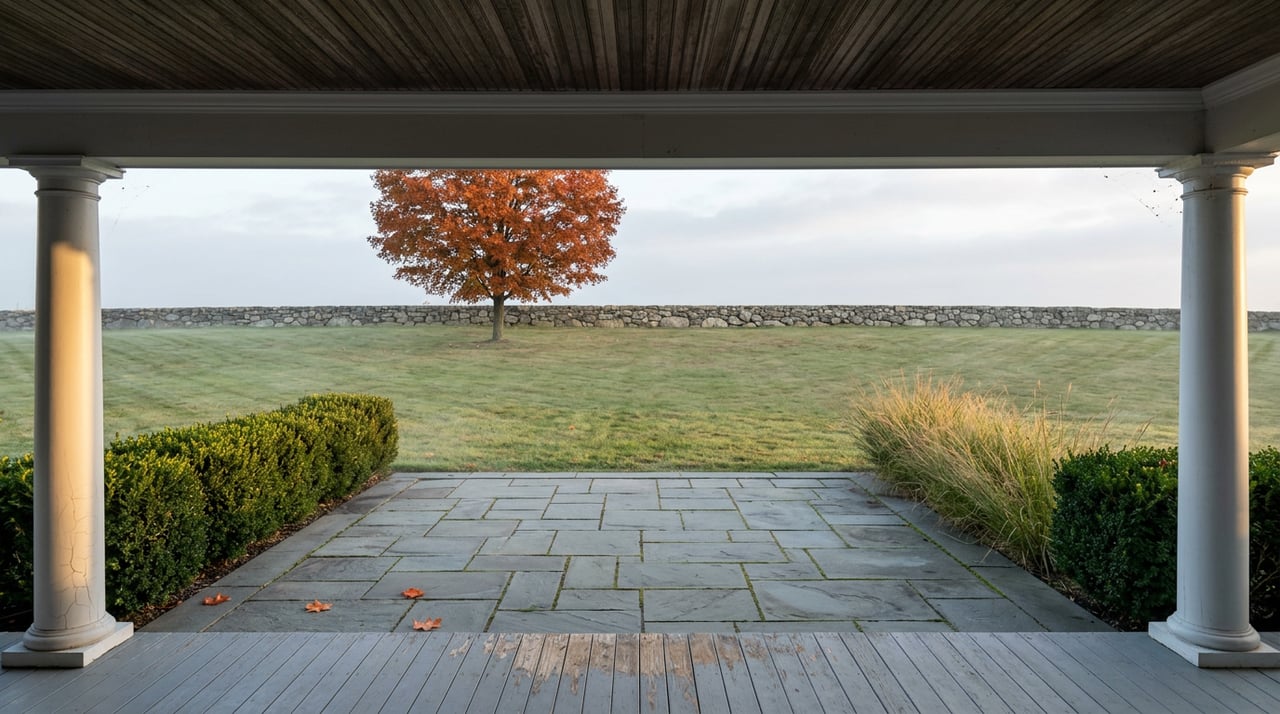
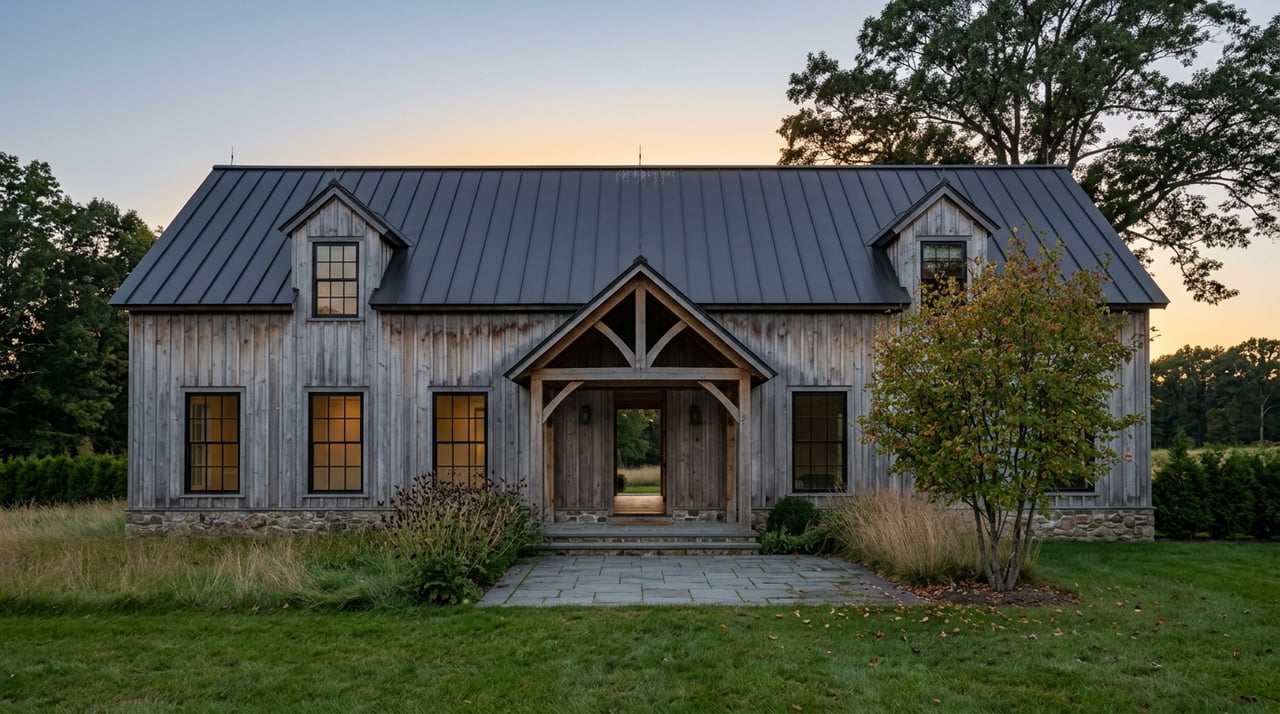
Country estates in Columbia County often pair historic architecture with acreage and sweeping landscapes. These properties attract buyers who value privacy, room for guests, and a distinctive sense of place.
You will find estate properties and larger historic homes in and around Hudson, Kinderhook, and Valatie, along with more secluded holdings in Hillsdale, Copake, and Ancram. Some river‑adjacent areas and sites near cultural landmarks can include historic districts or view protections.
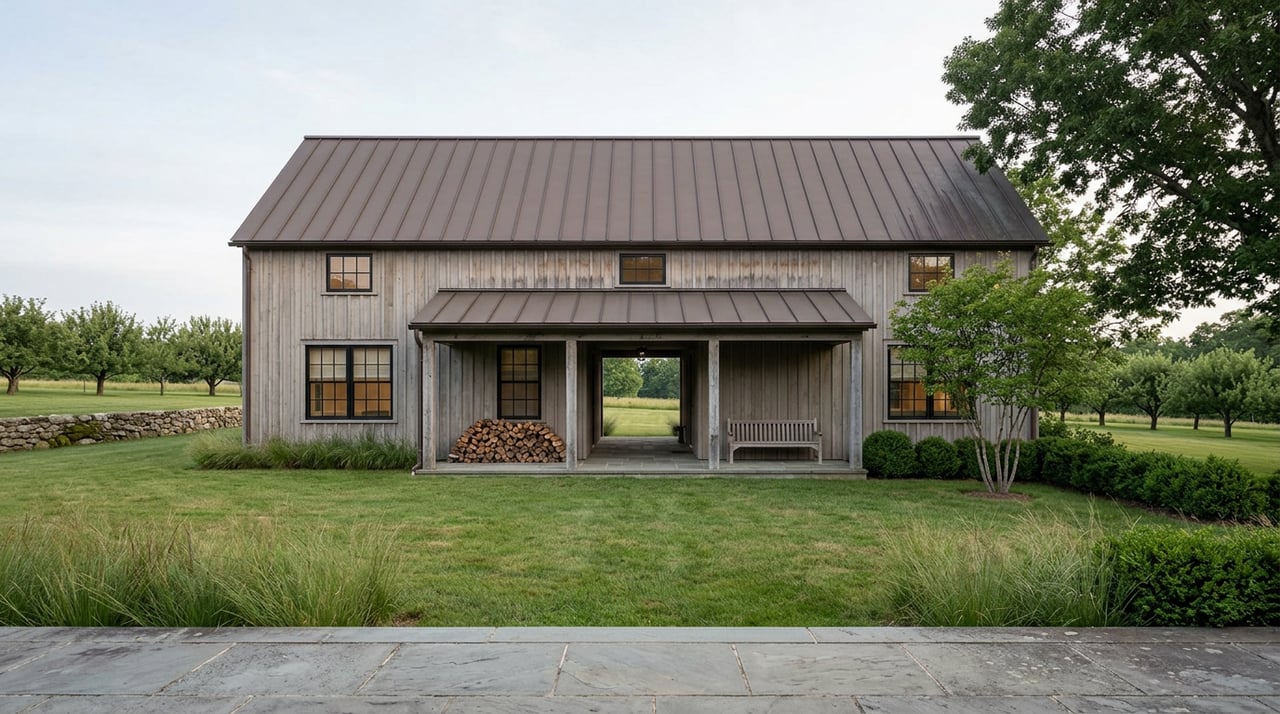
If you want land that works as hard as you do, Columbia County’s farms are compelling. Buyers range from equestrian owners and hobby growers to established farmers and agritourism investors.
Look to Ghent, Claverack, Chatham, Copake, and Ancram for a mix of crop, pasture, and equestrian properties. Parcels vary widely, so take time to match acreage, soils, and infrastructure to your plan.
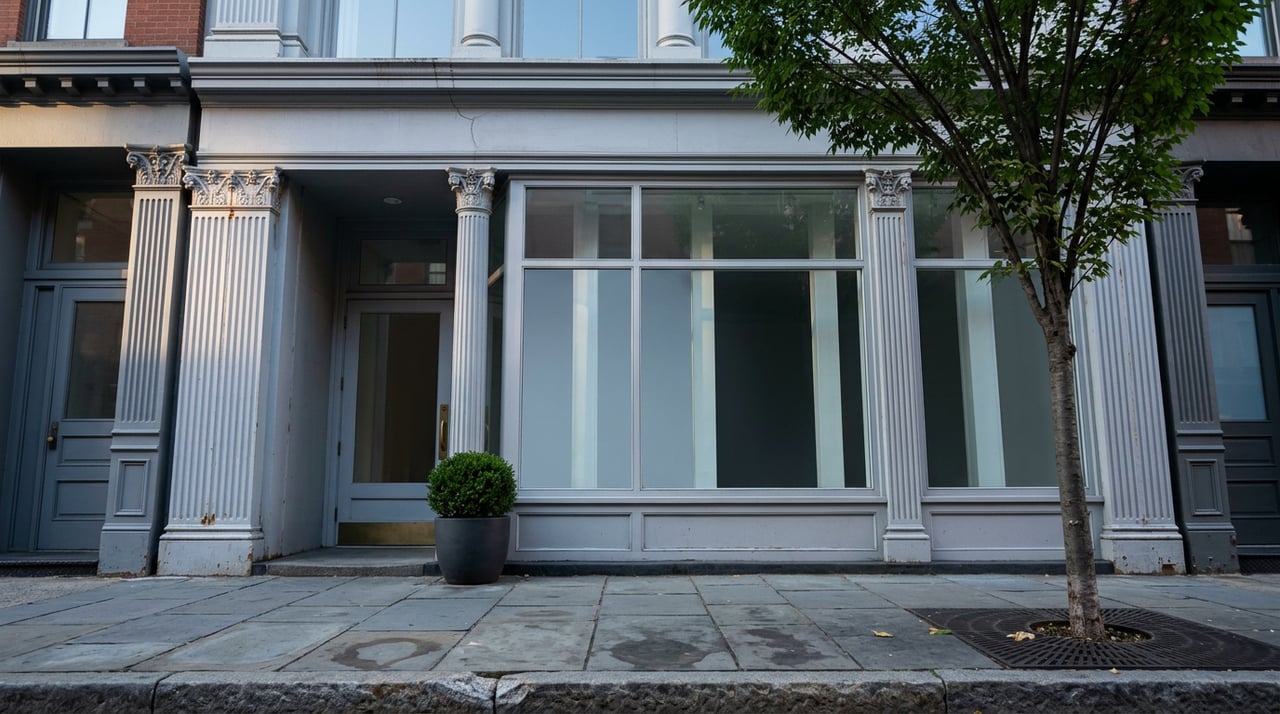
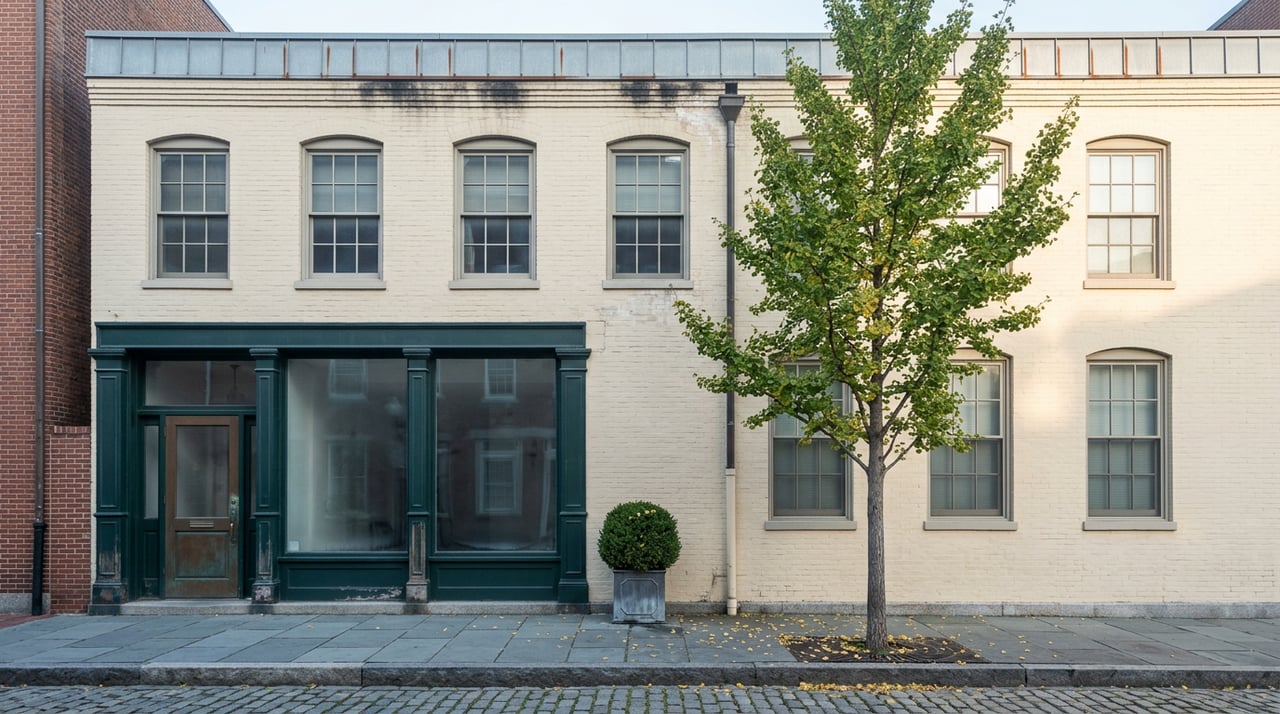
If you prefer a car‑light life with dining, arts, and services nearby, village homes make daily living simpler and can offer strong resale in the most desirable cores.
Hudson is the largest hub with arts, antiques, dining, and Amtrak access. Chatham offers small‑town charm and good amenities. Kinderhook is known for its historic village character, with nearby Valatie, Claverack, Philmont, Stockport, and Athens providing smaller centers and local services.
Columbia County sits just north of Dutchess County and within reach of both the Berkshires and Taconic or Catskill recreation areas. Amtrak’s Empire Service stops in Hudson for travel to New York City and Albany. Many commuters drive to Metro‑North’s Hudson Line in Wassaic, or to Poughkeepsie or Beacon for more frequent service. Depending on your town, typical drives to Manhattan range from roughly 1.5 to 3 hours.
When you evaluate a home, map out daily drives to schools, groceries, and medical services. In winter, consider snow removal on private roads and driveways. For frequent city trips, living closer to Hudson or a main road can save you time.
Smart buyers look beyond the house to the rules and costs that shape long‑term ownership.
Property taxes vary by town and school district, and the differences can be meaningful. Review current tax bills and confirm any exemptions. If you plan to farm, ask about New York’s agricultural assessment programs, which can lower your tax burden if you meet eligibility requirements.
Each town has its own zoning code. Confirm permitted uses, accessory structures, and the number of dwelling units allowed. In historic districts, exterior alterations may need review. For new work, check with the town building department and county health department for permits related to wells and septic systems.
Before you commit, understand floodplain status, wetland boundaries, and any conservation easements. Flood zones can affect insurance and renovation plans. Easements can preserve views and open space while limiting subdivision or certain activities.
Use this quick list to keep your search efficient and safe.
Buyers often look across county lines. Columbia County frequently offers lower pricing than parts of Dutchess and Putnam for similar property types, though results vary by town and setting. Within Columbia County, village cores like Hudson and Chatham tend to see faster turnover and higher prices, while deeper rural areas can have thinner inventory and longer marketing periods. Your budget can go farther in the countryside, but you may trade off commute time or immediate services.
Inventory for large estates and true working farms is limited, and the best properties can take time to surface. The market is seasonal, with more activity from spring through fall. Plan for patience, get your financing or proof of funds ready, and be prepared to move quickly when the right fit appears.
If you are moving between city and country, consider how your two homes fit together. Align closing dates and logistics, and decide which furnishings, equipment, and vehicles you will need in each place.
Ready to explore estates, farms, or village homes in Columbia County with seasoned guidance across both the Hudson Valley and Manhattan? Reach out to the Gladstone Karadus Team to Schedule a Private Consultation.
Gladstone Karadus Team is dedicated to helping you find your dream home and assisting with any selling needs you may have. Contact them today for a free consultation for buying, selling, renting or investing in New York.

220 W 19TH ST FL 5 NEW YORK NY 10011