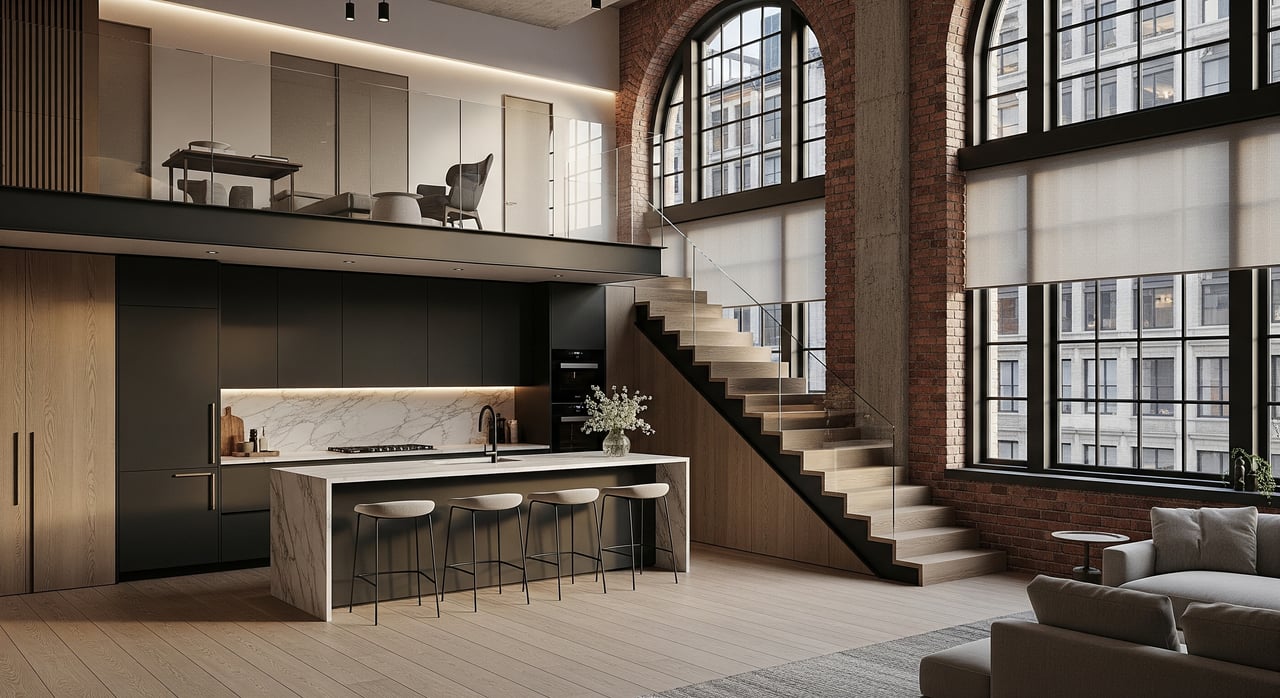
Designing The Ideal SoHo Loft: Smart Renovation Ideas
Picture your ideal SoHo loft: sun pouring through grand steel windows, soaring ceilings, rich brick and cast iron, and a layout that feels effortless yet works hard. Renovating in SoHo can deliver exactly that, but historic fabric and NYC approvals add moving parts. In this guide, you’ll learn how to preserve what makes your loft special while adding modern comfort, the approvals you need to plan for, and smart design moves that resonate with buyers. Let’s dive in.
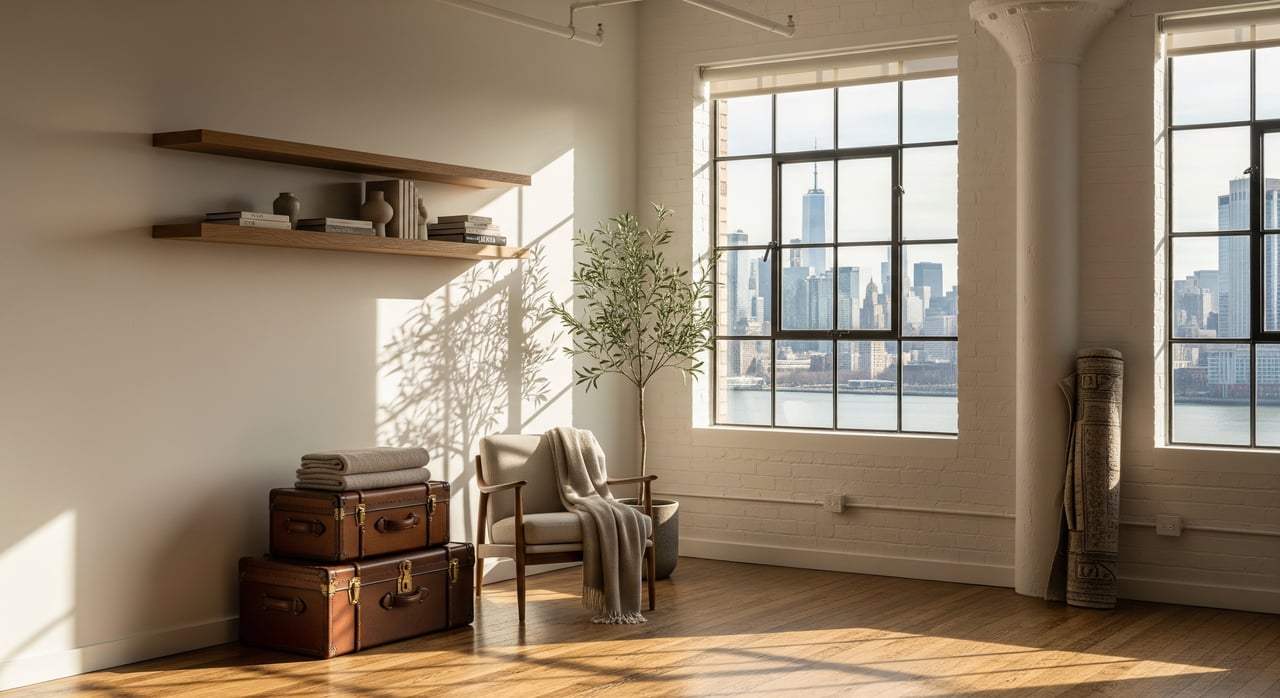
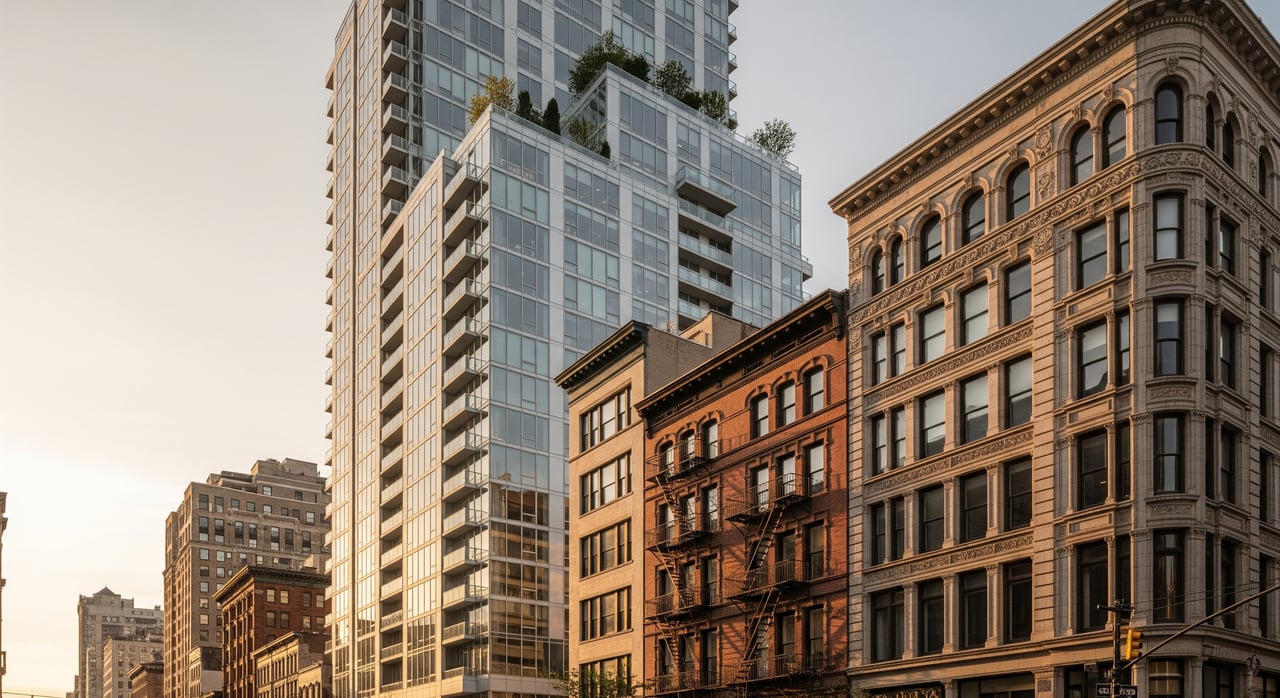
SoHo’s cast‑iron buildings and former industrial floors give you tall ceilings, big windows, and wide‑open rooms. Original columns, beams, brick, and timber or concrete floors are part of the appeal and often guide design choices. Many buildings sit within the SoHo–Cast Iron Historic District, so exterior changes typically need Landmarks Preservation Commission review. These factors shape everything from window upgrades to how you plan kitchens, baths, and mezzanines.
Structural work, new openings, and mezzanines require permits and a structural engineer’s review. Mechanical, electrical, and plumbing work must be filed by licensed trades. Changes to egress or adding HVAC can trigger broader code compliance, including life‑safety upgrades.
Exterior alterations almost always require Landmarks approval, including window replacements, masonry repairs, and storefront or cornice work. Interior work is usually outside their scope unless it affects the exterior appearance. Expect to provide drawings, materials, and a timeline for review.
Most co‑ops and condos require an alteration agreement, contractor and insurance documentation, and management approval before work begins. Boards can set work hours, elevator rules, and protection standards for common areas. Submit architectural drawings and permit copies early to streamline reviews.
Some SoHo residences originated as commercial lofts and fall under the NYC Loft Board framework. Legal status and any ongoing legalization requirements can affect what you change and how you file. Confirm the unit’s status before planning major work.
Historic party walls, vibration, and dust control require careful coordination. If you add a mezzanine or alter layout, verify that egress remains compliant and consider whether sprinklers or additional life‑safety measures are required.
Highlight original materials that buyers love. Clean and seal brick, refinish timber or concrete floors, and recondition cast‑iron columns and beams. Maintain large window openings and, where appropriate, use sensitive retrofit glazing that respects historic profiles.
Keep the open feel while creating zones for living, dining, and work. Use rugs, lighting, and partial‑height or glass partitions to define areas without blocking light. If ceiling height allows, consider a mezzanine or lofted platform for sleeping or storage, paired with built‑ins below to maximize function. Always check structural loads and egress with a design professional.
An open kitchen can anchor the entire loft. Choose a visually light island, integrated appliances, and durable, easy‑care surfaces. Plan for ventilation early. Depending on building rules and code, you may need ducted exhaust to a legal termination point or a compliant recirculating solution.
Bathrooms punch above their square footage in buyer appeal. Consider a walk‑in shower or wet‑room layout, floor‑to‑ceiling tile, and high‑quality fixtures. Smart plumbing planning and reliable waterproofing save headaches later.
Where Landmarks permits and building rules allow, upgrade to sound‑attenuating, energy‑efficient glazing that maintains slim sightlines. Interior glass walls, clerestories, and light‑borrowing strategies keep natural light flowing deep into the plan. On select top floors, skylights can be transformative, subject to approvals.
Ductless heat pumps provide efficient heating and cooling with minimal ductwork. If allowed, in‑unit laundry requires careful plumbing and venting coordination. Energy‑savvy choices like LED lighting, efficient appliances, low‑flow fixtures, and targeted insulation reduce operating costs and add marketability.
Use acoustic insulation, resilient channels, and double drywall at shared walls and ceilings to reduce sound transfer. Install floor underlayment beneath hardwood to limit impact noise to neighbors below. Solid‑core doors and well‑sealed frames provide quiet separation where you need it.
Combine ambient track or recessed lighting with task and accent layers to make high ceilings feel intimate. Choose durable materials such as sealed hardwood or polished concrete floors and quartz or stone counters. A neutral palette with metal, glass, and reclaimed elements keeps the loft’s character front and center.
Integrate smart thermostats, lighting controls, shades, and security as part of the build. Run conduit and structured cabling to central hubs now, so you can adapt easily later without invasive work.
Do not compromise egress when adding lofted platforms or rooms. Confirm occupancy limits and consider sprinklers or enhanced detection if your scope or code triggers require them.
Assemble the right team at the start. Most projects benefit from an architect or interior designer, a structural engineer for any structural changes, MEP engineers for significant systems work, a licensed contractor, and an expeditor for filings. For landmarked buildings, a preservation consultant can help with materials and review.
Build realistic timing into your plan. Cosmetic refreshes can move quickly. Kitchen, bath, and selective structural work often take a few months from design through inspections. Larger reconfigurations with MEP upgrades and Landmarks review can extend into a year or more. Permits and inspections are part of the schedule, so plan accordingly.
Expect Manhattan‑level costs and set a contingency. Labor, logistics, and historic conditions create variability. Obtain multiple bids from teams experienced with cast‑iron buildings, and carry a contingency for unforeseen conditions like structural surprises or environmental remediation.
In SoHo, authenticity paired with modern convenience is what sells. Preserve brick, beams, columns, and volume. Invest in a clean, well‑planned kitchen, attractive baths, reliable HVAC, and thoughtful storage. Avoid over‑customization that narrows appeal. Aim for a flexible layout that showcases light and height while accommodating different lifestyles.
Designing the ideal SoHo loft is equal parts preservation and performance. When you align your approvals, assemble the right team, and choose high‑impact upgrades, you protect the building’s heritage and your long‑term value. If you want a confidential, soup‑to‑nuts plan tailored to your unit, connect with the Gladstone Karadus Team for a private consultation.

Gladstone Karadus Team is dedicated to helping you find your dream home and assisting with any selling needs you may have. Contact them today for a free consultation for buying, selling, renting or investing in New York.

220 W 19TH ST FL 5 NEW YORK NY 10011