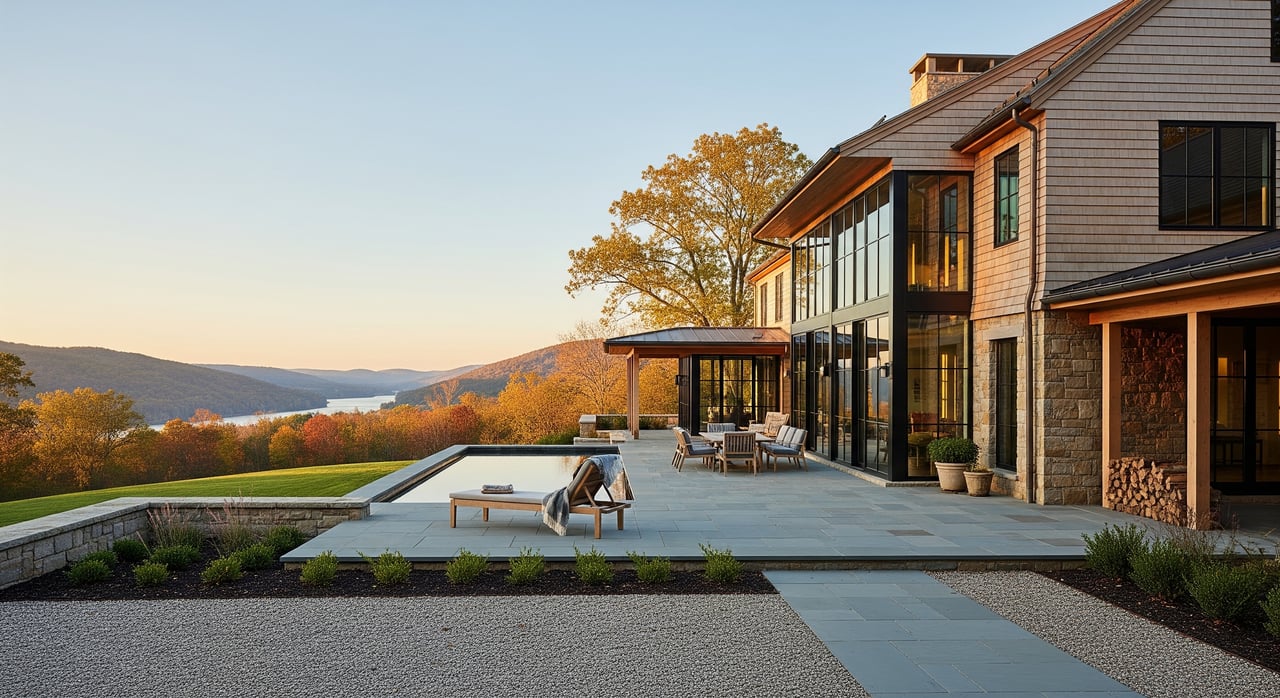
Dutchess County Weekend Home Or Full Move?
Thinking about more space, fresh air, and a slower pace without losing your New York City ties? If Dutchess County is on your radar, you are likely weighing a weekend retreat against a full-time move. Each path offers meaningful benefits, along with real tradeoffs in commute, costs, maintenance, and community life. In this guide, you will get a clear, practical framework to choose the right fit for your lifestyle.
Let’s dive in.
Dutchess County sits along the east bank of the Hudson River, just north of Westchester and adjacent to Putnam County. Towns like Beacon, Rhinebeck, Poughkeepsie, Hyde Park, and Millbrook offer very different settings, from walkable river towns to quiet rural roads. You will find condos in village centers, classic suburban neighborhoods, and larger estate or farm properties with land.
Commuting shapes many decisions. Depending on where you live and when you travel, a one-way trip to Manhattan can range from about 1 hour with well-timed rail service to 2 or more hours in peak periods. Many buyers choose to live near Metro-North stations for express train access and to reduce drive time. If you plan to commute often, it is smart to test the trip from specific stations and check parking rules.
A weekend or seasonal home gives you a country reset without uprooting daily life in the city. Many owners visit on Fridays through Sundays, holidays, and summer weeks. Your routine will center on food shopping, outdoor time, restaurants, and cultural spots like galleries and farmers’ markets.
For weekenders, smaller cottages, renovated barns, village condos, and rural cabins are common picks. Proximity to a train station or a lively village can make short visits easier. If you want maximum privacy and land, rural options can be ideal, but you will drive more for services.
A second home needs a plan for seasonal care and security. Many owners set up a property manager or house checker, along with vendors for snow plowing, landscaping, and HVAC tune-ups. If a home is not heated in winter, water lines may need to be shut off and drained to prevent freeze damage. You will also want a plan for deliveries, trash, and storm checks when you are away.
Living in Dutchess full time means you engage with local shops, services, and routines every day. You will handle year-round home systems, explore nearby parks and riverfronts on weekdays, and build steady ties with neighbors and community groups. If you commute to Manhattan, hybrid work can make this shift more comfortable.
Full-time residents line up trusted local providers for plumbing, HVAC, snow removal, and landscaping. You will likely shop for groceries and essentials locally and get familiar with town services like road clearing and recycling. Homes set up for year-round comfort often have reliable insulation, heating, and easy access for fuel delivery if needed.
Families consider school district boundaries and enrollment processes as a key part of the search. Dutchess County offers a range of districts, so review neutral state report cards and confirm rules for each district. For healthcare, you will find hospital care at Vassar Brothers Medical Center in Poughkeepsie along with local clinics and urgent care providers across the county.
You can also stage your move. Some buyers start with a weekend home and shift to full-time living as work schedules and school timelines allow. Others rent in Dutchess for several months to test commute patterns, seasonal conditions, and everyday routines before buying. This approach can lower risk and give you real-world clarity.
Commuting is often the decisive factor for Manhattan-based buyers. Plan to test different times and routes during a typical workweek.
Metro-North’s Hudson Line serves popular Dutchess stations like Beacon and Poughkeepsie. Express patterns and off-peak schedules vary. Check frequency and transfer needs for your typical arrival time, then try at least two full round trips.
Drive times depend on the Taconic State Parkway, I-87, and local routes. Congestion, weather, and incidents can add significant time during peak periods. If you plan to drive daily, track door-to-door time and fuel costs over a few days to get a realistic baseline.
Station parking can be competitive and may require permits. Investigate waitlists and daily parking availability, and budget for monthly rail passes or tickets. If your commute is hybrid, model costs for both rail and car.
Every home carries recurring costs. Factor these into both weekend and full-time scenarios so you can compare total outlay.
Property taxes vary by town, village, school district, and special districts like fire and water. Two similar homes can have very different tax bills. Review recent bills for comparable homes and confirm any local fees or assessment timelines.
Heating sources range from heating oil and propane to wood and, in select pockets, natural gas. Heat pump systems are growing in use. For rural properties, many rely on private wells and septic systems, which require inspections, periodic maintenance, and potential replacement planning.
Insurance premiums may differ for a primary home versus a seasonal home. Some policies include vacancy clauses that limit coverage if a house is unoccupied for long periods. Riverfront and low-lying areas can fall within FEMA flood zones, which may require flood insurance and influence purchase decisions.
If you plan to offset costs with short-term rental income, check the municipal code for that town or village. Rules vary by community and can include registration, restrictions, or taxes. Confirm what is allowed before making plans.
If you are considering properties outside village centers, be ready to evaluate country systems.
The right answer often comes down to a few core levers.
Use this focused plan to test your choice with real data and low risk.
Whether you choose a weekend sanctuary, a full-time move, or a phased transition, you deserve clear advice across both markets. Our bi-regional team advises you on Manhattan sale or retention strategies, Dutchess County search and vetting, and the practical steps that make the shift smooth and rewarding. For a discreet plan tailored to your goals, connect with the Gladstone Karadus Team.

Gladstone Karadus Team is dedicated to helping you find your dream home and assisting with any selling needs you may have. Contact them today for a free consultation for buying, selling, renting or investing in New York.

220 W 19TH ST FL 5 NEW YORK NY 10011