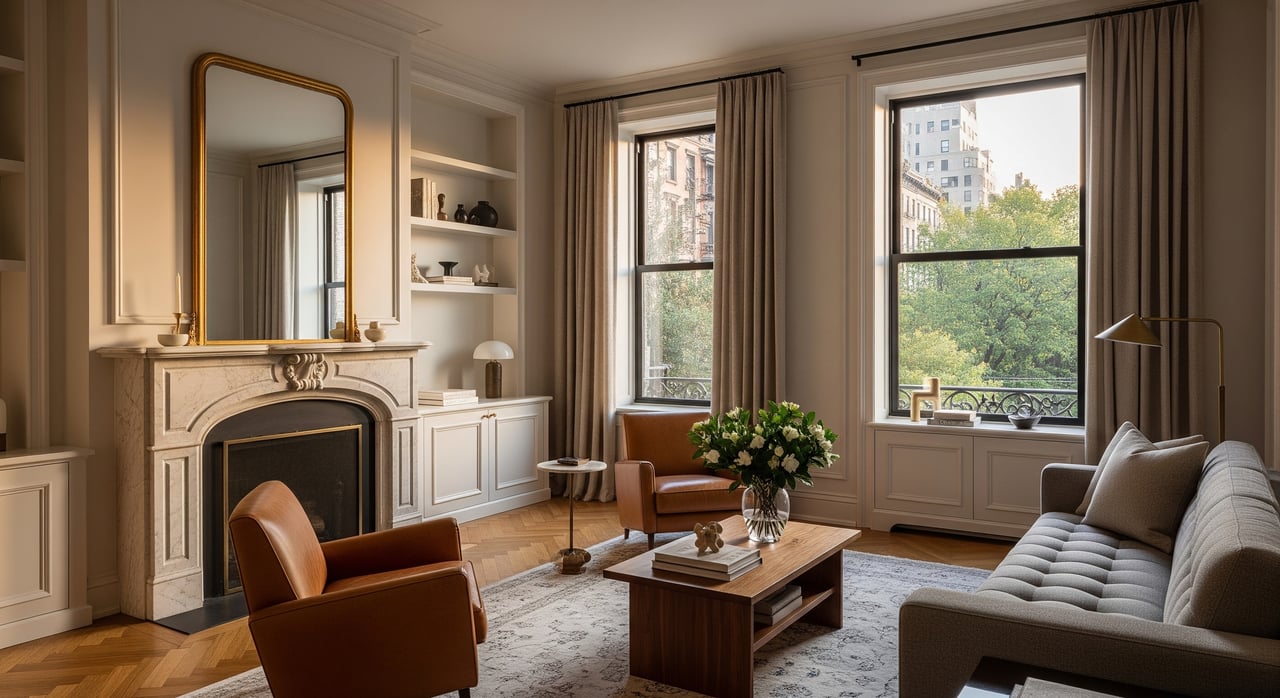
Preparing An Upper East Side Home For A Standout Sale
Thinking about selling your Upper East Side home and want it to shine from day one? You know first impressions matter, especially in a neighborhood where buyers expect quiet elegance and thoughtful detail. With the right plan, you can showcase light, space, and lifestyle while managing co-op or condo logistics with confidence. This guide gives you a clear step-by-step approach, plus smart staging and timing tips tailored to the UES. Let’s dive in.
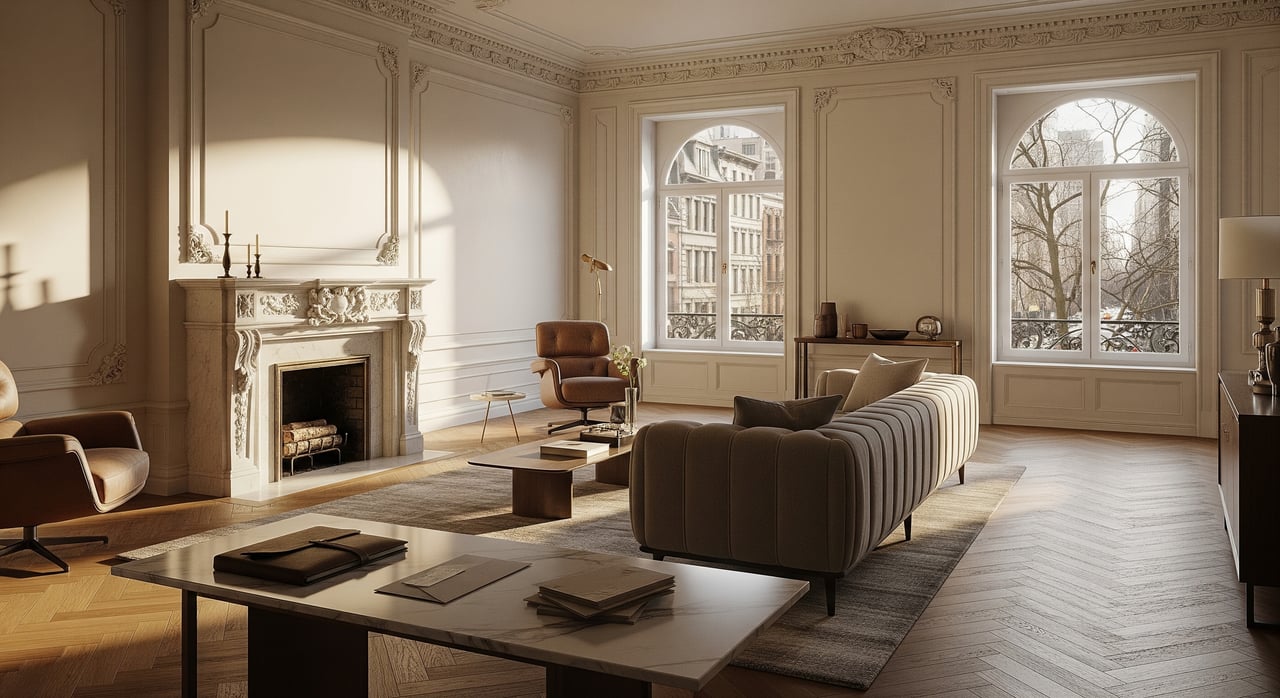
Buyers on the Upper East Side respond to homes that feel turnkey and refined. They look for natural light, well-scaled rooms, high ceilings, and clean architectural details. Renovated kitchens and baths, well-organized storage, and in-unit systems also stand out.
Location and lifestyle matter. Proximity to Central Park, museums, shopping, and transit can be a major value driver. If your apartment offers services like a doorman, concierge, on-site garage, or fitness facilities, highlight these clearly.
Seasonality can impact your launch. Spring and fall often see concentrated activity for Manhattan luxury listings. If you are setting a go-live date, give yourself time to stage, photograph, and prepare documents so you hit the market at full strength.
Co-ops and condos sell differently, and buyers know it. Co-ops require a thorough board package and an interview, so start gathering documents early. Condos typically have fewer approval steps but will still require offering plan materials and building documents.
Be upfront about building policies that affect value or timing. Flip taxes, assessments, and sublet rules should be disclosed so buyers can factor them into their decisions. Work with an attorney who is experienced in NYC co-op and condo transactions so your process stays on track.
Coordinate building logistics before you stage or shoot photos. Reserve elevator time, share insurance certificates for movers and stagers, and confirm rules for signage and open houses. If privacy is a priority, plan for private showings and discuss photo restrictions with your agent.
Staging on the UES is about clarity, scale, and calm. You want buyers to move through the home with ease and understand how each room lives day to day. Keep the focus on your best features.
Reduce furniture to the essentials so circulation is clear. Remove personal items and family photos, and keep accessories minimal but styled. For significant art or book collections, a curated approach reads as thoughtful and elevated.
Hang art so the center sits at eye level, and scale larger pieces to anchor wider walls. Use groupings where a single piece feels too small. Fresh, neutral paint lets art and architectural details stand out without distraction.
Arrange living, dining, and kitchen areas to show natural progression from entry to entertaining spaces. Define zones in larger rooms with rugs and seating groups. Stage closets with coordinated hangers and neatly folded linens so storage feels generous.
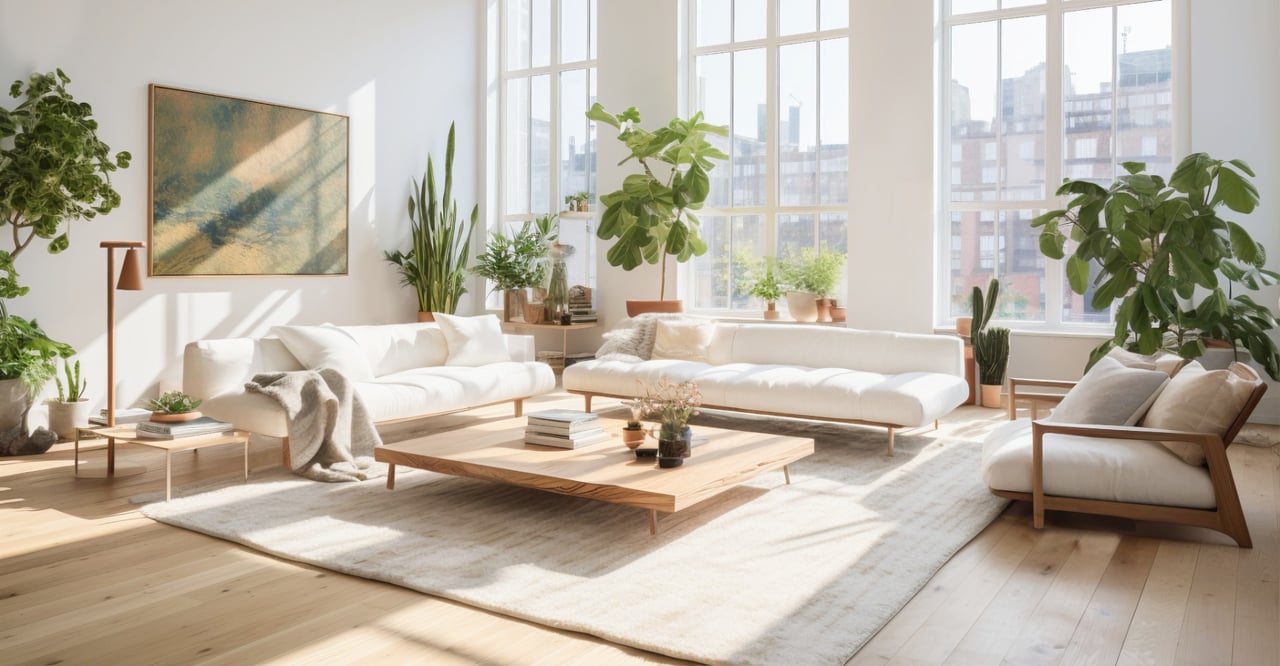
Maximize natural light by pulling back heavy drapes and keeping windows spotless. Add layered lighting with warm bulbs and dimmers to create inviting scenes. Use high-quality bedding and towels, fresh greenery, and a neutral scent for showings.
Your photos and floor plan are often the first showing. Hire a photographer who knows Manhattan luxury homes and how to capture exposures, ceiling height, and views. Maintain staging between the shoot and showings so buyers see what they expect.
Provide an accurate, legible floor plan. Consider a 3D tour for remote and international buyers so they can experience scale and layout. If you use virtual staging, disclose it clearly and avoid altering finishes or room proportions.
Drone imagery is rarely necessary for UES interiors and is subject to strict rules in NYC. If you consider it, only proceed with a licensed operator and proper clearances.
Small improvements often deliver the biggest lift in perceived value. Focus on what buyers see and touch first.
Address peeling paint, chipped tile, squeaky hinges, and water stains. Replace missing or mismatched bulbs. Small defects can make a well-cared-for home feel tired.
Update cabinet hardware, faucets, and lighting. Regrout or refresh caulk for a crisp look. If appliances are visibly dated, consider replacing or ensuring all visible finishes match.
Refinish or deep-clean hardwoods if they look worn. A consistent, neutral paint palette creates cohesion and makes rooms feel larger. Keep color accents to art and accessories.
Install simple closet systems to optimize space. Show organized shelving in pantries and linen closets. Buyers appreciate clear, usable storage.
Decide with your agent whether a full renovation makes sense for your price tier and buyer pool. In many cases, light cosmetic updates deliver a faster return than a major project. Buyers who want to personalize may pay for location and layout, then renovate on their own timeline.
A pre-listing inspection can catch issues that derail negotiations. For co-ops, structural items often fall to the building, but unit-level conditions are still your responsibility. Keep receipts and records for any work you complete.
Timing matters for attention and momentum. If you are targeting a spring or fall debut, book professionals early and align your schedule with building rules. Aim to go live only when your photos, floor plan, and copy are perfect.
Choose a showing approach that fits your building and buyer. Curated private appointments can be effective for qualified prospects and protect privacy. Open houses can still bring broker traffic if coordinated with building policies.
Use this simple framework and adapt it to your building’s requirements.
You deserve a seamless, white-glove process tailored to the Upper East Side. The Gladstone Karadus Team brings deep experience in co-op and condo sales, refined staging and photography, and hands-on board package management. We combine institutional marketing reach with boutique execution so your home is presented at its best from the first click to the final signature.
If you’re considering selling, we’ll create a bespoke plan that highlights your home’s light, scale, and lifestyle value while navigating building logistics with care and discretion. Schedule a conversation with the Gladstone Karadus Team to get started.
Gladstone Karadus Team is dedicated to helping you find your dream home and assisting with any selling needs you may have. Contact them today for a free consultation for buying, selling, renting or investing in New York.
220 W 19TH ST FL 5 NEW YORK NY 10011