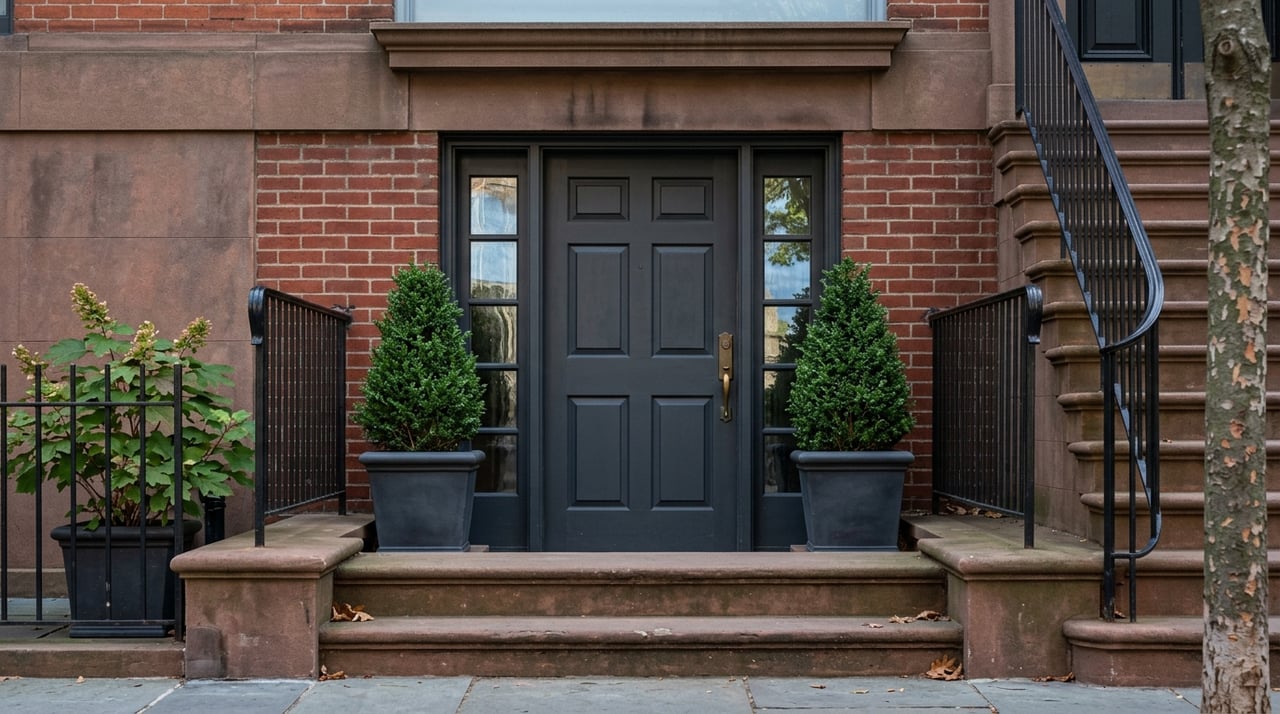
From Brooklyn Brownstone To Hudson Valley Farmhouse
Thinking about trading a Brooklyn brownstone for a Hudson Valley farmhouse? It sounds romantic, but the real challenge is usually not the dream itself. It is the timing. When you are selling in Brooklyn and buying upstate at the same time, cash flow, financing, tax deadlines, and closing dates all need to line up. This guide will help you understand how to plan the move, compare county options, and handle key farmhouse due diligence with more confidence. Let’s dive in.
A city-to-country move often succeeds or fails on the calendar. You are not just buying one home or selling one home. You are coordinating two transactions that affect each other.
That matters because your Brooklyn sale may fund part or all of your Hudson Valley down payment. At the same time, your lender may look at the sale proceeds, your new mortgage, and any short-term financing as one connected risk picture. Planning early can give you more options and fewer last-minute decisions.
For a Brooklyn sale, transfer documents are handled through New York City’s ACRIS system. New York City also applies residential real property transfer tax rules, with a rate of 1% for transfers at $500,000 or less and 1.425% above that threshold. These taxes are usually paid as part of closing costs.
The city also requires the transfer-tax return to be filed promptly. In general, New York City real property transfer-tax returns are due within 30 days after the transfer. That makes organized paperwork especially important when you are trying to close on another property soon after.
On the purchase side, New York State imposes a real estate transfer tax when consideration exceeds $500. For residential purchases at $1 million or more, the additional mansion tax is 1% of the sale price.
For conveyances outside New York City, the state says forms and payment are due no later than the 15th day after deed delivery. If you are moving quickly from one closing to the next, these deadlines are part of the bigger coordination effort.
There is no one-size-fits-all path from Brooklyn to the Hudson Valley. The right approach depends on your equity, your tolerance for overlap, and how much flexibility you need.
A sell-first strategy can reduce the risk of carrying two homes at once. If your Brooklyn sale closes before your Hudson Valley purchase, you may have cleaner access to equity and a clearer budget.
The tradeoff is that you could end up with a housing gap. If the country purchase is not ready in time, you may need temporary housing while you wait for your next closing.
A buy-first approach can work if you have enough equity and cash flow to support it. This can be helpful when you find the right farmhouse before your Brooklyn property is sold.
Still, lenders may apply a stricter lens here. Fannie Mae says bridge or swing loans are acceptable only when the lender documents your ability to carry the new home payment, the current home, the bridge loan, and your other obligations.
A concurrent strategy can be elegant, but it is also the most timing-sensitive. Your Brooklyn sale, Hudson Valley offer, inspections, lender conditions, and tax paperwork all need to move in sync.
This is where early financing conversations matter most. The Consumer Financial Protection Bureau recommends comparing loan choices, talking to multiple lenders, and getting preapproved before you commit to a purchase. In a dual transaction, that advice becomes even more important.
When people picture a move to the Hudson Valley, they often focus on purchase price and down payment. In practice, your real budget needs to go further.
The Consumer Financial Protection Bureau advises buyers to account for more than the mortgage payment alone. Ownership also includes taxes, insurance, utilities, maintenance, and repairs. For a farmhouse or country home, those ongoing costs can become a major part of your decision.
A coordinated move works better when your lender is part of the planning from the beginning. You may be using Brooklyn sale proceeds for your next purchase, or weighing whether short-term financing makes sense.
The Consumer Financial Protection Bureau says buyers can explore loan choices and shop for homes at the same time. It also recommends speaking with multiple lenders and getting preapproved. For a city-to-country move, that early clarity can help you act decisively when the right property appears.
Not every Hudson Valley county fits the same lifestyle or property search. If you are leaving Brooklyn for more land, privacy, or a different pace, the best match depends on how you want to live once you get there.
Dutchess County often appeals to buyers who want country living with relatively easy access back to the city. The county highlights nearly 200 parks and public-use areas and almost 400 miles of trails. It also identifies agriculture as one of its primary industries, with preserved farmland and farm-support policies in place.
For rail-oriented households, Dutchess stands out in this group. The Hudson Line serves Beacon, New Hamburg, and Poughkeepsie, which can be an important factor if you plan to split time between the Hudson Valley and New York City.
Ulster County tends to suit buyers who want a scenic setting with strong public-land access. The county says roughly one-third of its lands and waters are publicly accessible, and it points to destinations like Mohonk Preserve, Minnewaska State Park Preserve, Walkway Over the Hudson State Park, and Kingston Point Beach.
Ulster also offers county transit through UCAT and has updated its agricultural and farmland protection planning to support farm viability and farmland protection. If you want a farmhouse near river towns, trail networks, and preserved open space, Ulster may deserve a close look.
Columbia County often feels especially historic and farm-centered. County materials describe a landscape shaped by family farms, cultural attractions, trails, and village destinations. Public transportation also connects several communities, including Hudson, Greenport, Philmont, Claverack, Germantown, Copake, and Albany.
One important detail is that zoning and building-code enforcement are handled at the municipal level. If you are considering a property in Columbia County, checking the specific town or village rules early is especially important.
Greene County generally fits buyers who prioritize mountains, outdoor recreation, and a retreat-like setting. County materials describe a strong recreation focus, including hiking, biking, boating, bird watching, fishing, skiing, and other seasonal activities.
Greene County Transit provides daily service to several towns and weekly service to Hunter, Tannersville, and Windham. If your goal is a mountain-oriented property or a second-home feel rather than a commuter-first setup, Greene may be a strong fit.
A farmhouse search involves more than style, acreage, and views. Before you close, you need to understand how the property is regulated and what ownership will actually require.
New York’s Agricultural Districts Law protects farmland against certain local restrictions, and counties manage district changes. If the property is in or near active agricultural land, that context can shape what to expect from the surrounding area and how certain local rules apply.
Dutchess and Ulster both publish county-level farmland protection and right-to-farm resources. For buyers considering farm-adjacent homes, these materials can be especially useful during the review process.
In New York, local governments handle zoning and building-code enforcement. That means the county name alone does not tell you enough.
Before moving forward, you will want to understand the town or village code that applies to the property. This matters whether you are evaluating an existing farmhouse, a renovated barn, or a home with outbuildings and land.
Country-home ownership comes with recurring responsibilities. The Consumer Financial Protection Bureau notes that buyers should plan for taxes, insurance, utilities, maintenance, and repair costs in addition to the mortgage.
That is especially relevant if you are moving from a Brooklyn property where services, systems, or lot size may have been very different. A smart purchase is not just about what you can close on. It is about what you will feel comfortable owning over time.
The smoothest Brooklyn-to-Hudson Valley moves are the ones planned as one connected project. Sale timing, lender strategy, tax deadlines, and county fit should all be part of the same conversation.
That is where dual-market guidance can make a real difference. When you understand both the Brooklyn sale process and the practical realities of buying a country property, you can move with more clarity and less stress.
If you are planning your own city-to-country transition, the Gladstone Karadus Team can help you build a thoughtful, well-timed strategy from sale to search to closing.
Gladstone Karadus Team is dedicated to helping you find your dream home and assisting with any selling needs you may have. Contact them today for a free consultation for buying, selling, renting or investing in New York.

220 W 19TH ST FL 5 NEW YORK NY 10011