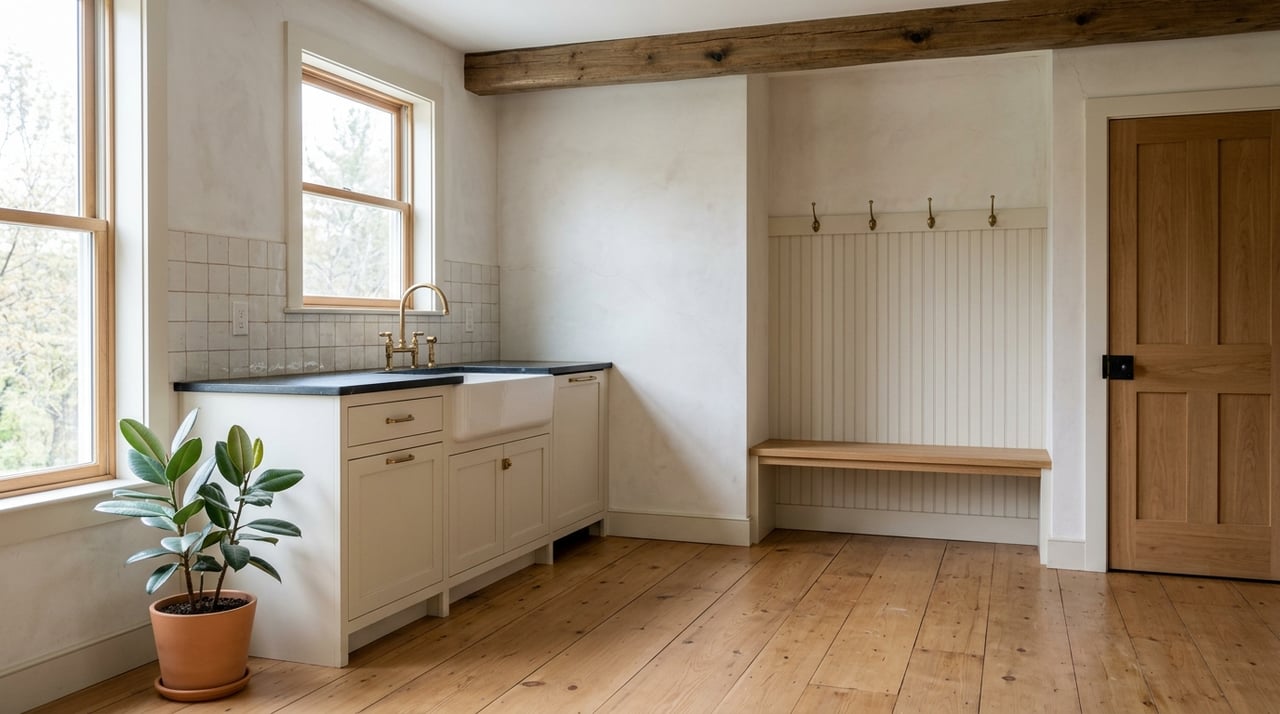
Renovating A Dutchess County Farmhouse With Resale In Mind
Wondering how far you should go when renovating a Dutchess County farmhouse before you sell? It is a smart question, because in this market, resale value is often tied to more than fresh finishes alone. If you want your home to appeal to today’s buyers without losing the character that makes it feel rooted in Dutchess County, the right strategy is a careful balance of preservation, practicality, and presentation. Let’s dive in.
Dutchess County has a strong agricultural and historic identity. The county describes agriculture, rural landscapes, and historic homesteads as part of its character, with more than 200,000 acres of farmland preserved through agricultural districts and related efforts.
That matters when you renovate for resale. Buyers looking at a farmhouse in Dutchess County are often responding not just to square footage or fixtures, but to whether the home still feels like it belongs to its setting.
A renovated farmhouse that keeps its porch, roofline, windows, and overall sense of place will usually tell a stronger story than one that feels overly generic. In a market shaped by scenery, rural heritage, and older housing stock, authenticity can support buyer appeal.
If your goal is broad buyer appeal, begin with improvements that buyers consistently notice. National remodeling data shows strong interest in kitchen upgrades, bathroom renovations, new roofing, and whole-home paint.
For a Dutchess County farmhouse, these updates tend to offer the best mix of function and presentation. They improve the way the house lives today while keeping the focus on features that matter during showings.
Kitchens and baths are often the first places buyers judge. You do not need to create something flashy, but these rooms should feel clean, functional, and in scale with the house.
A farmhouse kitchen usually benefits from practical storage, durable surfaces, and a layout that supports daily use. Buyer-preference data also points to features like Energy Star appliances, walk-in pantry space, and room for kitchen table seating.
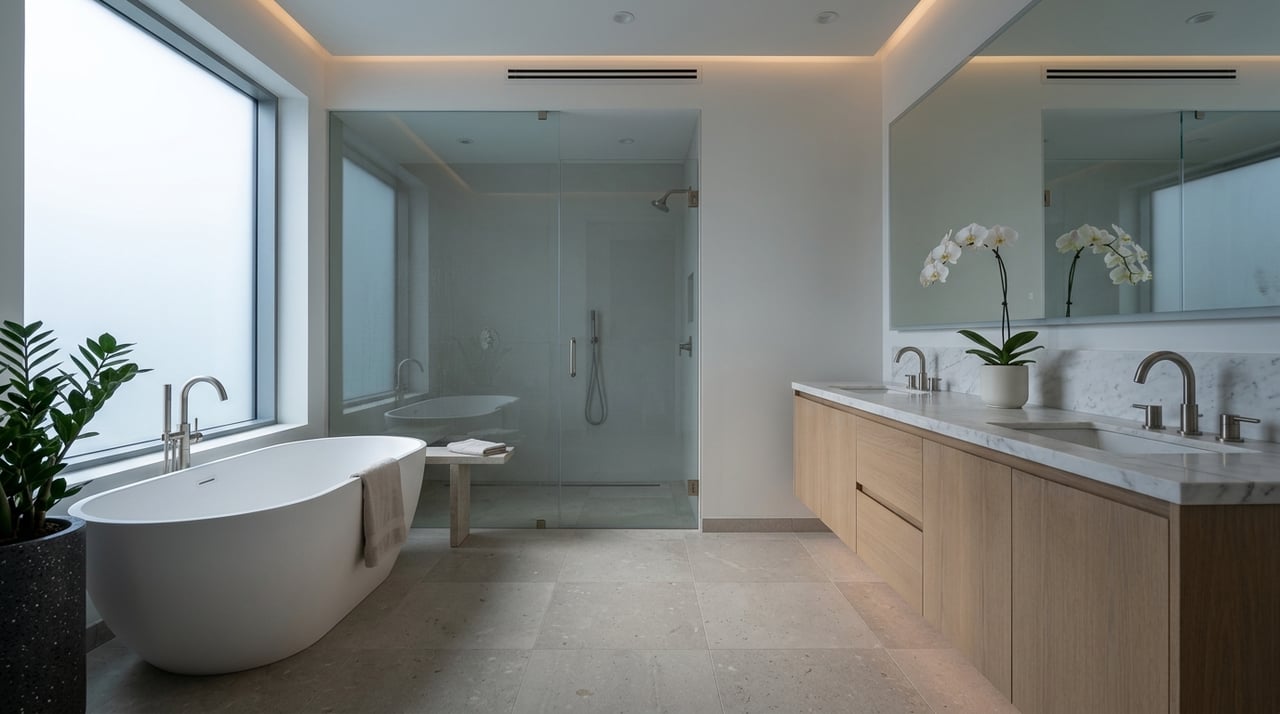
Bathrooms should feel fresh and easy to maintain. If possible, a full bath on the main level can also be attractive to buyers, according to recent buyer-preference surveys.
Fresh paint is one of the simplest ways to improve resale appeal. It helps buyers focus on the home itself instead of deferred maintenance or highly personal color choices.
Roof condition also carries real weight. Buyers may love a farmhouse exterior, but visible roofing issues can quickly turn excitement into concern.
Farmhouses often win buyers over with charm, but charm alone is not enough. Modern buyers still want practical spaces that make country living easier.
A well-designed laundry area or mudroom can make a meaningful difference. Recent buyer-preference data also highlights interest in storage, garage organization, exterior lighting, landscaping, and front porches.
When you renovate an older farmhouse, some of the highest-value decisions involve what you keep. Preservation guidance from the National Park Service supports rehabilitation that allows compatible updates while preserving the features that convey historic character.
That approach fits Dutchess County especially well. Older farmhouses often draw attention because of the details that newer homes cannot easily replicate.
Original windows are one of the clearest examples. Preservation guidance recommends repairing deteriorated historic features rather than replacing them when possible, and it notes that energy performance alone is not, by itself, a reason to replace historic windows.
If your windows need help, storm windows and weatherstripping may improve performance while keeping original materials in place. That can protect both character and comfort.
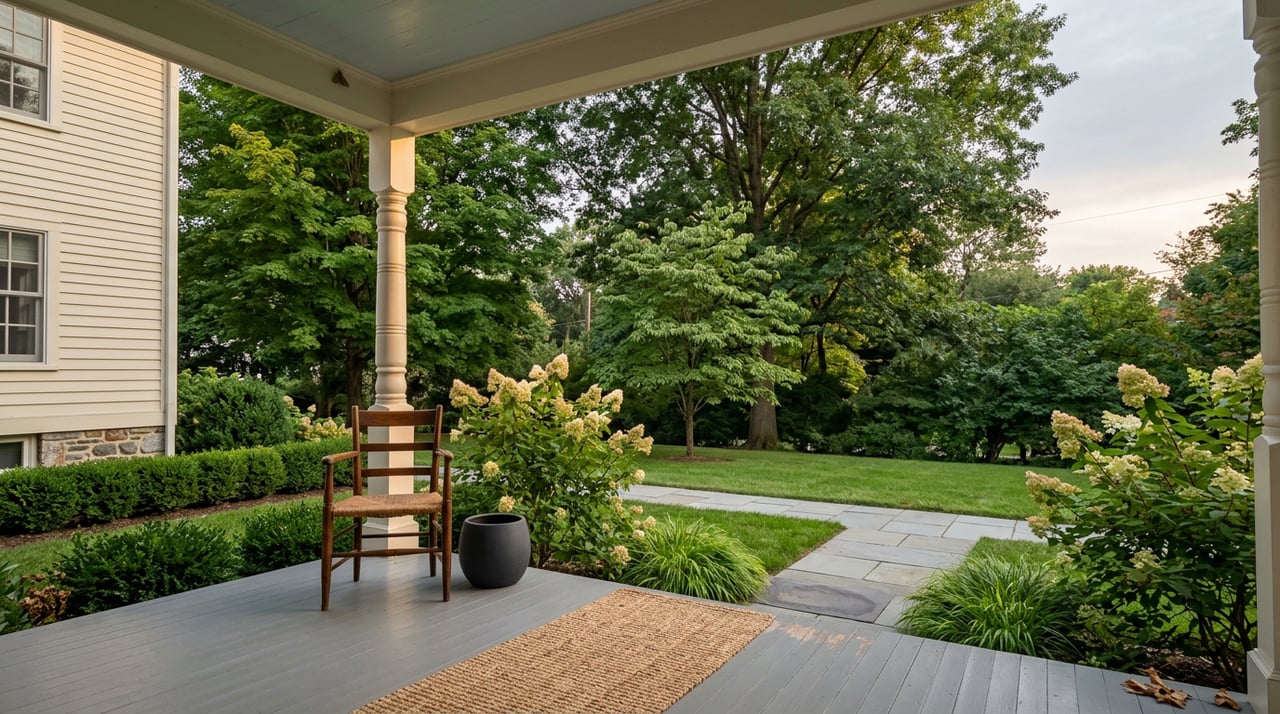
A farmhouse porch is not just a decorative extra. Preservation guidance notes that a porch’s size, style, details, and location help define historic character.
If you enclose it, shrink it, or strip away its detailing, you may weaken one of the home’s strongest visual assets. For resale, a usable, well-maintained front porch can be a major advantage.
The exterior should feel coherent from the road. That means preserving the shape and proportions that make the home recognizable as a farmhouse, even as you update materials and systems.
Simple choices often work best here. Clean paint, sound roofing, maintained trim, and tidy site lines usually do more for resale than trendy exterior changes.
Comfort matters to buyers, especially in older homes. But in a farmhouse, the smartest energy upgrades are often the least flashy.
NYSERDA says heating and cooling account for most home energy use, and it recommends air sealing and insulation as a key first step. It also notes that weatherizing the home first may allow for a smaller, lower-cost heat pump system later.
If you are planning several upgrades, the sequence matters:
This order can improve comfort, efficiency, and project coordination. It also aligns well with preservation-minded renovation, where less invasive solutions are often preferable.
Preservation guidance recommends passive and historically appropriate measures such as operable windows, porches, shutters, curtains, awnings, and shade trees. It also cautions against cutting exterior walls for through-wall units or placing visible equipment on roofs or other prominent locations.
For resale, this matters because buyers notice when mechanical upgrades interrupt the look of the house. A system that works well and stays visually unobtrusive is usually the better long-term choice.
In Dutchess County, farmhouse resale is not just about finishes. Site and infrastructure issues can shape a buyer’s confidence just as much as the kitchen does.
If the home has a septic system, work may require a permit. Dutchess County also states that its Septic System Replacement Program may reimburse eligible projects for up to 50% of costs, with a maximum of $10,000.
Private well water also deserves attention. The county makes private well test results available countywide, and the health department can advise on private wells even though it does not regulate them.
Buyers in rural and semi-rural areas often look closely at foundational property systems. If you can show that septic, well, drainage, or weatherization issues were addressed thoughtfully, you reduce uncertainty.
That does not mean over-improving every back-end system. It means handling major concerns proactively and documenting the work clearly.
Before you finalize exterior work, make sure you understand whether historic review may apply. New York’s preservation guidance notes that local landmark or historic district boards may review items such as roofs, siding, foundation materials, porches, windows and doors, lighting, additions, and new infill.
That is why early planning matters. Preservation guidance also recommends consulting preservation professionals early in the process, before finalizing layout changes, openings, porch alterations, or HVAC decisions.
Dutchess County’s Historic Resource Survey can also provide useful context for older homes, landscapes, and possible historic districts. If your home appears in that broader historic fabric, your renovation choices may carry extra weight in how the property is perceived.
In Dutchess County, a barn can be more than an outbuilding. It can be part of the property’s identity and one of the first features buyers remember.
If your property includes a historic barn, preserving its scale, openings, and materials may strengthen the overall resale narrative. New York also notes that certain barns built or used agriculturally before 1946 may qualify for a 25% rehabilitation credit if the work preserves the barn’s historic appearance and does not convert it to a residence.
For owner-occupied historic homes, New York also describes a 20% historic homeownership rehabilitation credit for qualified expenses in some cases. If you think your property may qualify, it is worth exploring early as part of your renovation planning.
The biggest mistake in a resale renovation is often making the home too specific to your own taste. A Dutchess County farmhouse can carry personality, but buyers still want room to imagine their own life there.
That means avoiding overly trendy finishes, complicated room uses, or design moves that fight the original structure. In most cases, a restrained, compatible renovation has wider appeal than a dramatic reinvention.
If you are deciding where to invest, this is a solid starting point:
The most effective farmhouse renovation is usually not the one with the most dramatic before-and-after. It is the one that helps buyers see a house that feels comfortable, cared for, and true to its setting.
In Dutchess County, that often means preserving the details that give the home its identity while investing in the updates that support daily living. When the house still reads as a farmhouse, but lives more easily for today’s buyer, you are usually on the right track.
If you are weighing which improvements will best support your sale, the team at Gladstone Karadus Team can help you position your Dutchess County property with a strategy that respects both character and market expectations.

Gladstone Karadus Team is dedicated to helping you find your dream home and assisting with any selling needs you may have. Contact them today for a free consultation for buying, selling, renting or investing in New York.

220 W 19TH ST FL 5 NEW YORK NY 10011