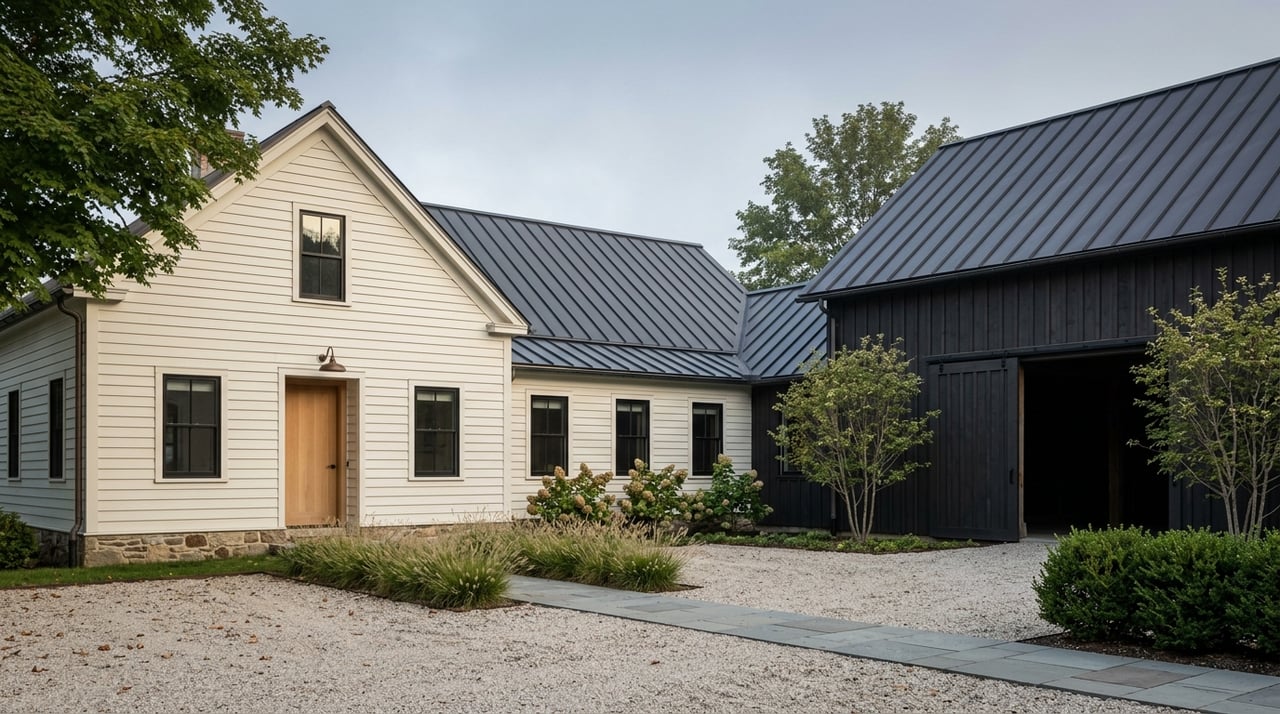
How to Plan a Columbia County Modern Farmstead
If you are dreaming about a Columbia County farmstead, it helps to know that a beautiful old barn and open acreage are only part of the story. You also need to understand how the land functions, what the local rules allow, and whether the property can support the life you want to build there. This guide walks you through the key planning factors so you can evaluate a modern farmstead with more clarity and confidence. Let’s dive in.
Columbia County is not simply a scenic backdrop for country living. According to the county’s Planning Department, agriculture remains a meaningful part of the local economy and heritage, with 444 farms on 79,391 acres in 2022 and about $111.2 million in commodity sales.
That matters when you are planning a modern farmstead. It means you are buying into a place where agricultural use is still active, which can shape everything from land value and neighboring uses to future resale and long-term stewardship.
A modern farmstead works best when the house, barns, land, access, and utility systems support each other. In practical terms, that means thinking beyond aesthetics and asking how the full property will perform day to day.
You may be looking for a full-time residence, a weekend retreat with productive land, or a property with room for future outbuildings. Whatever the vision, the goal is the same: make sure the parcel can support your intended use before you fall in love with the view.
Soil is one of the first filters in any farmstead search. The USDA Natural Resources Conservation Service says Web Soil Survey is the official way to access soil data for land-use decisions, and that soil surveys can help evaluate septic absorption fields, foundations, and other site-development constraints.
In Columbia County, this is especially useful because the same ground conditions that affect farming can also affect building plans. Drainage, soil group, and development limitations should be part of your early review, not a late surprise.
A farmstead plan depends on knowing what you actually own and what parts of the site are usable. Boundaries, slope, access points, and buildable areas can influence where you place a house, driveway, paddock, barn, or garden infrastructure.
For agricultural parcels, Columbia County maintains GIS and groundwater resources that can help frame your due diligence. A surveyor can also help you verify lot lines and identify practical constraints before you commit to a design path.
In rural property searches, water and septic are core feasibility items. Columbia County reviews plans for septic systems and for connections to public water and sewer, and the county advises buyers and owners to contact the Department of Health for a list of engineers and contractors working in Columbia County.
If the property relies on a private well, testing should be part of your planning process. New York State Health Department guidance says private wells should be tested at least once a year for bacteria and every three to five years for other contaminants, and wells should be installed by a DEC-registered water well contractor.
Wetlands can affect where and how you build. In New York, freshwater wetland protections expanded as of January 1, 2025, and DEC notes that its informational wetland maps are non-regulatory.
That means a map is a starting point, not a final answer. Only a jurisdictional determination can confirm whether a regulated wetland is present on a parcel.
Flood risk is another issue that deserves its own review. FEMA’s Flood Map Service Center is the official public source for flood hazard information and can be searched by address.
Even if a property feels elevated or dry, a formal check matters. Flood-zone status can affect siting decisions, insurance planning, and future improvements.
One of the most important things to understand in Columbia County is that land-use approvals are primarily municipal. The county explains that towns and villages are responsible for zoning laws, subdivision regulations, site plans, special use permits, building codes, and land-use enforcement.
In other words, the rules are local, not countywide. A property in one town may allow a certain structure or use more easily than a similar parcel in another.
This local variation matters for barns, driveways, accessory structures, additions, and conversions of outbuildings. If you are planning a guest house, studio, event space, farm stand, or an expanded residence, confirm the rules with the local building office for that specific parcel.
You will want to understand setbacks, lot coverage, and whether your intended use needs a permit, special use permit, or site-plan review. This step can save you time, money, and redesign work later.
If your property is or may become agricultural in use, New York’s Agricultural Districts Law is an important planning tool. The law is designed to protect and promote farmland, can limit unreasonable local regulation on farm practices, and provides right-to-farm protections and a tax framework for eligible acreage.
This is relevant whether you are buying working land now or planning a more active agricultural use later. It shapes how the property may be treated over time and should be part of your long-range decision making.
For agricultural assessment in New York, the general standard is at least seven acres in production and average gross sales of $10,000 or more over the prior two years, with a higher threshold for smaller operations. The residence itself is not eligible.
Columbia County’s real property office directs owners to apply with the town assessor before March 1, and the state says March 1 is the taxable status date in most towns. If you are buying with farm tax treatment in mind, this timeline should be part of your acquisition planning.
Tax benefits come with long-term responsibilities. New York states that land outside an agricultural district may still qualify for agricultural assessment, but if it receives that benefit it generally carries an eight-year conversion recapture period rather than five years.
That means a future change in use can have financial consequences. If your plans may evolve, it is wise to factor that into your budgeting and property strategy from the start.
Farm buildings are treated differently from land for tax purposes. New York allows a 10-year property tax exemption for newly constructed or reconstructed agricultural structures if they are essential to farming operations and actually used that way, with the application due within one year of completion.
This can be meaningful if your vision includes a new barn or the reconstruction of an agricultural structure. As always, the intended use and documentation matter.
A successful modern farmstead usually takes a coordinated team. In Columbia County, that often includes the local code-enforcement or building office, the Columbia County Planning Department, the county Department of Health, a surveyor, an architect or civil engineer, a septic designer or installer, and a DEC-registered well contractor.
The county Planning Department provides zoning-development review, research, analysis, and technical assistance. The county sewage information also notes that the Health Department can supply a list of engineers and contractors, which can help you assemble the right experts early.
For agricultural properties, the county Soil and Water Conservation District office also plays an important role in the assessment process because soil productivity is mapped there. That is useful beyond tax planning.
In practical terms, the same land feature that affects pasture, hay, orchards, or paddocks can also affect drainage, septic feasibility, and the placement of future improvements. A strong advisory team helps you connect those dots before they become expensive problems.
Planning a modern farmstead is not only about getting to closing. It is also about how the property will function and be documented over time.
Owners should keep permits and as-builts, document septic work, stay current on annual well testing, and pay attention to any change in use that could affect zoning or agricultural tax treatment. In Columbia County, long-term value often comes from keeping the paper trail and the physical systems aligned with how the property is actually used.
A well-chosen farmstead can be both inspiring and highly practical, but only when the romance of the property is backed by careful planning. If you are considering a Columbia County purchase, a thoughtful review of land, utilities, zoning, and agricultural strategy can help you move forward with far more confidence.
If you are weighing a farm, estate, or country property purchase in Columbia County, the Gladstone Karadus Team offers discreet, place-based guidance for buyers navigating the move from city to country with clarity and care.

Gladstone Karadus Team is dedicated to helping you find your dream home and assisting with any selling needs you may have. Contact them today for a free consultation for buying, selling, renting or investing in New York.

220 W 19TH ST FL 5 NEW YORK NY 10011