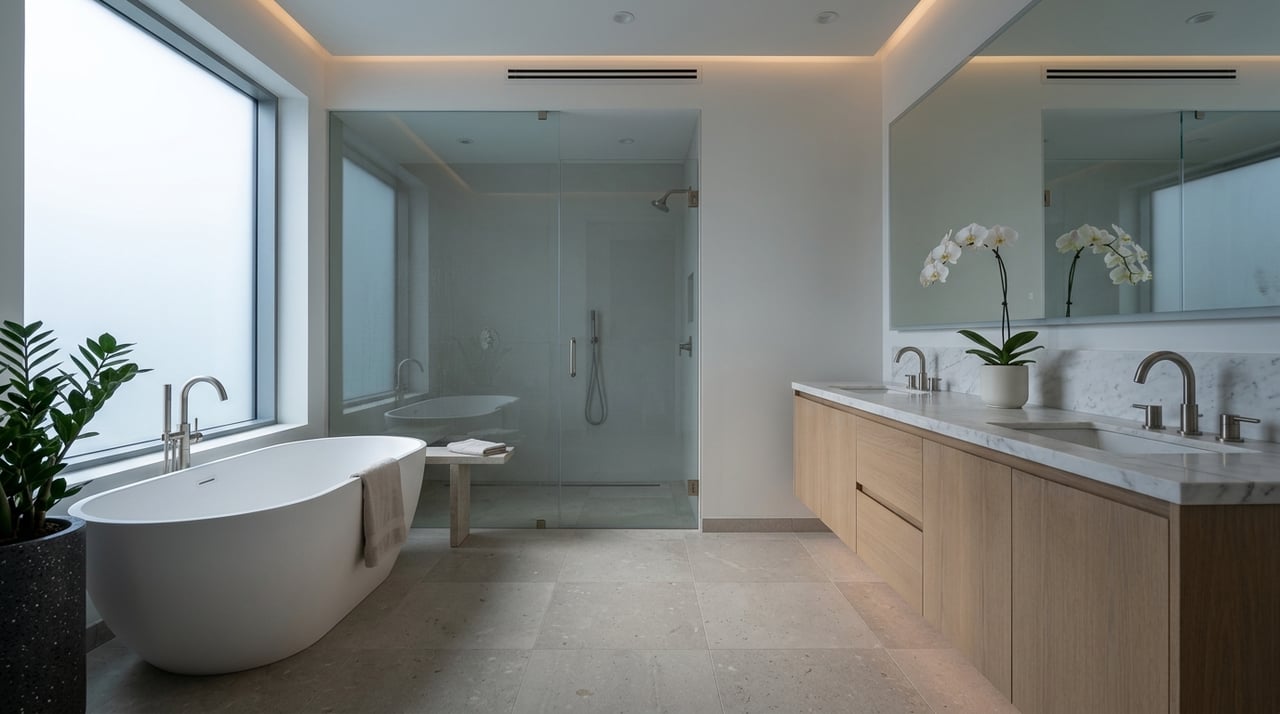
What Defines Luxury Living In Manhattan Today
Luxury in Manhattan is not just about a headline price anymore. If you are buying, selling, or simply watching the top of the market, you have likely noticed that the most desirable homes now stand out for a more complete mix of location, scarcity, service, layout, and lifestyle. Understanding what matters today can help you spot real value and make sharper decisions. Let’s dive in.
In Manhattan, luxury is often defined relative to the market rather than by one fixed dollar amount. StreetEasy currently places the luxury tier at the top 10% of inventory, and in June 2026 that tier began at $4.2 million, with a median asking price of $6.9 million.
That said, price alone does not tell the full story. Corcoran reported that activity above $5 million softened even while overall Manhattan demand remained strong. In other words, the luxury market is still active, but buyers are looking more carefully at what a property truly offers.
Scarcity remains one of the clearest markers of Manhattan luxury. Corcoran reported that active inventory fell to 7,182 listings in the second quarter of 2026, the lowest second-quarter level in eight years, while new development launches dropped 37% year over year to just 160 units.
When supply is tight, the difference between a good property and a truly competitive one becomes more visible. Buyers tend to respond most strongly to homes that combine a proven location, strong building quality, and a lifestyle package that feels hard to replicate.
A Manhattan luxury address is still important, but today the finer details matter even more. StreetEasy found that luxury properties are concentrated on the Upper East Side and in Midtown, with Park Avenue and Central Park South among the most valuable streets currently on the market.
At the same time, the neighborhoods with the most resale condo inventory include Midtown, Tribeca, Lincoln Square, Lenox Hill, and the Flatiron District. That mix shows why buyers often focus on the specific block, building, and product type rather than relying on neighborhood name alone.
Two homes with similar square footage and finishes can perform very differently if they sit in different parts of the same neighborhood. In Manhattan, a proven luxury micro-market often carries its own reputation for access, views, architecture, service level, or long-term buyer demand.
For sellers, that means positioning should be highly specific. For buyers, it means the best opportunities often come from understanding the building and immediate area, not just the broader district.
Luxury buyers still expect service and convenience, but the amenity package has evolved. JLL’s consumer research shows that people increasingly value health and wellness, green space, convenience, and technology that improves the experience without replacing human interaction.
That shift is easy to see in Manhattan. Wellness is no longer a nice extra. It has become part of the core definition of luxury living.
Today’s standout buildings often offer more than a standard fitness room. Across current condo marketing in New York City, recurring features include:
The key is credibility. Buyers are increasingly drawn to amenities that support daily life in a meaningful way rather than features that feel decorative or underused.
In a city where every square foot carries value, efficient space planning matters. JLL found that consumers increasingly want flexibility and variety, and that adaptable environments are becoming more important.
In practical terms, that means a luxury Manhattan home should do more than look impressive on paper. The most appealing layouts support entertaining, work-from-home needs, guest use, and storage without awkward circulation or wasted rooms.
When you evaluate a high-end apartment, it helps to look beyond square footage. Strong layouts often include:
This is one reason some homes command stronger interest than others at similar price points. Buyers are paying for usability as much as scale.
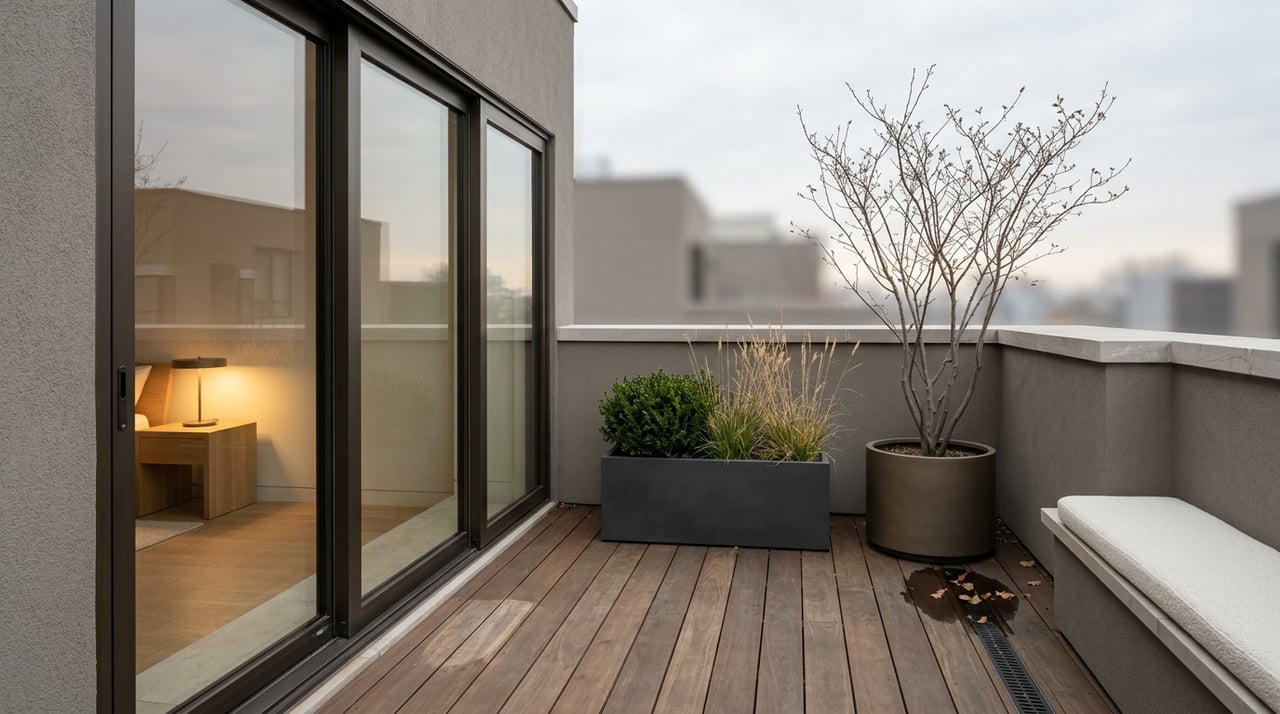
Private outdoor space remains highly desirable in Manhattan, but not all outdoor space is equal. JLL’s research shows continued interest in green space and biophilic qualities, and Manhattan marketing continues to highlight roof terraces, landscaped courtyards, setback terraces, and private terraces.
What matters now is whether that space is truly usable and supported by the building’s physical and legal framework. In New York City, building rules govern features such as decks, porches, and pools, and many new buildings or roof replacements must account for Sustainable Roofing Zone requirements, subject to exceptions for things like mechanical equipment and fire access paths.
A terrace sounds appealing, but buyers tend to place the highest value on space that works in real life. The most compelling outdoor areas are:
That practical distinction matters. In luxury property, outdoor space adds the most value when it feels like a true extension of the home.
One of the biggest mistakes buyers can make is treating all luxury inventory as interchangeable. In Manhattan, co-ops, condos, and new developments each offer a different ownership experience and a different value proposition.
According to the New York Attorney General, a co-op buyer purchases shares in a corporation tied to a specific apartment and receives a long-term proprietary lease, while paying maintenance based on share allocation. A condo buyer owns the unit outright and also holds an interest in the common elements while paying common charges.
Ownership structure can shape everything from flexibility to financial planning to the purchase process itself. It can also influence how a property fits your long-term goals, whether you prioritize discretion, ease of ownership, or a service-heavy lifestyle.
The New York Attorney General also advises buyers to review offering plans and board minutes, since a building’s physical condition and governing terms can matter just as much as the finishes inside a unit.
Miller Samuel’s fourth-quarter 2025 Manhattan report showed average condo sales around $3.0 million compared with $1.32 million for co-ops. Average price per square foot was $2,099 for condos and $1,154 for co-ops.
Those numbers are not luxury cutoffs, but they show that condos and co-ops sit in different pricing and ownership profiles. New developments add a third category, often combining contemporary design, new systems, and a more comprehensive amenity and service package.
When you step back, Manhattan luxury today looks less like visible excess and more like a carefully integrated package. The homes that stand out tend to share a few core traits.
A competitive Manhattan luxury property typically offers:
For buyers, this framework can help separate lasting value from surface appeal. For sellers, it can help clarify how to position a property in a market where expectations remain high and comparisons are immediate.
If you are buying in Manhattan’s luxury market, the goal is not simply to buy at a certain price point. It is to understand how location, building type, service, layout, and scarcity work together.
If you are selling, today’s market rewards precise positioning and a clear story. Buyers want to understand why a property is special, how it supports their lifestyle, and what makes it more compelling than the next listing they will see.
That is where informed guidance makes a difference. In a market with distinct product types and increasingly specific buyer expectations, thoughtful strategy matters as much as exposure.
If you are considering a luxury purchase, sale, or new-development opportunity in Manhattan, the Gladstone Karadus Team offers discreet, white-glove guidance shaped by deep experience in condos, co-ops, and high-value residential marketing.


Gladstone Karadus Team is dedicated to helping you find your dream home and assisting with any selling needs you may have. Contact them today for a free consultation for buying, selling, renting or investing in New York.

220 W 19TH ST FL 5 NEW YORK NY 10011