Exploring Columbia County Architecture Styles & Homes
What draws you to a home first: the view or the bones? In Columbia County, the architecture tells the story long before you step inside, from centuries‑old stone farmhouses to glassy new builds tucked into the hills. If you are weighing character, maintenance, and long‑term value, understanding local styles will help you buy with confidence. Below is a clear field guide to the look, feel, and practical considerations of the homes you will see most often. Let’s dive in.
Columbia County sits within the Hudson River Valley, a region with deep architectural roots and a robust record of preservation. You will find high‑style estates alongside vernacular farmhouses, many documented in the county’s National Register of Historic Places listings. That mix shapes today’s market, where buyers can choose between restored period homes, adaptive‑reuse projects, and contemporary designs that frame views and light. While these patterns appear across the broader Hudson Valley, this guide focuses on what you will encounter most in Columbia County.
You will recognize early Hudson Valley Dutch houses by their thick stone or brick walls, simple rectangular forms, and modest, symmetrical fronts. A local touchstone is the Luykas Van Alen House in Kinderhook, a c.1737 example interpreted by the Columbia County Historical Society. Many of these properties are museum‑quality or landmark residences, and some appear in historic districts.
Buyer notes: Expect specialized moisture management for masonry walls, along with updates to wiring, plumbing, and insulation that respect the structure. These homes deliver rare character but can require a higher‑touch maintenance plan.
Federal homes often show balanced facades with elegant fanlights and sidelights, while Greek Revival houses reference temples with gabled pediments, broad entablatures, and columned porches. These styles spread across prosperous farms and villages in the early to mid‑1800s and are well documented in regional histories of the period’s design context, such as the Hudson River Valley’s overview of the Federal era.
Buyer notes: High ceilings, original millwork, and period mantels add value and presence. If the property sits in a historic district, exterior changes may require local review, so factor time and scope into your planning.
Look for steep gables, pointed‑arch details, and decorative bargeboards that give cottages and farmhouses a romantic silhouette. Pattern‑book influences show up in porches and trim, and you will see examples tucked into both villages and rural lanes.
Buyer notes: Ornamental woodwork and complex roofs are defining features that can be costly to repair or replicate. During inspection, pay close attention to roof structure, flashing, and drainage.
Italianate houses feature bracketed eaves and tall, narrow windows, while Second Empire homes wear mansard roofs. Queen Anne design leans on asymmetry, turrets, wraparound porches, and varied siding textures. In Columbia County, these styles are common in village settings and on farmhouses upgraded in the late 19th century.
Buyer notes: More rooms and more exterior trim usually mean more ongoing maintenance. Many homes also carry later updates that you can keep or undo, depending on your preservation goals.
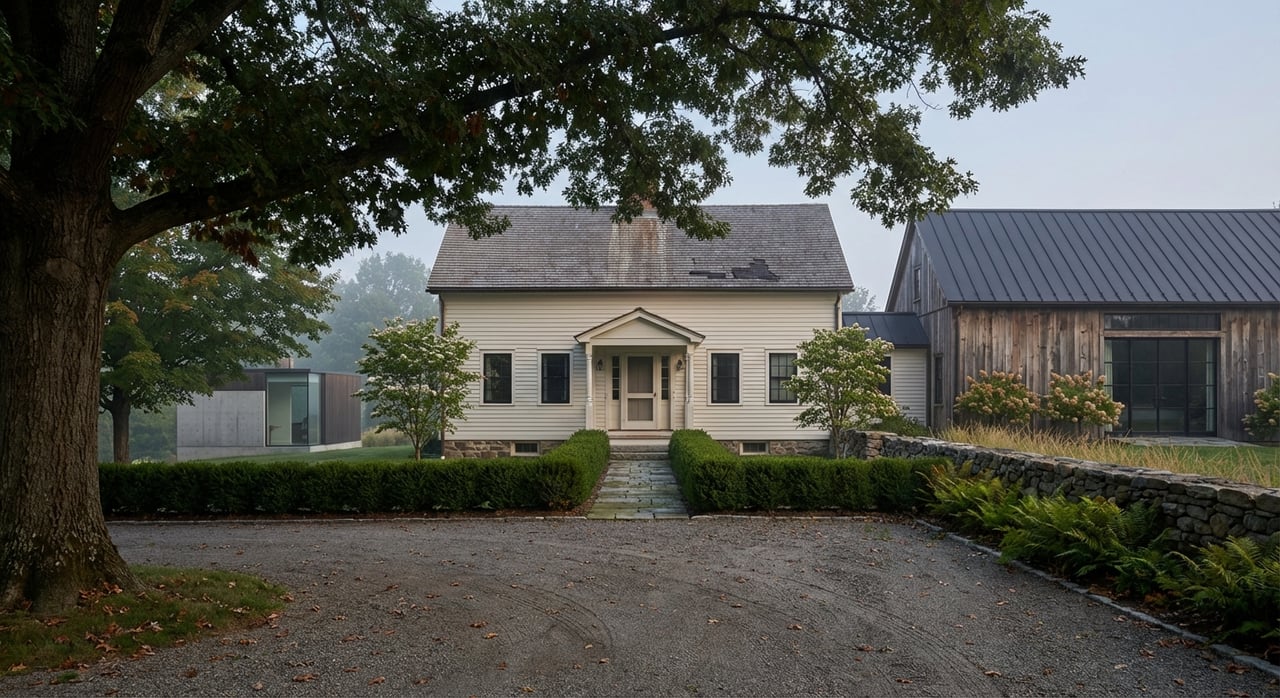
These practical homes often have center‑hall or side‑hall plans, broad porches, and wood clapboard or shingle siding. You may also see Colonial Revival or Craftsman details added over time.
Buyer notes: Adaptability is a strength. Plan for insulation upgrades, modern mechanicals, and septic or sewer evaluation to align the home with current comfort and efficiency standards.
The region’s agricultural past survives in distinctive barn types. The New World Dutch barn stands out for its bent framing, anchor beams, and broad gable front, a form discussed in resources like the Parker Training Academy Dutch Barn overview. Many properties pair a farmhouse with multiple outbuildings, and conversions to residences or studios are a local tradition.
Buyer notes: A barn conversion often requires structural reinforcement, new foundations or retrofit, robust insulation, and code‑compliant egress and fire separation. New York State also offers a 25 percent Historic Barn Rehabilitation Tax Credit that can help eligible projects pencil, which we outline below.
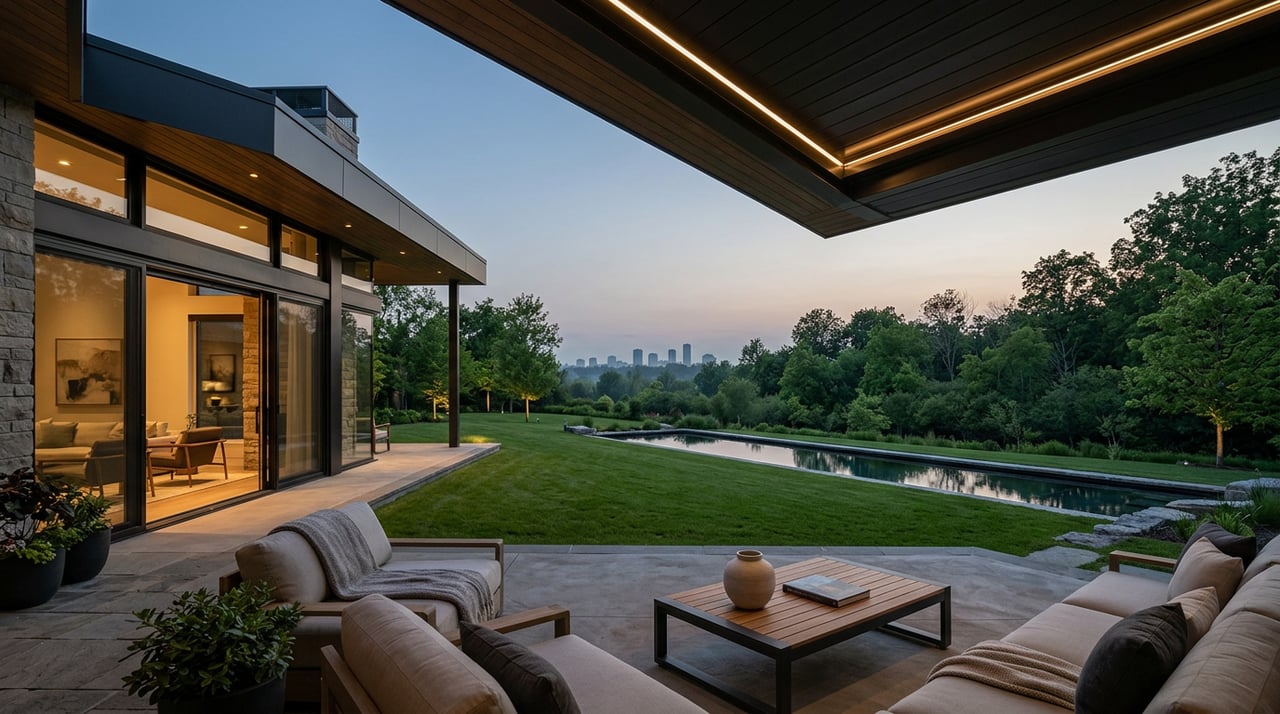
You will find modern additions on older homes, stand‑alone contemporary houses in timber, steel, or glass, and architect‑designed pavilions with a strong landscape focus. County institutions continue to elevate contemporary design in the area, including initiatives such as Art Omi’s Pavilions project in Chatham.
Buyer notes: Siting and daylighting drive the experience. In historic settings, expect potential review of exterior changes and a careful approach to harmonizing new work with old fabric.
Common issues in local preservation projects include aging electrical systems, original plaster over lath, single‑pane windows, limited insulation, masonry moisture at foundations, and legacy plumbing or septic. For upgrades, preservation guidance favors diagnosing and managing moisture first, then improving energy performance while retaining significant features. The National Park Service offers clear, practical recommendations for energy efficiency and resilience in historic buildings.
Smart inspection priorities:
Confirm current rules, eligibility maps, and application timing with the New York State Historic Preservation Office. Early coordination can shape your scope and sequence.
If a property is individually listed or within a designated historic district, exterior work, demolition, or major alterations may require local preservation review in addition to building permits. For tax credits, the State Historic Preservation Office is the first stop for guidance, certification, and approvals. Begin planning conversations with your town or village building department and the NYS SHPO Division for Historic Preservation as early as possible.
Start with your lifestyle and maintenance appetite, then match the house to both. Love tactile history and thick walls? An 18th‑century stone house could be the right fit. Prefer flexible spaces and low‑profile upkeep? A vernacular farmhouse or sensitive contemporary might serve you better. If a barn conversion is your dream, build in time and budget for structure, insulation, and code compliance.
Buyer checklist:
When you are ready to explore Columbia County’s architecture in person, work with advisors who understand both preservation nuance and modern living. For discreet guidance on historic homes, adaptive reuse, and architect‑designed properties, connect with the Gladstone Karadus Team. Schedule a Private Consultation.
Gladstone Karadus Team is dedicated to helping you find your dream home and assisting with any selling needs you may have. Contact them today for a free consultation for buying, selling, renting or investing in New York.

220 W 19TH ST FL 5 NEW YORK NY 10011