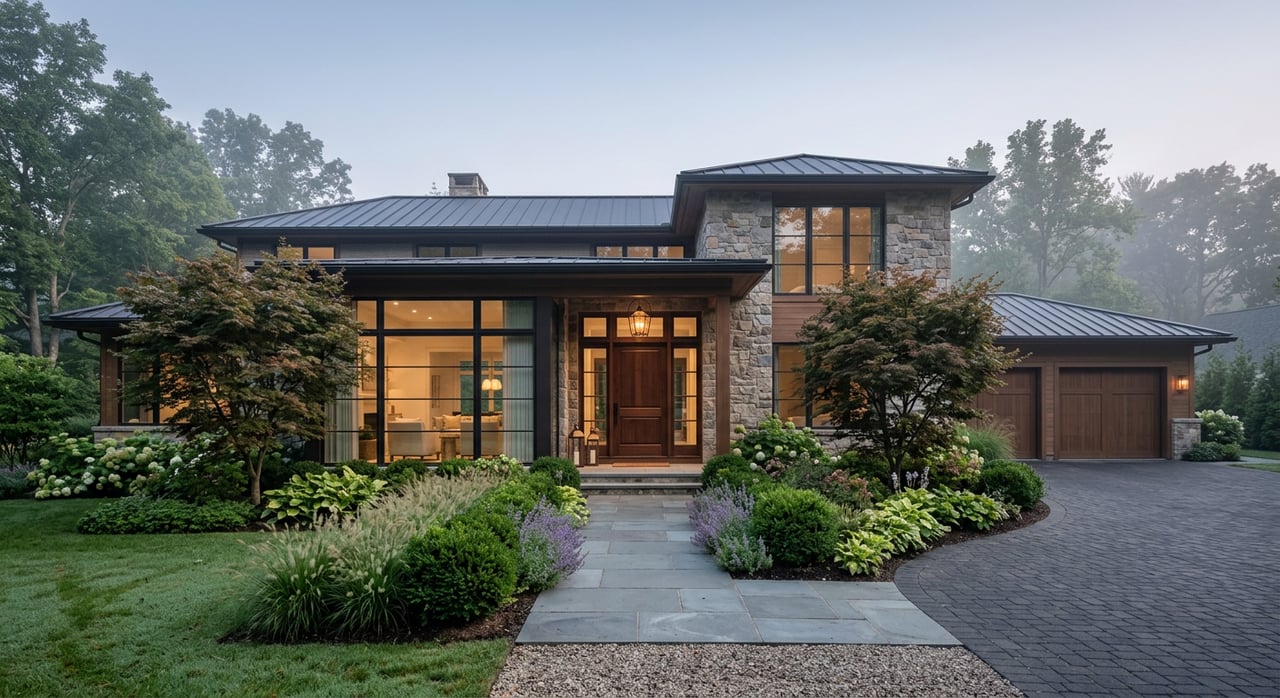
A Practical Guide for Putnam County NYC Commuters
You want more space, lake views, and trail access without giving up your New York City career. Putnam County offers that blend of quiet living and practical commuting that many city professionals want. In this guide, you will see how the train and driving options actually work, what homes cost, and which towns fit different commuting styles. Let’s dive in.
Putnam County sits just north of Westchester in the lower Hudson Valley, with a population of about 98,400. Its six towns and small villages feel close-knit, yet you still have a direct line to Midtown. Many residents trade city square footage for bigger yards, lake communities, and easy access to state parks, while keeping regular Metro-North service to Grand Central. The county is set up for a rail-and-car lifestyle, with local shuttles and park-and-ride lots that support the morning and evening rush.
Two Metro-North lines serve Putnam commuters. On the east side, the Harlem Line connects through Brewster, Southeast, and Patterson. Along the Hudson River, Cold Spring and Garrison sit on the Hudson Line. If station features, accessibility, or parking matter for you, start with the official station directory for the latest details. The county’s transportation page is also a helpful snapshot of local connections.
Harlem Line from Brewster: scheduled trains commonly run about 1 hour 20 to 95 minutes, with the faster end in peak periods when expresses skip stops. Sample timetables show frequent peak runs in roughly the 1:25 to 1:37 range. For a quick reference, you can scan a Brewster to Grand Central example schedule, then confirm exact times on the MTA timetable the week you ride.
Hudson Line from Cold Spring or Garrison: rides often fall around 1 hour 15 to just over 90 minutes, depending on train type and express patterns. Service on this line has seen speed improvements at certain times, and super-expresses can be competitive.
Always verify with the current MTA timetable or the TrainTime app because running times and express patterns change.
Weekday mornings concentrate inbound trains to Manhattan, then reverse in the evening. Expect more options at peak times and fewer late-night trains. Weekend service runs on a different rhythm, and the Hudson-side corridor can get seasonal boosts for hikers. The Breakneck Ridge area has had special weekend and construction-related arrangements in recent years, so it is smart to check notices before planning a hike-and-train day.
Parking is a real factor in daily comfort. Larger Putnam hubs like Brewster/Southeast and Cold Spring can fill early. Brewster’s campus has significant yard and parking changes planned, which can affect availability and traffic flow near the station. If you want guaranteed parking, ask about permit waitlists and construction timelines before you commit to a home.
If you live a short drive from the station and do not want to park daily, weekday shuttle links can help. Examples include the Danbury–Brewster connector and county routes timed to trains.
Your route depends on where you live in the county. Southern and eastern towns funnel toward the Taconic State Parkway and I-684, with I-84 intersecting around Southeast. West-of-county trips often use river crossings and the Bear Mountain corridor. Understanding your most likely route helps you price in time, tolls, and bridge or tunnel variability.
Under moderate traffic, many Putnam locations sit in a roughly 50 to 80 minute driving window to Midtown. During heavy rush periods, that can stretch to 1 to 2 hours or more. Off-peak nights and weekends are often faster. The distances and bridge or tunnel constraints make timing sensitive, so model your drive by time window, not a single number.
If you ride the rails, plan to leave 30 to 45 minutes before your scheduled train to account for parking and platform time. Evenings mirror the morning with platform crowds and timed transfers. If you keep irregular hours, check the last outbound train and keep a fallback plan. Real-time alerts and the TrainTime app are daily essentials.
Market trackers show a late 2025 to early 2026 median value range around 535,000 to 585,000 dollars for Putnam County. River-view homes and walkable village cores often command a premium, while more rural settings can stretch your budget further. Use the range for planning, then pinpoint a town-level price band when you focus your search.
Property taxes are a meaningful part of monthly carrying costs in Putnam. Compilations of ACS data show median real estate taxes paid near 10,000 dollars. Actual bills vary by town, property type, and exemptions, so confirm with the local assessor during due diligence.
Train fares depend on your zone and whether you travel peak or off-peak. One-way peak fares for longer-zone trips often fall in the about twenty dollar range, with monthly passes in the several hundred dollars range. When budgeting, include parking, rideshare for late returns, and childcare if that affects your morning routine.
Rail: Limited direct rail access in many hamlets, so you will likely drive to a station. These towns fit well if you work remote several days each week or value acreage and quiet.
Housing: Larger lots, cabins and ranches, and homes near state parkland. You get a clear tradeoff of nature and privacy for added drive time.
Lifestyle: Trails and lakes are key anchors. Nearby state parks like Wonder Lake offer quick escapes.
Explore park access: Wonder Lake State Park
Use this quick checklist to compare towns and listings with your actual workweek.
Before you choose a town, do a trial commute. Drive to the station at your true departure time, park, ride the exact train you plan to take, then return on your target evening train. That one day will tell you more about fit than any spreadsheet. When you are ready to map that experience to the right home and neighborhood, our dual-market perspective makes the move seamless.
You can explore options in Putnam while also planning a sale or rent-back in the city, so your timeline stays clean. For a tailored plan, schedule a conversation with the Gladstone Karadus Team. We connect Manhattan and Hudson Valley lifestyles with white-glove, data-driven guidance.
Gladstone Karadus Team is dedicated to helping you find your dream home and assisting with any selling needs you may have. Contact them today for a free consultation for buying, selling, renting or investing in New York.

220 W 19TH ST FL 5 NEW YORK NY 10011