Is a sunlit, brick-and-beam Tribeca loft on your shortlist? You’re not alone. These homes offer soaring ceilings, character, and a rare sense of volume, yet they also come with unique legal, financial, and lifestyle considerations. In this guide, you’ll learn how to confirm a loft’s legal status, weigh co-op versus condo options, spot building-level risks, and focus on features that drive long-term value. Let’s dive in.
What a Tribeca loft means
Tribeca has a mix of authentic warehouse conversions and newer buildings that emulate the loft aesthetic. You will see:
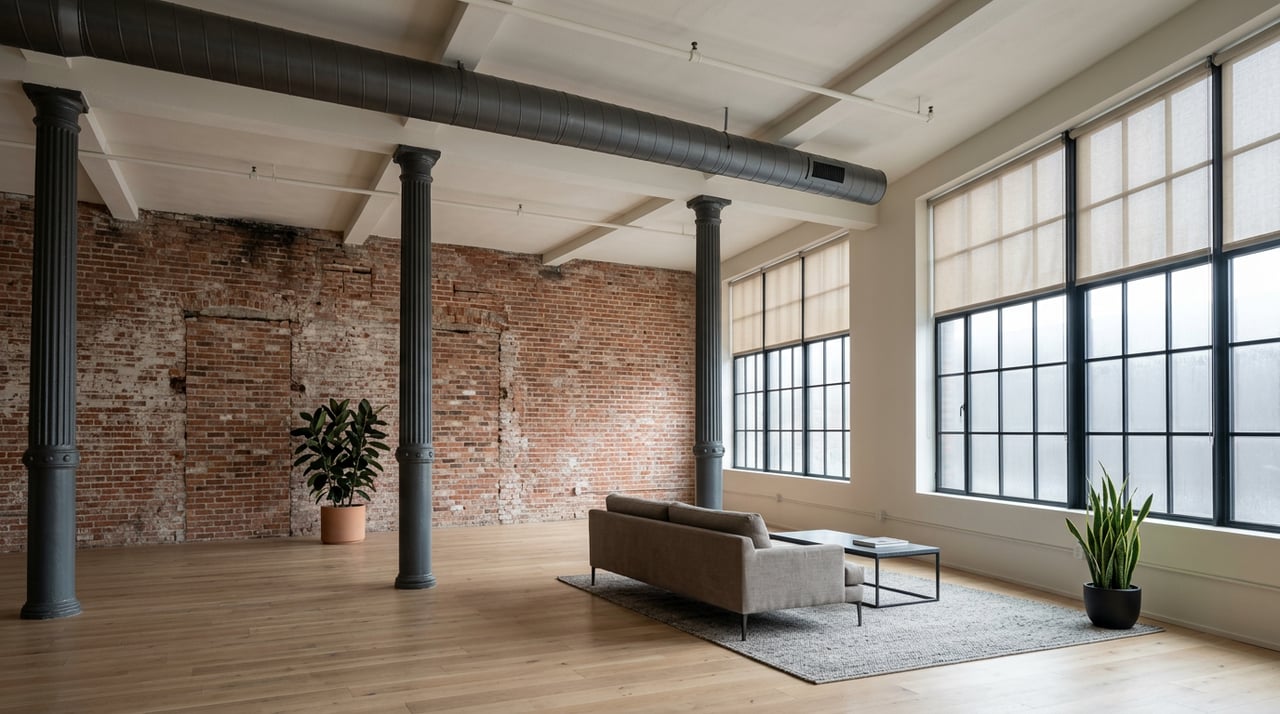
- Hard lofts: true industrial conversions with open plans, exposed brick or beams, large windows, and tall ceilings.
- Soft lofts: newer condos that deliver open layouts and industrial finishes built to modern residential code.
- Live/work or IMD units: spaces that were commercial, later used as residences, and may fall under New York’s Loft Law. Learn how IMD coverage works on the NYC Loft Board overview.
Photos rarely tell the whole story. Ask for a dimensioned floor plan that shows columns, window runs, and plumbing stacks. If you are also considering newer, loft-style condos in Tribeca, compare against examples such as 56 Leonard to understand how modern systems, amenities, and ceiling heights differ from older conversions.
Character vs. convenience tradeoffs
- Layout flexibility: Open space is a dream for entertaining, but creating private bedrooms with proper light and egress takes planning. Column placement and window runs often dictate what is feasible.
- Systems and maintenance: Older conversions may include patchwork electrical or aging plumbing. Newer soft-loft condos tend to have updated HVAC, modern windows, and warranties.
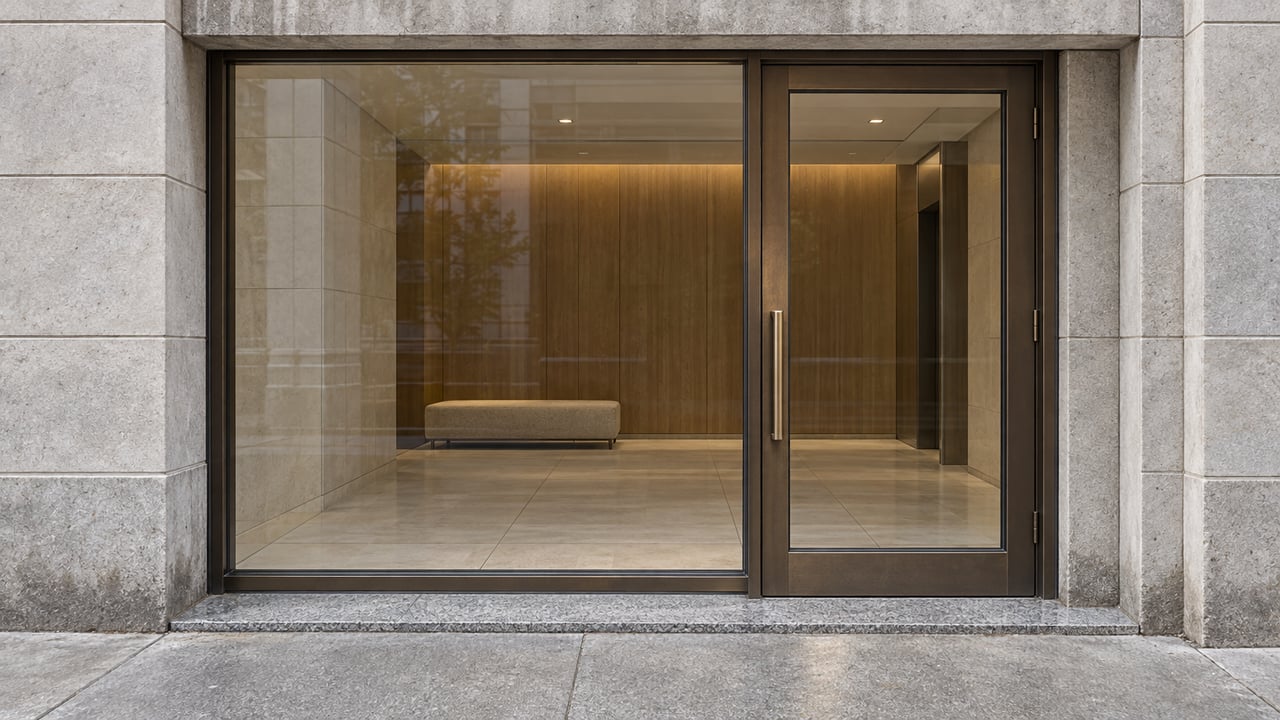
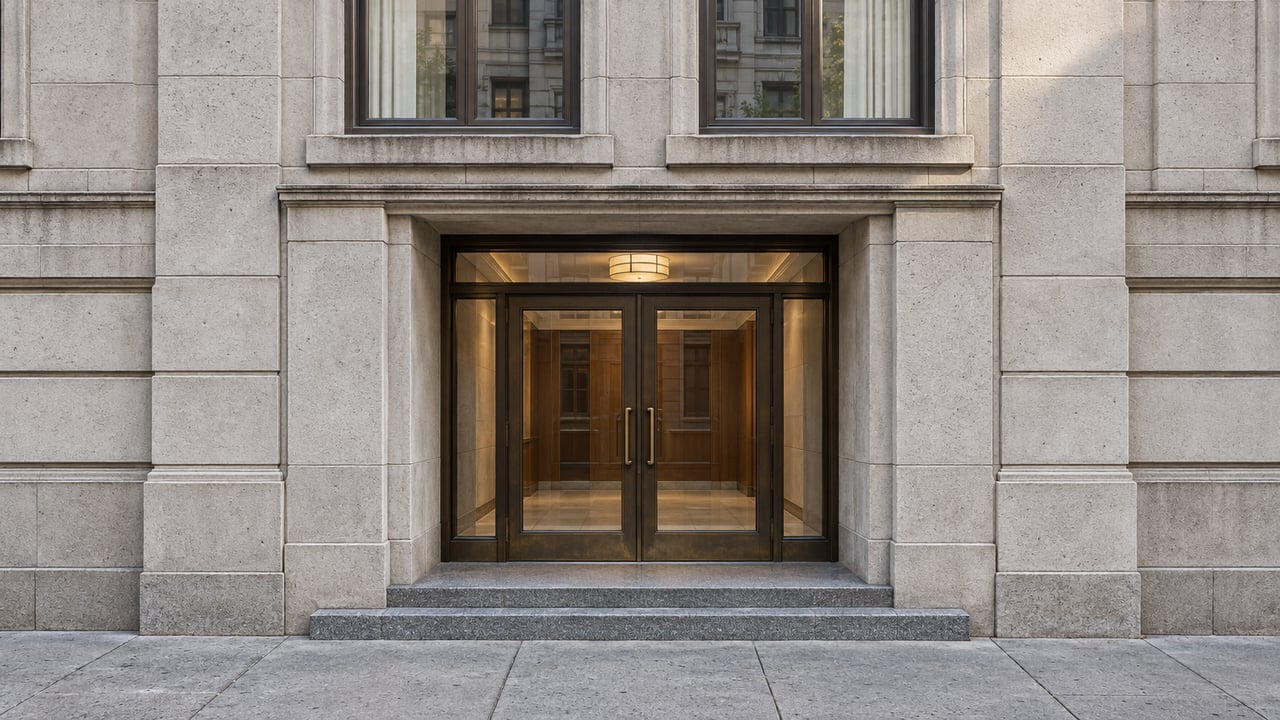
- Amenities: Many boutique loft buildings have few amenities. Newer loft-style condos often include a staffed lobby, fitness, and storage.
- Acoustics and privacy: Open plans amplify noise. Consider partitions and acoustic treatments if you keep bedrooms open to the main space.
Legal status comes first
Before you fall in love with a ceiling height, confirm that the space is legally residential. A Certificate of Occupancy (CO) defines legal use and occupancy, and the city will not issue a CO if there are unresolved violations. Read the CO carefully to see the authorized use and the number of legal dwelling units. Start here: the city’s Certificate of Occupancy overview.
If the building or unit has IMD history, understand the Loft Law path. Some IMD units follow specific legalization steps and may be subject to rent-stabilization rules until a residential CO is issued. Verify status with the NYC Loft Board and review any Loft Board orders or legalization plans before you proceed.
Building safety and façade checks
Two building-level items can delay closings or trigger costly repairs:
- DOB violations: Open violations, Stop Work Orders, or outstanding summonses can block a CO or force remediation. Review the Department of Buildings guidance on DOB violations and pull a property report.
- FISP compliance: Buildings taller than six stories must file periodic façade inspections under Local Law 11. Unsafe or SWARMP findings require timely remediation, and sidewalk sheds can linger. Learn the filing requirements on the city’s FISP instructions page.
Co-op vs. condo in Tribeca
Many legacy loft conversions are co-ops, while newer loft-style buildings are often condos. This affects approval timelines, down payment expectations, and rental flexibility. For a primer on key differences, see Investopedia’s overview of co-ops vs. condos in New York City.
| Factor |
Condo |
Co-op |
| Ownership |
Deeded unit |
Shares plus proprietary lease |
| Approval |
No interview in most cases |
Full board package and interview |
| Down payment |
Often more flexible |
Often higher with liquidity tests |
| Monthly carry |
Common charges plus your own taxes |
Maintenance includes taxes and building costs |
| Investor use |
Often more flexible to rent, check rules |
Usually stricter sublet rules |
| Closing speed |
Generally faster, more predictable |
Longer due to board review |
| Tribeca pattern |
Common in newer loft-style buildings |
Common in older conversions |
Your pre-offer due diligence list
Request these documents before you make an offer or add the right contingencies:
- Certificate of Occupancy or any Temporary/Partial COs, or a Letter of No Objection if applicable. See the city’s CO overview for context.
- DOB property report with open, pending, and historical violations or summonses. Reference the DOB violations guide.
- Loft Board or IMD registration status plus any Loft Board orders and legalization plans, if applicable, via the NYC Loft Board.
- FISP filing history and current façade classification, with any planned scopes and budgets.
- Building financials: 2 to 3 years of budgets, most recent reserve schedule, board minutes for the last 12 months, and details of any underlying mortgage or special assessments.
- Offering plan or proprietary lease, house rules, board application package, and subletting rules.
- Engineering and contractor reports for major work over the last 5 to 10 years.
- Master insurance summary and owner responsibility for in-unit improvements.
Professionals to line up before closing:
- Licensed home inspector with New York loft experience.
- Real estate attorney experienced with NYC co-op and condo transactions.
- Architect or structural engineer if you plan to reconfigure layouts or add a mezzanine.
- If you are financing a co-op, a mortgage broker who understands co-op underwriting. For a refresher on how co-ops differ from condos, review Investopedia’s guide.
Red flags that should pause a deal:
- CO text that lists a unit or floor as commercial or storage rather than residential.
- Significant open DOB violations or a Stop Work Order tied to safety or conversions.
- FISP status marked Unsafe without a documented repair timeline or escrow plan.
- Board minutes showing chronic deficits, low reserves, or recurring special assessments.
- Ongoing Loft Law legalization with unclear cost allocations or rent regulation exposure.
Features that drive daily life and resale
- Ceiling height: A core value driver. Expect higher utility costs and added complexity for HVAC or mezzanines when ceilings soar.
- Column grid: Wider spacing improves layout options and usable square footage. Tight or awkward grids reduce flexibility.
- Windows and orientation: Large factory windows bring great light and views. Watch for glazing replacement costs and heat gain on south and west exposures.
- Floorplate size: Very large single-floor lofts appeal to a niche buyer pool. Efficient floor-throughs reach broader demand.
- Mechanical and plumbing: Wet walls and stacks are often fixed. Moving them is expensive and permit heavy.
- Amenities: In Tribeca, a staffed lobby, storage, bike rooms, and roof access broaden appeal. Older conversions may compete on character instead.
Tour smart like a local
Time your site visit for both day and evening to gauge light, street noise, and elevator traffic. Bring a tape or laser measure to confirm key spans and bedroom feasibility next to windows. Ask to access the roof, cellar, or mechanical areas if allowed, and note any sidewalk sheds or façade work in progress. Always collect the most recent floor plan and compare it to what you see in person.
Partner with a seasoned team
Buying a Tribeca loft rewards precise due diligence and a well-run process. You will navigate legal status, board requirements, building financials, and sometimes complex renovations. Work with a team known for white-glove service and meticulous board package management so your closing stays on track and your long-term value is protected.
Ready to focus your search and move with confidence? Connect with the Gladstone Karadus Team to Schedule a Private Consultation.
FAQs
How do I confirm a Tribeca loft is legal to live in?
- Ask for the building’s Certificate of Occupancy and verify that your unit is listed as residential; use the city’s CO guidance to understand permitted use.
What is New York’s Loft Law and why does it matter for buyers?
- The Loft Law creates an Interim Multiple Dwelling path to legalize former commercial spaces used as residences, which can affect timelines, costs, and rent regulation until a residential CO is issued.
Why should I care about façade scaffolding and FISP filings?
- Buildings over six stories must pass periodic façade inspections; Unsafe or SWARMP findings can mean long-term sheds, penalties, and major repair budgets that affect daily life and resale.
How do co-ops and condos differ when buying a Tribeca loft?
- Condos generally offer faster closings and more flexible renting, while co-ops often require a full board package, interviews, and stricter financials that can extend timelines.
What building documents should I review before making an offer?
- Collect the CO, DOB property report with violations, FISP history, Loft Board status if relevant, financials and reserves, offering plan or proprietary lease, house rules, and recent engineering reports.