Dreaming of a keys-in-the-city home base where gallery afternoons roll into dinner on cobblestoned streets? If SoHo’s cast-iron lofts and design-forward energy are calling, you’re not alone. Buying a pied-à-terre here can be both inspiring and complex, with rules, taxes, and building nuances that are very SoHo. In this guide, you’ll learn how to choose the right block and building, what legal checks to run, how boards view second homes, and which costs to expect. Let’s dive in.
Why SoHo suits a pied-à-terre
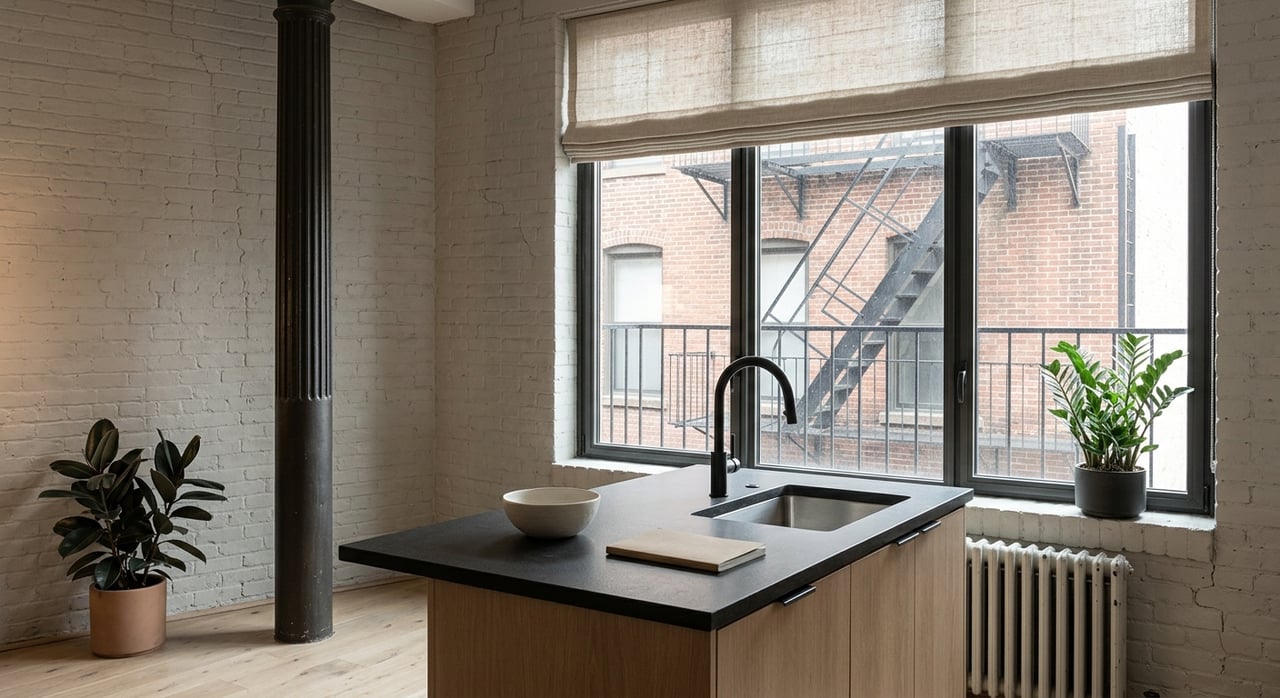
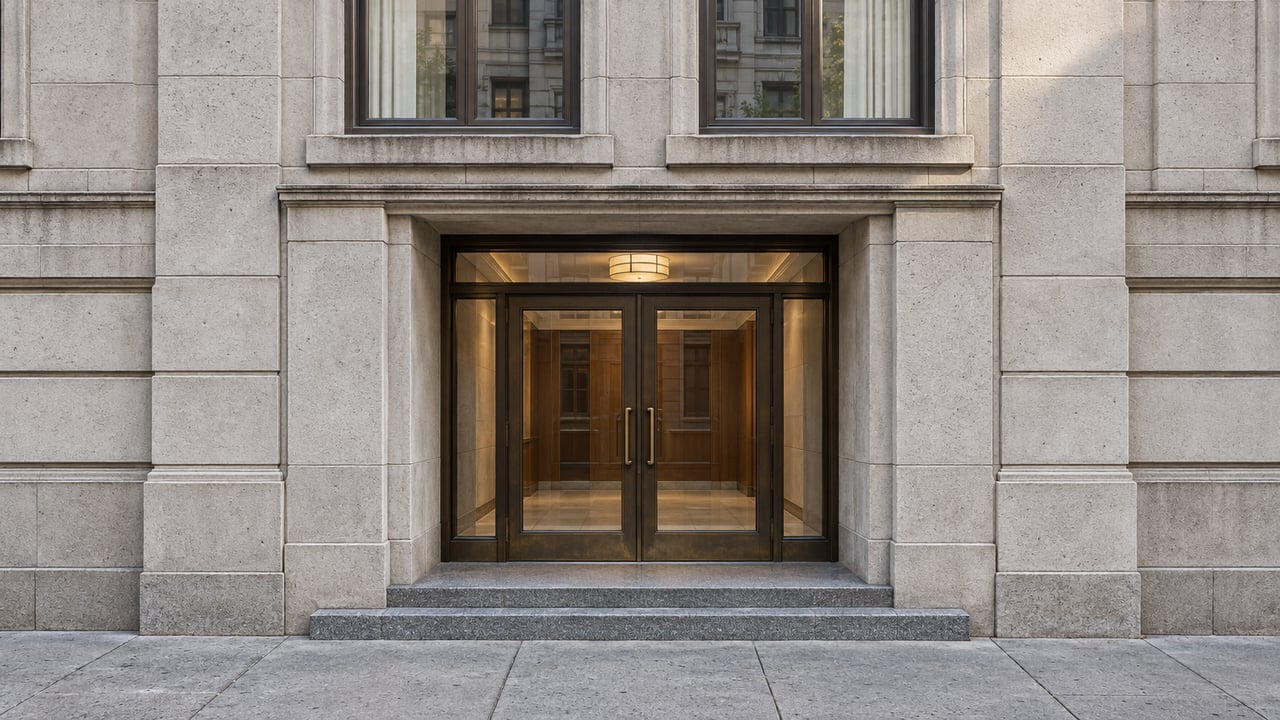
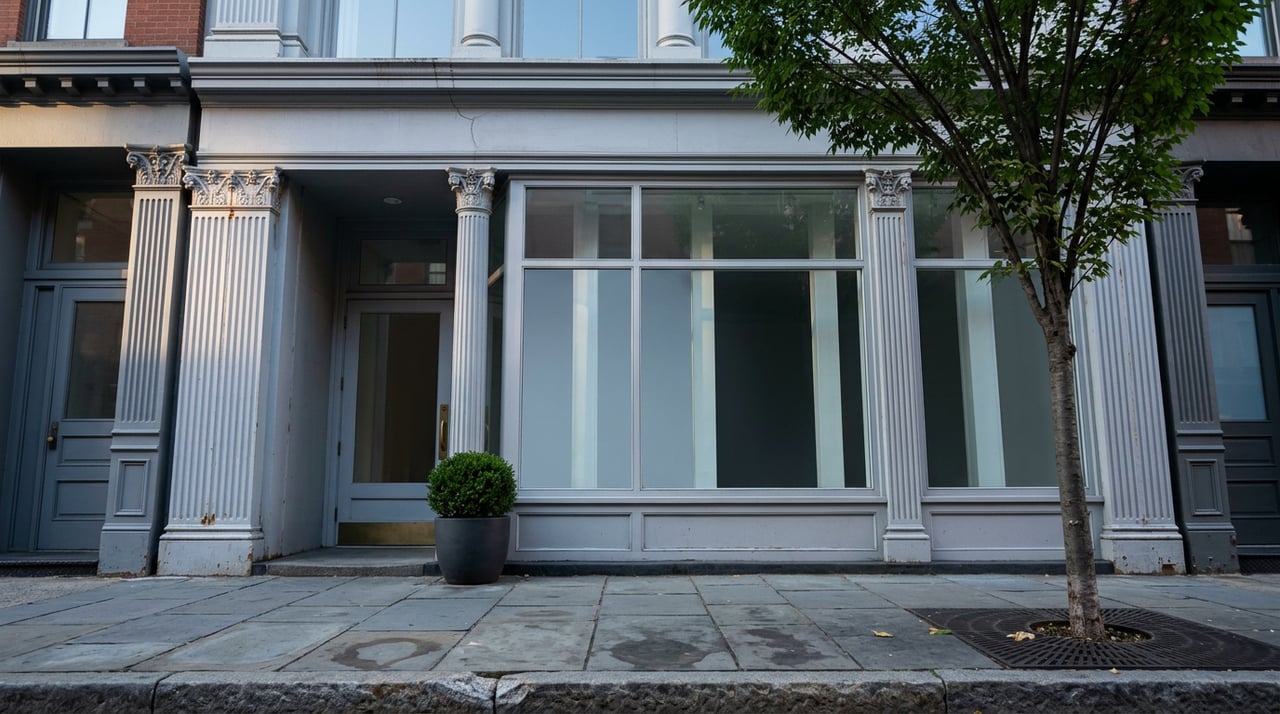
SoHo is compact and iconic, prized for its cast-iron façades, high-ceilinged lofts, and luxury retail and dining scene. The SoHo–Cast Iron Historic District shapes much of the neighborhood’s look and feel, influencing exterior work and signage across core blocks. You can explore its maps and history in the Landmarks Commission’s report on the district for helpful context on what you see on the street.
Prices reflect that cachet. Recent reports show SoHo among the city’s most expensive neighborhoods, with Q1 2025 median sale prices in the multiple‑million range. PropertyShark’s Q1 2025 roundup cites a median around 3.8–3.9 million dollars, though medians swing with the mix of condo and co‑op sales. Always check the latest data before you bid.
Micro-location matters here. If you want a quieter base, look to side streets and higher floors set back from active retail corridors. Streets like Greene, Mercer, Prince, and Crosby are frequently named by locals for their classic SoHo character. Designers often prize open lofts with oversized windows, while frequent travelers tend to choose compact, well-staffed condo buildings for simple lock-and-leave living.
Building types and legal status
When you shop SoHo, “loft” can describe both a look and a legal status. Many buildings began life as commercial or manufacturing spaces and were later converted to residential use. The New York Loft Law created a framework for buildings with residential occupancy but no residential certificate of occupancy, known as IMDs (Interim Multiple Dwellings).
Here’s what that means for you:
- Confirm the building’s certificate of occupancy and whether any unit or the building is still under Loft Board jurisdiction. Open legalization matters can affect what renovations are allowed and when. Review the Loft Board’s overview of the law and its fact sheets before you proceed.
- If a listing notes “legalized loft,” ask for the documentation behind that status and any Department of Buildings filings. Your attorney should verify that the use is residential and that there are no unresolved orders.
Condo vs co-op for part-time use
If you plan to use the home part-time, building governance and use rules are as important as the floor plan.
- Condos typically offer more flexibility for non‑primary owners, with simpler approvals and generally easier subletting frameworks than co‑ops. You own real property and the board’s powers are more limited.
- Co‑ops can be more affordable on paper but give boards wide discretion over who they approve, how much you must put down, and how you can use the apartment. Many co‑ops restrict or discourage pieds‑à‑terre. Expect thorough financial vetting and a detailed board package.
For a quick refresher on the differences, see this practical explainer on co‑ops vs condos. The takeaway for many second‑home buyers: condos are often the path of least resistance, but you must verify each building’s rules.
Use, guests, and renting
House rules govern how you can use your home. Even in condos, bylaws may set minimum lease terms, registration steps, or guest policies. Co‑ops commonly restrict subletting and may cap the number or length of sublet terms. Read the governing documents carefully.
Short-term rentals are a separate, citywide issue. New York City’s Short‑Term Rental Registration Law, known as Local Law 18, created a strict registration system for hosts and platforms. In practice, many entire‑apartment short‑term rentals are not allowable, and buildings can block registration if their rules prohibit it. If you’re hoping to generate short‑term income from a pied‑à‑terre, understand that Local Law 18 is a hard constraint.
Financing a second home
Lenders treat non‑primary residences differently from primary homes. For a SoHo pied‑à‑terre, expect:
- Bigger equity and reserve requirements. Second‑home or investment underwriting often means 20–30% down or more, plus strong post‑closing liquidity. In some co‑ops, boards may ask for 30–50% down and higher cash reserves.
- Jumbo scrutiny. Many SoHo purchases fall into jumbo loan territory, which can add documentation and underwriting layers.
- Clear intent. If you plan to rent the home, that can shift your loan classification from “second home” to “investment property,” changing terms and requirements. Coordinate early with your lender and attorney to match your plans with compliant financing.
Taxes and closing costs in NYC
New York adds meaningful taxes to high‑value purchases, so budget beyond the price tag:
- New York State’s additional transfer tax, often called the mansion tax, applies when a residential sale price exceeds 1 million dollars. Rates increase with price tiers. Review the state’s official guidance before you calculate your closing budget.
- New York City also imposes its own Real Property Transfer Tax, with rates that vary by price and property type. These taxes, combined, can add significantly to your closing costs.
If you are a foreign buyer, remember that FIRPTA, the federal Foreign Investment in Real Property Tax Act, governs withholding and reporting when foreign persons sell U.S. real estate. Buying does not trigger FIRPTA, but selling later can. Work with a cross‑border tax attorney on ownership structure, filings, and potential estate tax exposure.
Future building costs to watch
Beyond monthly charges, plan for building‑level projects and compliance items that can lead to assessments:
- Facade safety cycles. Many SoHo buildings must complete regular facade inspections and repairs under the city’s FISP program (Local Law 11). Check for recent filings, violations, and any planned work that could lead to assessments.
- Building emissions caps. For larger properties, Local Law 97 sets greenhouse gas limits and compliance timelines that may require capital upgrades. Ask whether your building is covered and what plans or budgets are in place.
A focused due diligence checklist
Use this short list to organize your review. Your attorney and agent can help gather and interpret these items.
- Governance and rules. Request the condo declaration and bylaws or the co‑op proprietary lease, house rules, and any amendments. Confirm explicit language on pieds‑à‑terre, subletting, guest policies, and short‑term rentals. If it’s a co‑op, ask upfront about board policy on non‑primary owners and post‑closing liquidity.
- Building financials. Review at least two years of financial statements and recent board minutes. Note capital projects, litigation, HVAC/roof/facade plans, special assessments, or operating deficits. You are looking for trends and upcoming obligations, not just a single number.
- Certificates and DOB status. Verify the certificate of occupancy for residential use and check for unresolved IMD or Loft Board issues. Confirm there are no open violations, expired permits, or complaints that could delay renovations.
- FISP and Local Law 97 exposure. Ask how the building plans to handle facade cycles and whether it is subject to LL97. Request any decarbonization plans or budgets if applicable.
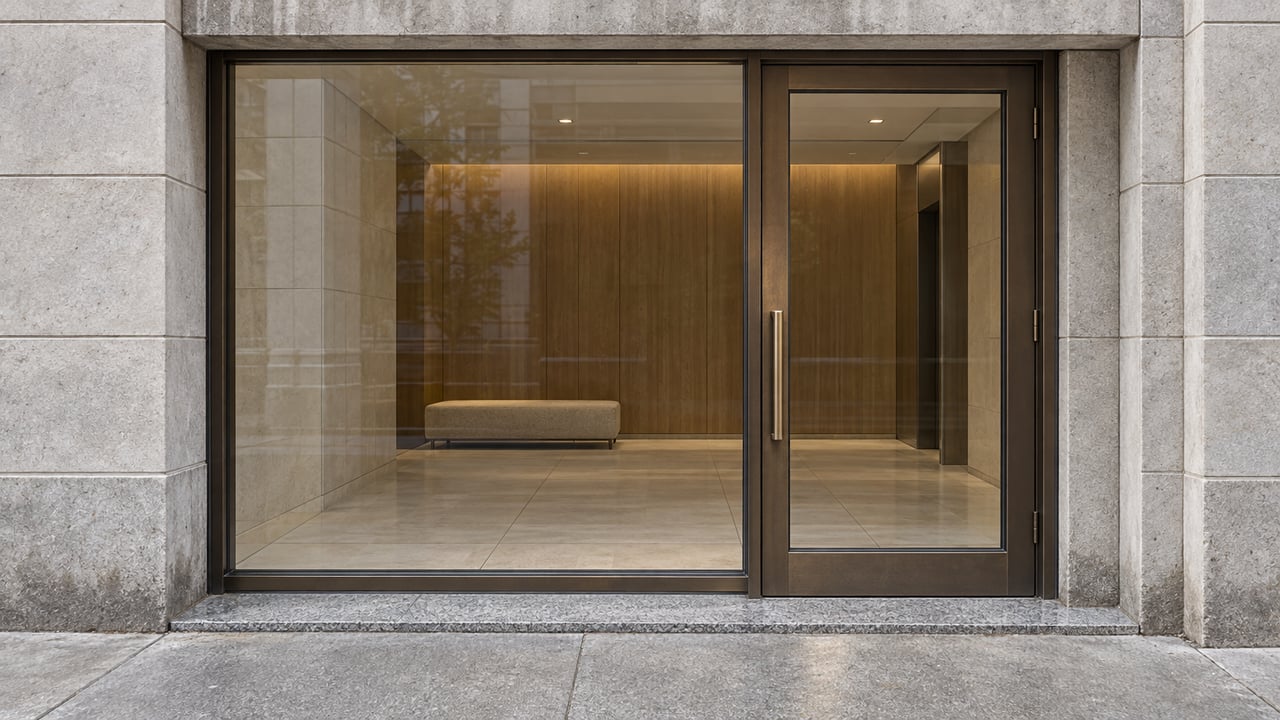
- Services and logistics. Confirm move‑in rules, elevator access, doorman or concierge staffing, package handling, and on‑site or cellar storage. For pied‑à‑terre owners, these details define how easily you can arrive and lock-and-leave.
- Noise and neighborhood context. Review recent 311 complaint trends and understand street‑level uses nearby. The city’s Noise Code resources explain enforcement and complaint tools, which can help you assess late‑night or delivery patterns.
- International buyers. Discuss ownership structure, potential U.S. estate tax exposure, and later sale implications under FIRPTA with a qualified cross‑border tax attorney. The IRS provides FIRPTA guidance to frame the conversation.
Choosing your block
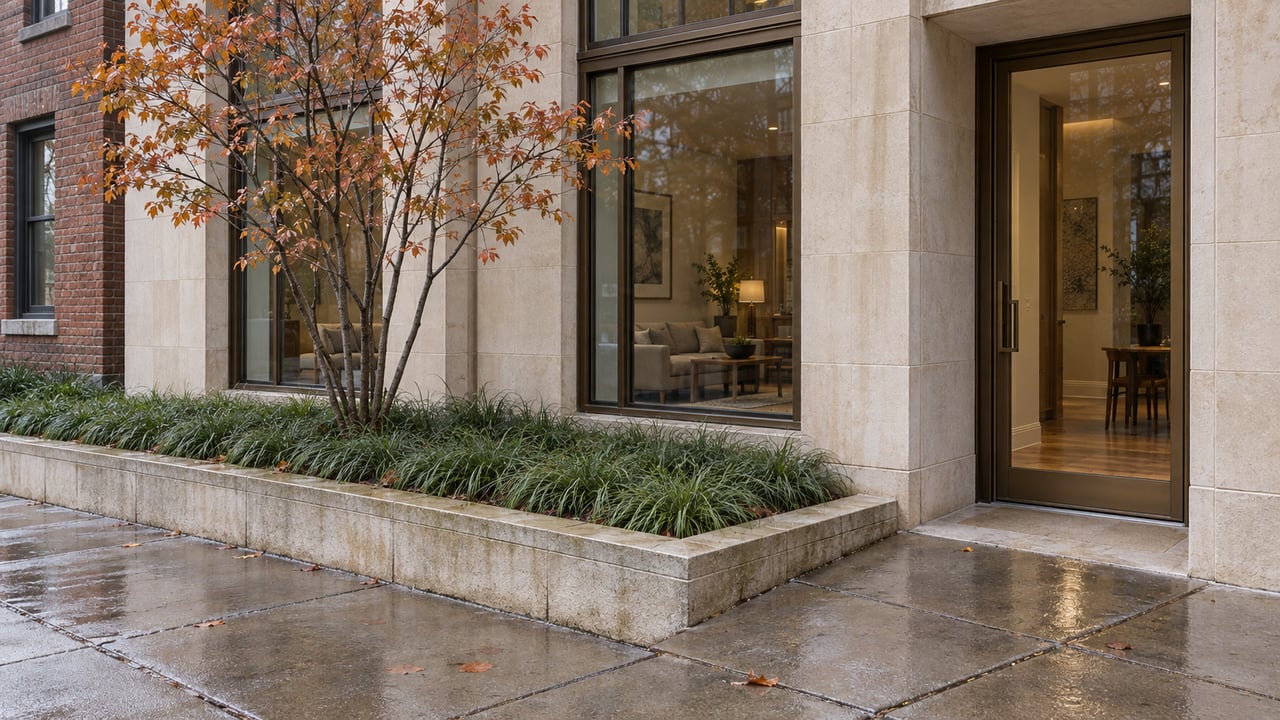
SoHo is small, and the feel of each block matters. Cobblestoned lanes with cast‑iron facades draw many buyers who want the classic loft aesthetic. Side streets and upper floors can deliver more privacy than heavily trafficked storefront corridors. If you host often, look for buildings with reliable elevator service and clear delivery and guest policies. When in doubt, visit at different times of day to understand light, noise, and foot traffic.
To go deeper on the neighborhood fabric and preservation context, the Landmarks Commission’s SoHo–Cast Iron Historic District report is a helpful primer on streetscapes and building types.
Work with a trusted team
A SoHo pied‑à‑terre is a lifestyle choice and a legal-financial project. You want a partner who understands loft law, board expectations, luxury financing, and building compliance, and who can streamline your process from first tour to board approval. The Gladstone Karadus Team delivers white‑glove Manhattan expertise with board‑package management, polished marketing, and international fluency, plus seamless city‑to‑country support if a Hudson Valley retreat is also on your horizon.
Thinking about next steps or a private list of pied‑à‑terre‑friendly buildings? Schedule a conversation with the Gladstone Karadus Team.
FAQs
What is a pied-à-terre in NYC and is it allowed in SoHo?
- A pied‑à‑terre is a residence you use part‑time while maintaining a primary home elsewhere; in SoHo, it is allowed but each building sets its own rules on non‑primary use, so you must confirm board policy before you buy.
Are short-term rentals like Airbnb legal in a SoHo pied-à-terre?
- Short‑term rentals are tightly limited by New York City’s Short‑Term Rental Registration Law; many entire‑apartment short‑term stays are not permissible, and buildings can block registration, so review Local Law 18 guidance and your building’s rules.
How does the Loft Law affect buying a SoHo apartment?
- Some SoHo buildings are or were IMDs under the Loft Law, meaning they needed legalization before full residential use; verify the certificate of occupancy and check Loft Board resources for any active matters before you proceed.
Is a condo or a co-op better for a SoHo second home?
- Condos are usually more flexible for non‑primary owners, while co‑ops often restrict pieds‑à‑terre and demand higher liquidity; review this condo vs co‑op overview and confirm each building’s policy.
What closing taxes should I expect on a 2 million dollar SoHo purchase?
- Budget for New York State’s additional tax on $1M+ sales (commonly called the mansion tax) and New York City’s transfer tax; rates are tiered by price, so use the state’s official mansion tax page and confirm current city rates with your attorney.
I’m an international buyer. Does FIRPTA affect me when I buy or sell?
- Buying does not trigger FIRPTA withholding, but selling later as a foreign person can; review the IRS FIRPTA guidance and consult a cross‑border tax attorney on ownership structure and filings.
What building issues can lead to future assessments in SoHo?
- Facade inspection and repair cycles under FISP/Local Law 11 and emissions compliance under Local Law 97 can drive capital projects, so ask for plans, budgets, and any open violations during diligence.