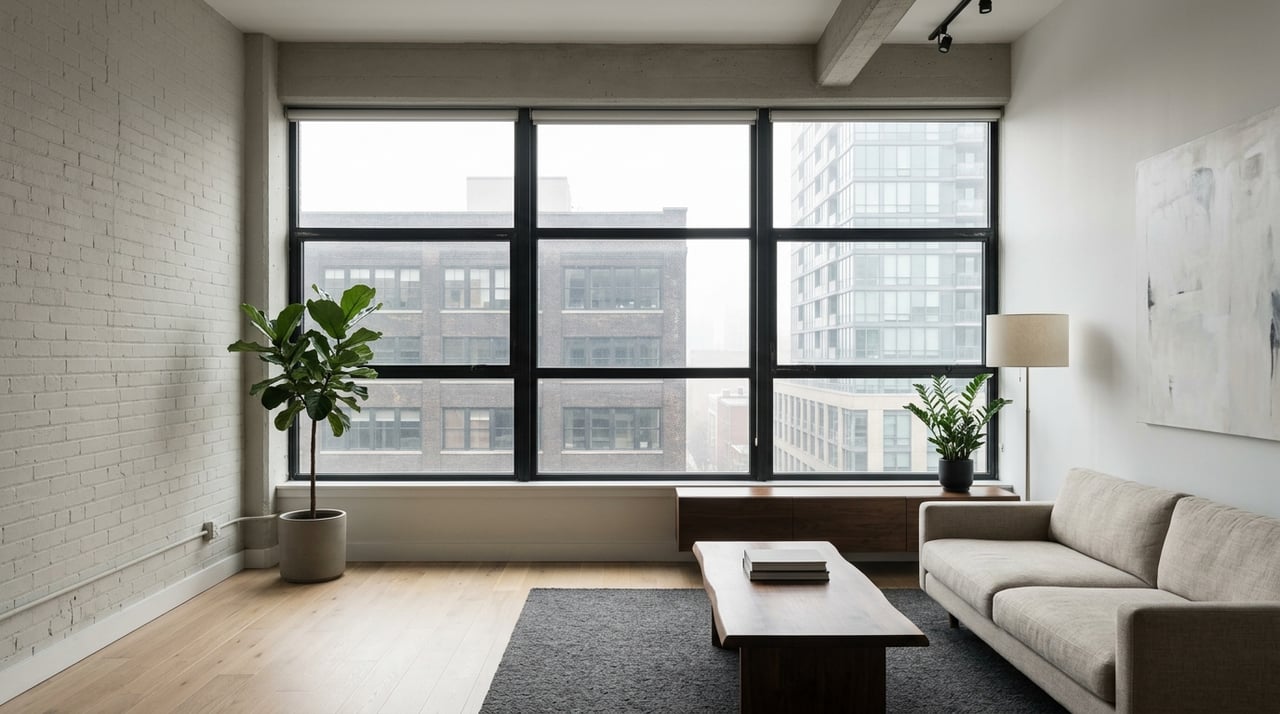
Living in Chelsea Manhattan: Art, Architecture & Lifestyle
Looking for a Manhattan neighborhood where art is not just something you visit, but something you live around every day? Chelsea stands out for exactly that reason. If you are drawn to beautiful buildings, walkable streets, and a lifestyle shaped by culture, parks, and strong transit access, this neighborhood offers a rare mix of history and momentum. Let’s dive in.
Chelsea works on two levels at once. It has a long-established residential core, and it also functions as one of New York City’s most visible cultural districts. That balance is part of what makes the neighborhood feel so distinct.
Landmarks reports describe Chelsea as a place built in layers, from early 19th-century residential streets to an industrial waterfront and, later, an arts and transit corridor. In practice, that means your day might include historic row houses, converted loft buildings, gallery-filled blocks, and a walk through public green space, all within the same neighborhood.
In West Chelsea, art is especially woven into the street experience. A 2025 city planning report says the area contains about 290 galleries, concentrated west of Tenth Avenue between West 18th and West 27th Streets. That concentration helps explain why Chelsea is widely recognized as New York City’s largest arts district.
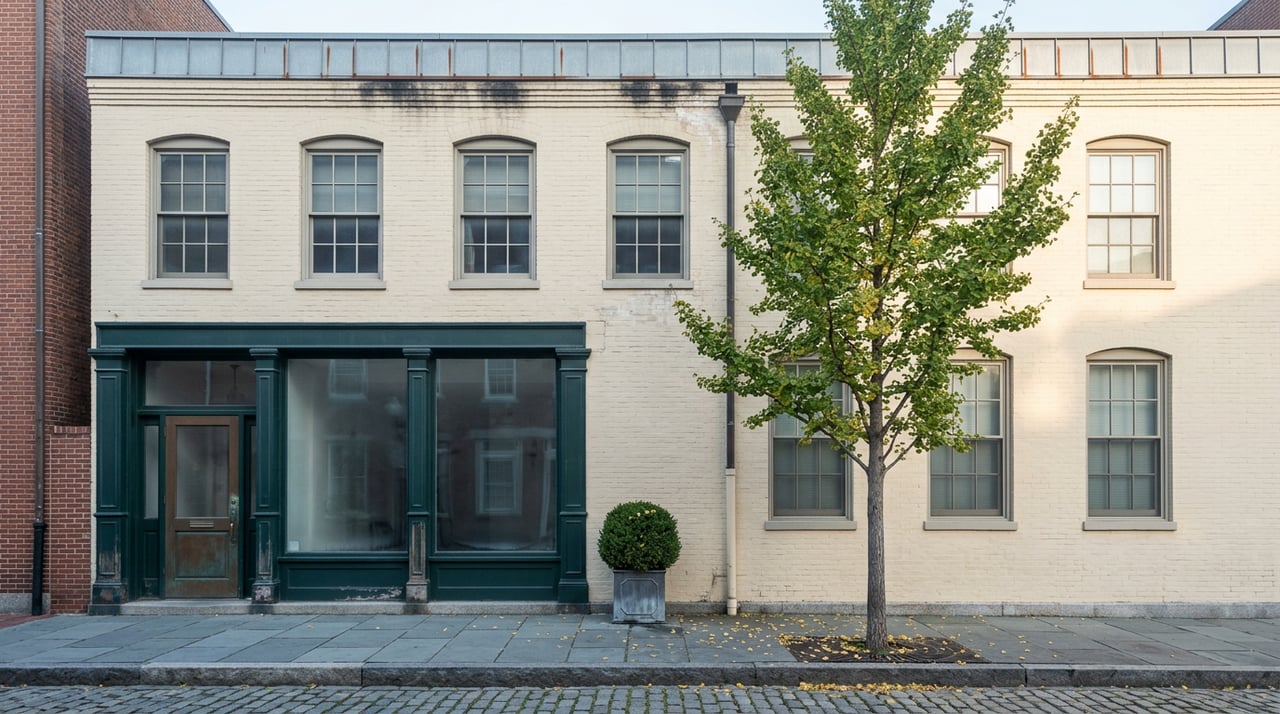
Chelsea’s architecture gives you a clear sense of how the neighborhood evolved over time. The eastern portion reflects its earlier residential identity, while the western side shows its industrial past and more recent reinvention. Together, they create a neighborhood that feels layered rather than uniform.
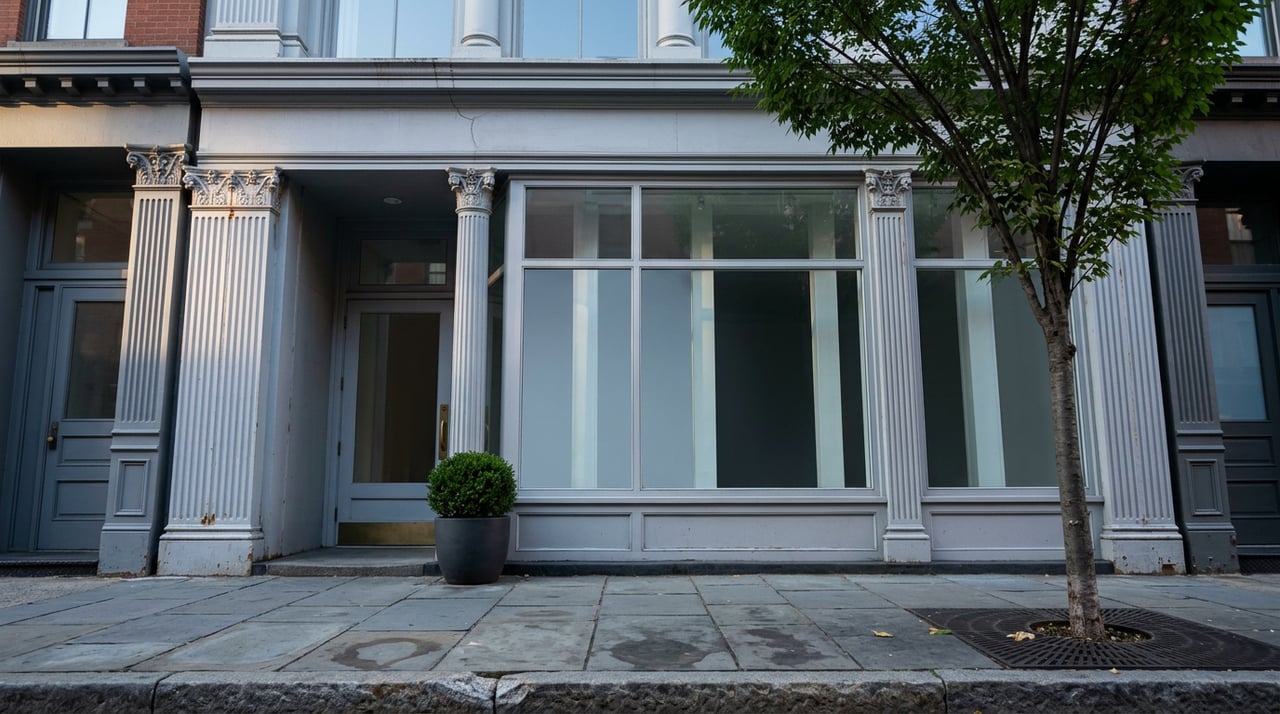
The Chelsea Historic District is known for its row houses, avenue commerce, and a more traditional residential rhythm. The Landmarks Preservation Commission highlighted features such as deep front gardens, Greek Revival and Italianate row houses, and a park-like seminary block that still shape the area’s visual identity.
These details matter if you value blocks with a consistent streetscape and a strong architectural backdrop. Chelsea’s historic housing stock can feel intimate and highly detailed, even within a busy part of Manhattan.
West Chelsea developed very differently. Landmarks reports describe it as a district of warehouses, manufacturing buildings, and freight-oriented structures, including early modernist industrial landmarks like Starrett-Lehigh.
That history still shows up in the built environment. Many of the neighborhood’s art spaces are embedded in former industrial buildings and converted lofts, which is part of why the gallery scene feels so connected to everyday street life instead of set apart from it.
Planning documents point to a broad range of housing forms across Chelsea. The strongest shorthand is this:
For buyers, that range creates real choice. You can be drawn to prewar detail, loft-style volume, a classic walk-up, or a newer building experience, depending on how you want your home to feel and function.
Chelsea’s cultural identity is one of its clearest defining traits. But what makes it especially compelling is that the art scene does not sit outside daily life. It is folded into the neighborhood’s blocks, buildings, and public spaces.
A Landmarks report from 2008 described West Chelsea as a thriving district for galleries and art-related businesses, with more than half of the district’s buildings dedicated to those uses at the time. It also noted that the Chelsea Arts Tower at 543 West 25th Street was developed in response to gallery demand.
That long-standing momentum has only deepened Chelsea’s identity. The Whitney describes the neighborhood as known for art galleries, cultural organizations, and educational institutions, placing the High Line and surrounding public art within the same neighborhood fabric.
For you as a resident or buyer, that can shape the pace and feel of everyday life. A casual walk may lead past exhibition openings, large-scale installations, and streets that feel visually active even when you are simply heading home or meeting friends.
Chelsea is one of those neighborhoods where daily routines can happen largely on foot. Parks, food destinations, recreation, and transit all sit close together, which helps make the area feel both convenient and engaging.
The High Line is more than a major attraction. It is a 1.45-mile elevated public park built on a former freight rail line, stretching from Gansevoort Street to West 34th Street.
It supports more than 450 public programs each year, and High Line Art has featured over 120 artists. The planting palette includes more than 350 species, which adds another layer to the neighborhood’s visual texture.
For residents, the High Line can be part of an ordinary routine, not just a weekend plan. It offers a distinctive way to walk north and south while staying connected to Chelsea’s architecture, public art, and changing skyline views.
Chelsea Market plays a different but equally important role in daily life. The former National Biscuit Company factory now serves as a food and retail destination and reports about 6 million visitors annually.
That level of activity speaks to its reach, but for locals it is also a familiar neighborhood anchor. It adds convenience, energy, and a strong sense of place within a building that reflects Chelsea’s industrial history.
Chelsea’s western edge expands the lifestyle equation. Chelsea Piers is a major sports and recreation destination, and Hudson River Park’s Chelsea area includes the Chelsea Waterside play area, a dog park, adult fitness equipment, and other open-space amenities.
If you value access to movement and outdoor time, this part of the neighborhood matters. It gives Chelsea a rhythm that combines urban density with access to recreation and waterfront space.
Chelsea’s lifestyle is closely tied to how easy it is to get around. The neighborhood performs well on measures that matter to people who want to walk, bike, or use transit as part of a normal day.
According to the NYC Health neighborhood report, 94% of residents live within walking distance of a park. The same report says 80% live within a quarter-mile of a subway station entrance.
Bike access also plays a role. The report cites bike-lane coverage of 32% and monthly bicycle use of 23.8%, reinforcing Chelsea’s reputation as a neighborhood that supports active transportation.
For buyers and renters alike, those numbers help explain why Chelsea often feels easy to navigate without relying heavily on a car. That can influence everything from commuting patterns to how often you use nearby parks and public space.
A common question is whether Chelsea is mostly residential or mostly cultural. The best answer is that it is both. That mix is not accidental. It is part of the neighborhood’s long evolution and one of the main reasons it continues to attract people who want a home base with character and convenience.
The residential side is grounded in historic blocks, walk-up buildings, and established streetscapes. The cultural side comes through galleries, institutions, adaptive reuse, and public-facing art. Neither one cancels out the other.
That balance can be especially appealing if you want a neighborhood with texture. Chelsea offers a lived-in residential core, but it also gives you a sense that something is always happening just a few blocks away.
Chelsea’s waterfront access is a real lifestyle advantage, but it also comes with practical considerations. The Chelsea-Clinton climate report says 61.3% of residents live in a hurricane evacuation zone.
That does not define the neighborhood, but it is part of understanding it clearly. If you are considering a move within Chelsea, it is helpful to weigh the benefits of waterfront proximity alongside local climate and preparedness realities.
Chelsea tends to appeal to people who want more than one thing from a neighborhood. You may be looking for architecture with personality, a strong art presence, reliable transit, or a daily routine built around walking and public space.
The neighborhood’s documented housing stock also supports different kinds of preferences. Historic row houses, loft conversions, walk-ups, and newer developments each offer a different version of Chelsea living.
For many buyers, that is the real advantage. Chelsea does not ask you to choose between residential calm and cultural energy. It lets you live with both.
If you are thinking about buying or selling in Chelsea, working with advisors who understand Manhattan luxury housing, architectural nuance, and lifestyle-driven decision-making can make the process far more strategic. The Gladstone Karadus Team offers white-glove guidance shaped by deep Manhattan market expertise and a highly personalized approach.
Gladstone Karadus Team is dedicated to helping you find your dream home and assisting with any selling needs you may have. Contact them today for a free consultation for buying, selling, renting or investing in New York.

220 W 19TH ST FL 5 NEW YORK NY 10011