
Chelsea Condos And Co-ops: How To Choose The Right Fit
Choosing between a condo and a co-op in Chelsea is not just a technical decision. In this part of Manhattan, the ownership type can shape everything from your buying timeline to your monthly costs and even how you use the apartment over time. If you are weighing options in Chelsea, this guide will help you understand the tradeoffs, match them to your goals, and narrow in on the right fit for your next move. Let’s dive in.
Chelsea offers an unusually wide range of housing types for Manhattan. According to New York City planning materials, West Chelsea was shaped to support residential growth, arts-related uses, and preservation of the High Line as public open space.
That mix helps explain why your search may include historic low-rise buildings, loft and warehouse conversions, and newer residential towers in the same neighborhood. Chelsea’s built environment also reflects a combination of lower-scale historic blocks and larger industrial buildings, creating a market where ownership structure often matters just as much as finishes or square footage.
If you are comparing homes here, you are not simply picking between two legal forms. You are often deciding between two different lifestyles, two different approval processes, and two different levels of flexibility.
A condominium gives you deeded ownership of a specific unit plus an undivided interest in the building’s common elements. The New York State Attorney General notes that condo owners hold real property, pay their own real estate taxes, and also pay monthly common charges for building operations.
In practical terms, that usually means a more straightforward ownership structure. If you are used to thinking in terms of direct ownership, a condo often feels more familiar.
A co-op works differently. Instead of buying real property directly, you buy shares in a corporation, and those shares are tied to a specific apartment through a proprietary lease, as outlined by the New York State Attorney General.
That structure affects how the building is governed and how costs are billed. In most NYC co-ops, property taxes are included in the monthly maintenance rather than billed separately to each owner.
In a co-op, the board plays a larger role in building governance. The Attorney General explains that co-op boards operate under bylaws, proprietary leases, and house rules that can address issues such as meetings, elections, sublets, and day-to-day policies in the building.
For some buyers, that structure is a benefit. It can create a more defined owner-occupant culture and a more established set of expectations. For others, it can feel restrictive, especially if flexibility matters.
The NYAAREA buyer guide explains that condo applications are generally less formal and do not usually involve a routine board interview. Co-op purchases, by contrast, often require a more detailed review and an interview with the board or an interviewing committee.
If speed and simplicity are high on your priority list, that difference can matter. In a neighborhood like Chelsea, where buyers may be balancing work schedules, second-home plans, or relocation timing, a less intensive process can be appealing.
One of the biggest lifestyle distinctions is how each building type treats subletting. The NYAAREA guide notes that many co-ops are oriented toward primary residence use and usually require board approval for sublets, while condos are generally more flexible for subletting and part-time ownership.
That does not mean every condo is the same or every co-op is strict. It does mean you should review the specific building rules carefully, especially if you may want to rent the apartment in the future or use it only part time.
Monthly costs can look different even when total ownership costs are closer than they first appear. In a co-op, maintenance generally includes the building’s property taxes. The NYC Department of Finance class 2 guide states that co-op owners do not receive the building’s tax bill directly because the board receives it and allocates taxes through common charges.
With a condo, owners typically pay their own property taxes separately and also pay monthly common charges. When you compare listings, it is important to understand what is bundled and what is not.
Chelsea buyers should also be aware of the NYC co-op and condo property tax abatement. The Department of Finance says applications are submitted by the board or authorized agent, and current guidance lists benefit levels ranging from 28.1% at lower average assessed values to 17.5% for higher average assessed values.
That does not make one option automatically better than the other. It does mean that carrying costs should be evaluated building by building, with current tax treatment in mind.
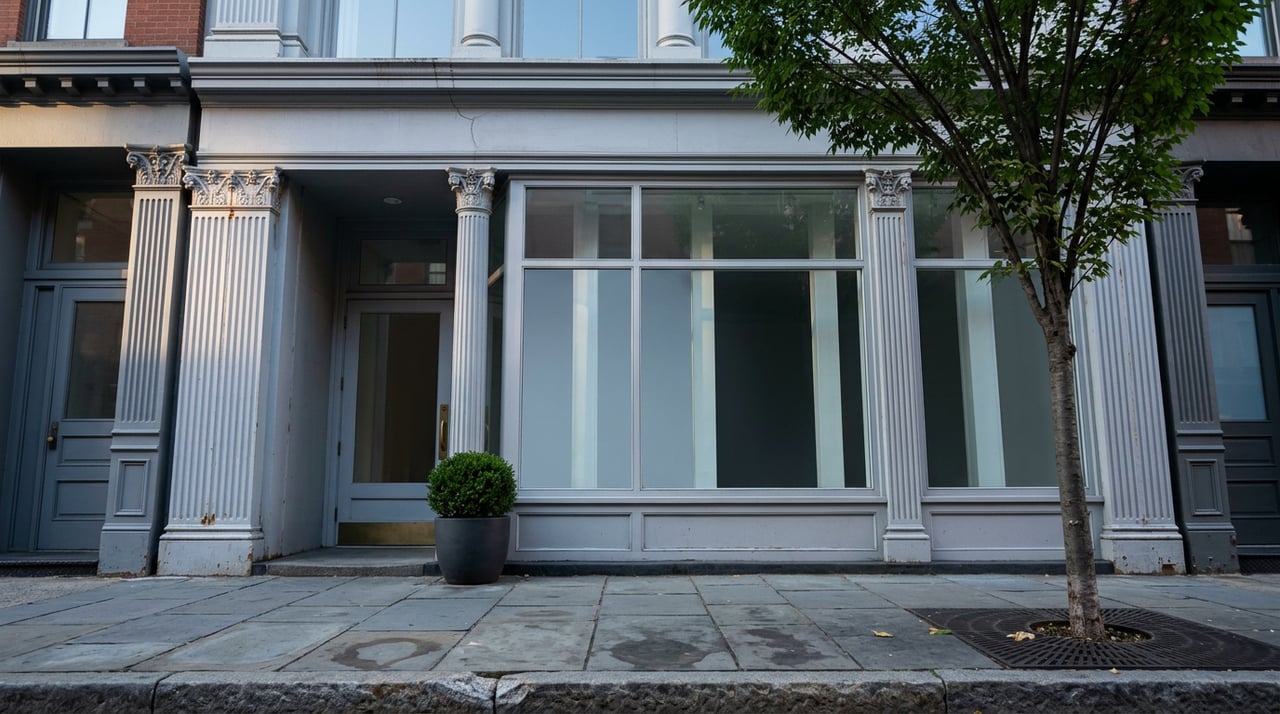
Chelsea includes many lower-scale historic blocks and older residential buildings. City planning materials describe the area’s transition to the Chelsea Historic District, which helps explain why buyers still find prewar-feeling homes and smaller-scale buildings in parts of the neighborhood.
These buildings often appeal to buyers who value character, proportion, and a more classic streetscape. In many cases, co-op ownership is common in this segment of the market.
Chelsea’s industrial history remains central to its identity. Historic district records and planning documents describe major warehouse buildings and galleries occupying converted loft buildings and former garages, making loft-style housing a defining part of the neighborhood’s appeal.
If you are drawn to volume, large windows, or converted industrial architecture, you may find strong options in this category. These homes are often where Chelsea’s co-op story feels especially distinctive.
Chelsea also has a meaningful collection of newer residential development. The city’s planning framework for West Chelsea anticipated new housing growth, including tower-on-a-base forms in selected areas.
For buyers who want newer systems, concierge services, and more contemporary layouts, condos are often the format most closely tied to this segment. That is one reason condo inventory can feel especially attractive to buyers seeking flexibility and modern amenities.
For many long-term end users, that combination can feel like the right match. If you appreciate structure and are buying with a long horizon, a co-op may align well with your priorities.
For many buyers, especially those who value optionality, a condo offers a smoother path. That can be important in Chelsea, where work, travel, and lifestyle needs are often part of the purchase decision.
The New York State Attorney General advises buyers to read the offering plan carefully and review board minutes and financial reports, especially in existing or converted buildings. In Chelsea, that step is especially important because the neighborhood includes everything from older stock to conversions to recent development.
A beautiful apartment can still sit inside a building with rules, finances, or physical issues that deserve closer review. Looking beyond the unit itself can help you make a more confident decision.
If you are considering new development or a conversion, the NYC Department of Buildings recommends closing with a final Certificate of Occupancy rather than relying on a Temporary Certificate of Occupancy. The agency warns that if a temporary certificate expires and is not renewed, it may become difficult or impossible to insure, sell, or refinance the property.
That is a practical point with real consequences. In Chelsea, where newer buildings and conversion projects are part of the landscape, it deserves careful attention.
Co-op purchases typically require a board package that may include financial statements, tax returns, bank statements, reference letters, a contract, and a loan commitment letter if financing is involved, according to NYAAREA. Condo purchases are usually less formal and often move faster.
That difference can affect your strategy. If timing matters, your ownership type may influence how competitive and manageable the purchase process feels.
In Chelsea, your decision often comes down to how you want to live. If you want more structure, stronger owner-occupant orientation, and are comfortable with board oversight, a co-op may be the better fit. If you want more flexibility, simpler transfer mechanics, and easier part-time or rental potential, a condo may be the stronger choice.
Because Chelsea includes historic low-rise homes, loft conversions, and newer towers in close proximity, the smartest approach is to evaluate each opportunity building by building. The right fit is not just about the label. It is about how the ownership structure supports your goals today and over time.
If you are weighing Chelsea condos against co-ops and want discreet, tailored guidance, the Gladstone Karadus Team can help you evaluate building type, process, and long-term fit with a white-glove approach.






Gladstone Karadus Team is dedicated to helping you find your dream home and assisting with any selling needs you may have. Contact them today for a free consultation for buying, selling, renting or investing in New York.

220 W 19TH ST FL 5 NEW YORK NY 10011