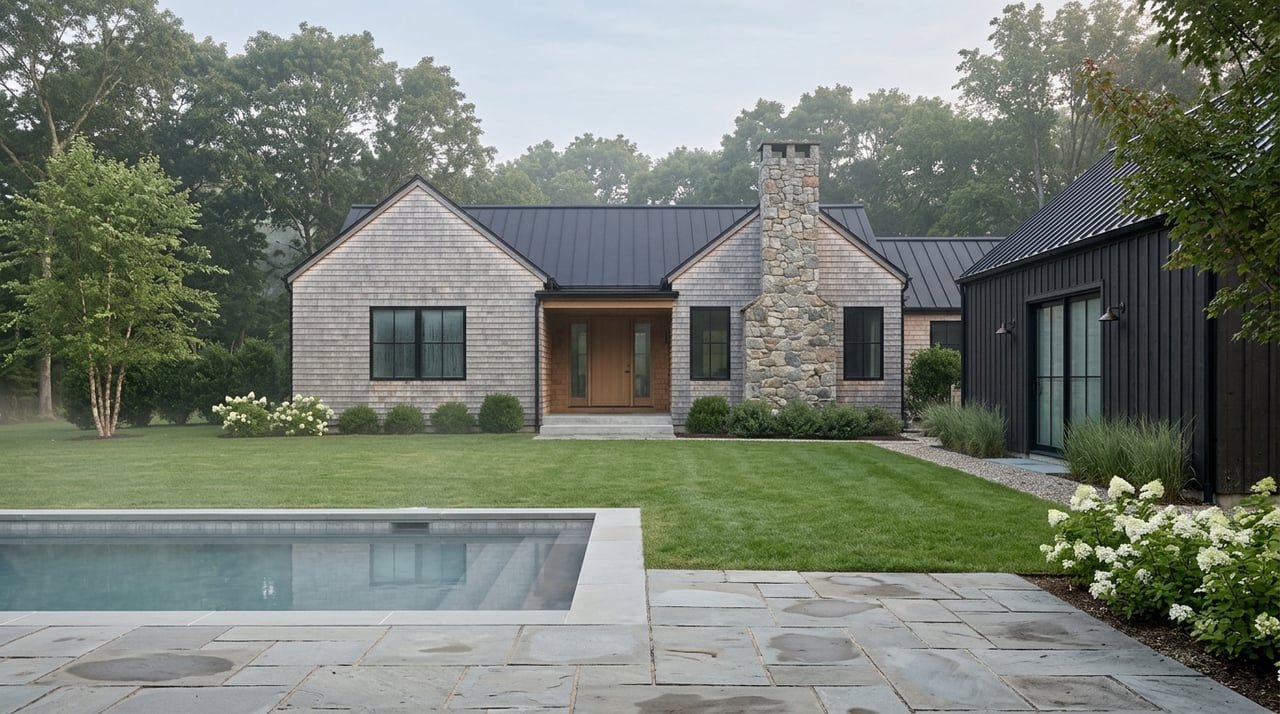
Designing A Putnam County Weekend Compound
What does a true weekend compound in Putnam County look like? It is usually less about sheer square footage and more about how land, access, privacy, and daily use come together. If you are searching for a retreat from New York City, Putnam offers a compelling mix of wooded parcels, lake settings, historic character, and practical commuting distance. The key is knowing how to design for the site you actually have, not the dream version on paper. Let’s dive in.
Putnam County sits roughly 56 to 58 miles north of New York City, which helps explain its long-standing appeal as a weekend destination. County and census data point to a largely residential landscape with one-family homes, country estates, condominiums, and seasonal dwellings, along with 116 lakes and ponds and about 8 miles of Hudson River shoreline.
That setting supports a retreat-minded way of living. In practical terms, Putnam can feel close enough for regular use while still offering a more landscape-driven experience than denser suburban markets. For many buyers, that balance is exactly what makes a weekend compound possible.
A successful compound plan in Putnam County begins with the site, not the structures. County documents show a pattern of low-intensity residential areas, wooded land, wetlands, and open space, especially farther north and along the Hudson River. That means larger parcels and estate-like settings often make more sense for a compound concept than tightly packed lots.
This is also a county where buildable land can be more limited than it first appears. Slopes, drainage, wetlands, and utility placement can shape what is actually feasible. A beautiful parcel may still require careful planning before you decide where a guest space, pool, garden, or studio should go.
One of the biggest mistakes buyers make is treating each feature as a separate decision. In Putnam, county health submittal requirements for a single-family residence call for details such as contours, driveway location, water supply, and any watercourses, ponds, lakes, or wetlands within 200 feet, along with a septic reserve area.
That is why the compound should be planned as one integrated program. If you want a main house, guesthouse, pool, tennis or sport court, parking area, and outdoor entertaining space, each one competes for the same usable ground. The best outcomes usually come from understanding those relationships early.
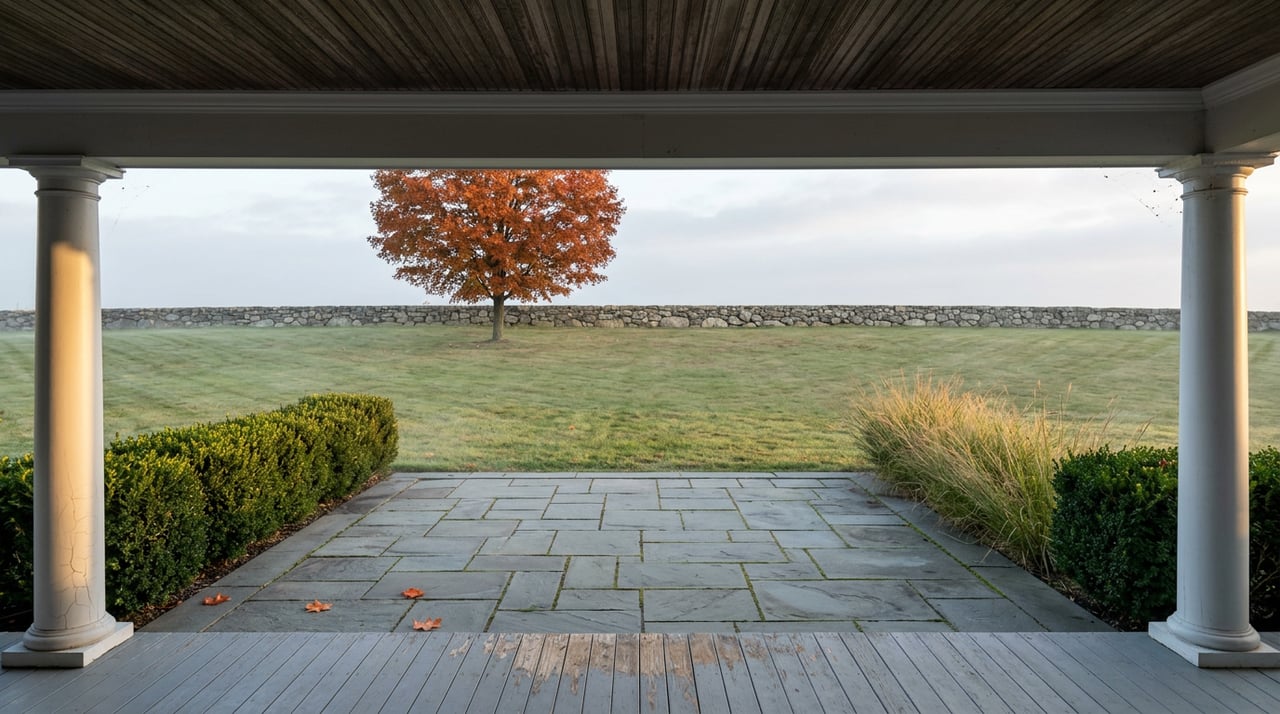
In many weekend homes, the land does as much work as the architecture. Putnam's appeal is tied to woods, water, and recreation, so your outdoor plan should feel intentional. Arrival sequence, terraces, lawns, shaded sitting areas, and trails across the property can shape the experience as much as the house itself.
This is especially important if you plan to entertain. A property that flows well outdoors often feels larger, calmer, and more useful, even without adding more built square footage.
Putnam County has a clear split between convenience and retreat. County reporting notes that commercial development is clustered along the Route 22 and I-84 corridor and Route 6, while more compelling estate settings are often farther from the main commercial spine.
That does not mean one choice is better. It means the right choice depends on how you will actually use the property. If you want quick errands and easier service access, a corridor-adjacent location may be more practical. If you want a stronger sense of escape, a more tucked-away setting may fit better.
Putnam is car-oriented, and county health data notes that transportation is a major concern locally. At the same time, the county benefits from Metro-North access on the Harlem Line at Brewster and Southeast and on the Hudson Line at Cold Spring, along with local PART transit options.
For a weekend compound, this matters more than buyers sometimes expect. If you are imagining frequent Friday night arrivals, guests coming separately, or occasional workday trips back to the city, travel patterns should be part of the design brief from day one.
The Taconic State Parkway is noted as a scenic, winding corridor through Putnam and the broader eastern Hudson Valley. That kind of approach adds to the county's retreat character. In other words, the drive is part of the lifestyle.
For some buyers, that emotional transition is a major part of the appeal. A compound in Putnam often works best when it feels like a destination, not just a second address.
One of Putnam County's strengths is its architectural range. Historic resources in and around places like Cold Spring and Garrison show a vocabulary that includes Gothic Revival, Italianate, Second Empire, Queen Anne, Colonial, and landscape-centered modernism.
That gives you real flexibility if you want a property that feels rooted in place. A weekend compound here does not have to follow one narrow style. It can lean historic and vernacular, or it can move in a more restrained contemporary direction that responds to the land.
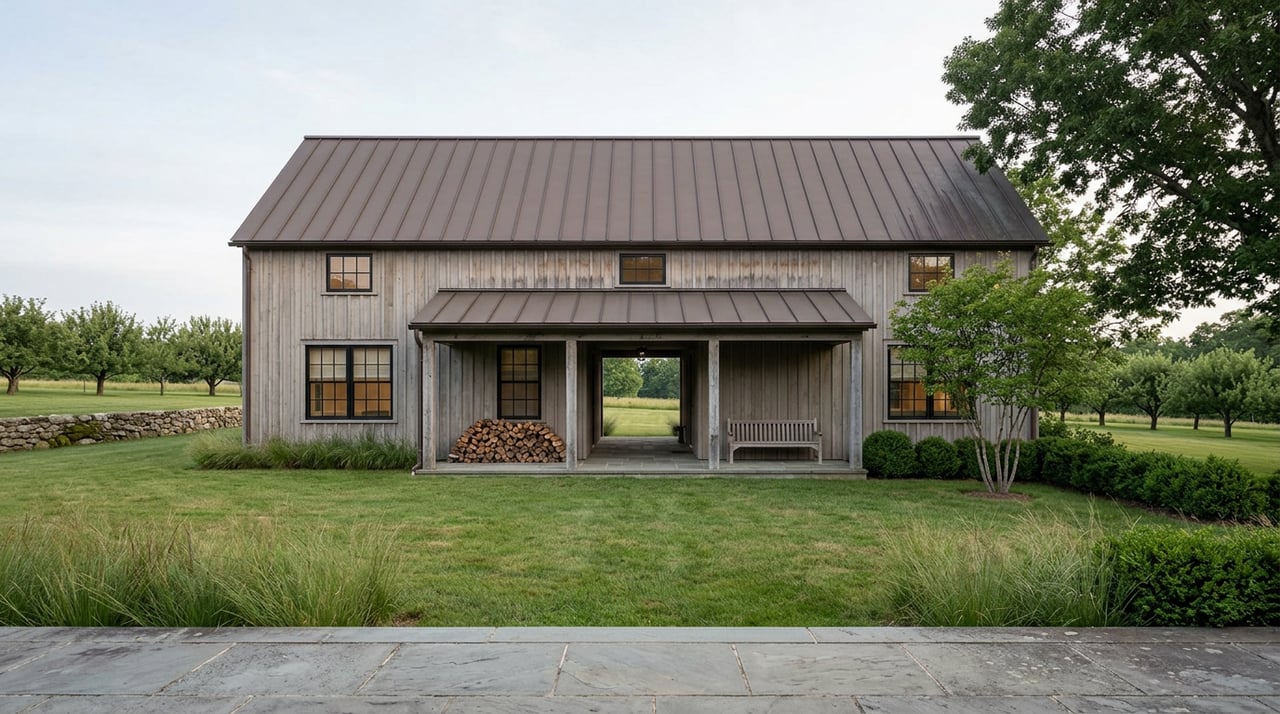
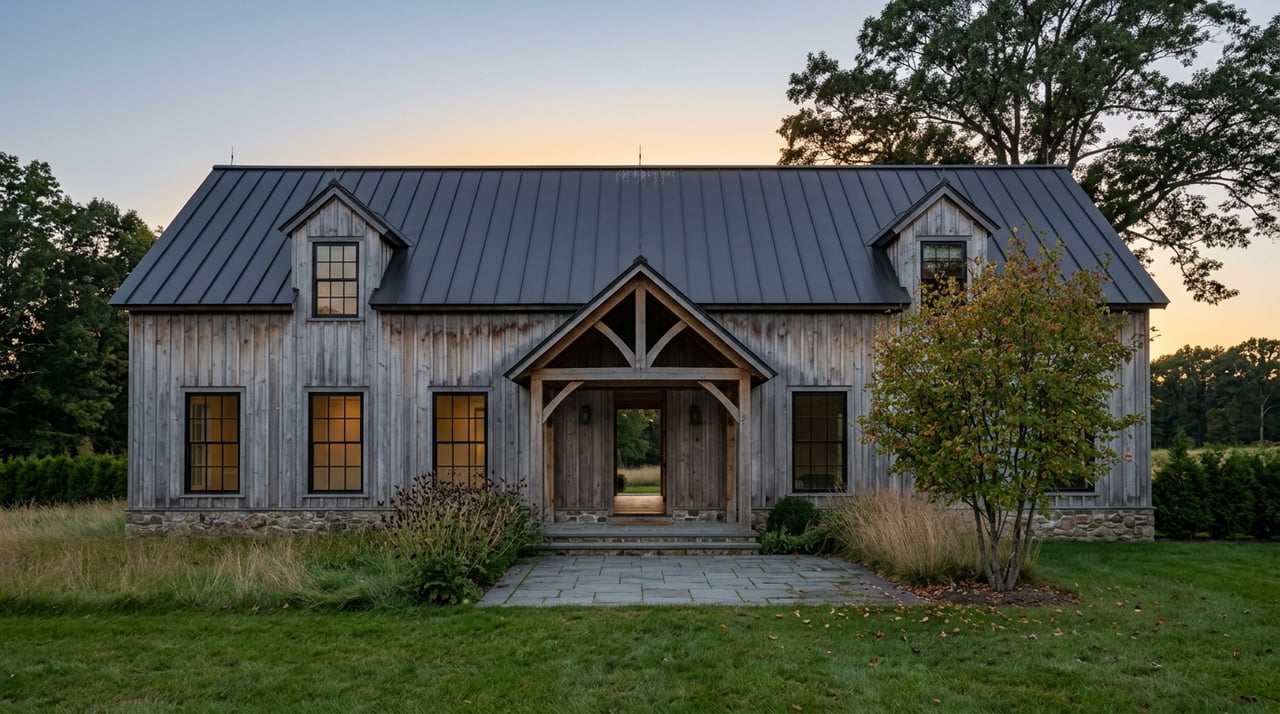
If you are drawn to a more classic estate feel, Putnam supports that language well. Wood-frame forms, brick details, simple gabled masses, and a relationship to gardens, stonework, and mature trees can all feel natural here.
This approach often works especially well on properties near historic hamlets or in settings where the landscape already carries a sense of age and texture. The goal is not to imitate history exactly, but to create something that feels settled and regionally appropriate.
Putnam also supports a more design-forward retreat. The example of Manitoga in Garrison reflects a modern, landscape-centered way of thinking where architecture and site are deeply connected.
For buyers interested in architect-designed homes, this can be a powerful direction. Large windows, careful siting, natural materials, and a stronger indoor-outdoor relationship can make a property feel quiet, refined, and specific to its terrain.
In Putnam County, water and wastewater are not side issues. The county sits within the Croton Watershed, part of the New York City Watershed, and county health officials note that land-development work centers heavily on water supply and wastewater treatment approvals.
Many properties rely on individual septic systems, though some public sewer districts exist in Carmel, Brewster, Cold Spring, and Southeast. For a compound buyer, that changes how you think about expansion, guest accommodations, and accessory structures.
If you hope to include guest quarters, detached work space, or future outbuildings, utility capacity matters. Septic reserve room can limit where additions or accessory uses can go, even on a seemingly generous parcel.
That is why a property should be evaluated not just for what exists today, but for what it can support over time. A compound that works beautifully for your first year should also have room for your next chapter.
The same is true for water supply and site drainage. County review requirements highlight the need to account for wells or public water, contours, and nearby water features.
That can influence home placement, driveway design, pool siting, and landscape strategy. In Putnam, utility planning is part of good design, not a technical detail to leave until the end.
A weekend compound should feel easy to own, not just beautiful to photograph. Putnam County health data points to a high burden of tickborne disease and notes that harmful algal blooms have been tied in part to dense residential septic systems around lakes.
For buyers, that means site stewardship matters. Wooded edges, drainage, lawn transitions, and shoreline care should all be treated as part of the property's long-term design and maintenance plan.
A polished property is not only about specimen trees and stone terraces. It is also about how comfortably you can move through it, how children and guests use it, and how much upkeep it requires between visits.
Simple choices can make a major difference, such as clearer walking paths, better sun and shade planning, managed edges, and outdoor gathering spaces that do not feel too far from the kitchen or main living areas. These decisions help the compound feel livable, not overly precious.
Putnam County supports the idea of a home base for weekends, not just a house with land. Clarence Fahnestock State Park offers hiking, picnic areas, camping, boating, hunting, fishing, and birding across about 15,000 acres in Putnam and Dutchess counties. Hudson Highlands State Park Preserve adds more than 70 miles of trails and access near Cold Spring and Garrison.
The county's agricultural planning also points to farm stands, u-pick experiences, horse riding, farm tours, and related rural recreation. That wider context adds value to the compound lifestyle because your property becomes part of a bigger weekend rhythm.
The strongest compound purchases often align the property with the region's natural offerings. If your weekends revolve around hiking, lake time, long meals outdoors, or hosting city friends for a reset, Putnam makes that easy to imagine.
That is also why design choices should support how you want to spend your time. A mudroom, outdoor shower, flexible guest area, equipment storage, and easy parking may matter just as much as a dramatic living room.
The most thoughtful buyers tend to approach Putnam County as both a design opportunity and a land-use decision. They understand that beauty, privacy, utility capacity, and access all need to work together.
They also avoid forcing a generic formula onto a very specific site. In Putnam, the best compounds are the ones that respond to the county's actual strengths: wooded land, water, architectural range, and a true city-to-country rhythm.
If you are considering a weekend property here, it helps to evaluate not just whether a home looks the part, but whether the site can support the way you plan to live. That is where experienced local guidance can make all the difference.
Ready to explore what a weekend compound could look like in Putnam County? The Gladstone Karadus Team brings a polished, place-based perspective to Hudson Valley country property and can help you identify opportunities that align with both lifestyle and long-term value.
Gladstone Karadus Team is dedicated to helping you find your dream home and assisting with any selling needs you may have. Contact them today for a free consultation for buying, selling, renting or investing in New York.
220 W 19TH ST FL 5 NEW YORK NY 10011