Prewar Or Postwar On The Upper East Side
Wondering whether a prewar or postwar apartment is the better fit on the Upper East Side? It is one of the most common questions buyers ask, and for good reason. In this part of Manhattan, building era often shapes everything from ceiling height and layout to monthly costs and day-to-day comfort. If you are weighing charm against convenience, this guide will help you compare the two with more clarity. Let’s dive in.
The Upper East Side is not one uniform housing market. Its inventory developed in layers, and that history still shows up in what you tour today.
The Park and Fifth Avenue core is known for stately co-ops and newer condos, while Yorkville to the east generally includes younger and more affordable housing stock. Historically, only a small number of luxury apartment buildings stood west of Lexington Avenue before 1910. East of Lexington, lower land values supported tenements, stables, and carriage houses, and large apartment-house development accelerated after the Lexington Avenue subway opened.
That mix helps explain why buyers on the Upper East Side often compare two very different styles of living within the same neighborhood. It also explains why your best choice is usually less about trend and more about how you want to live.
In New York City listing language, prewar usually means a building constructed before World War II. Postwar generally refers to buildings developed from World War II through the 1990s or around 2000.
On the Upper East Side, postwar often brings to mind midcentury white-brick and later red-brick apartment buildings, especially east of Lexington Avenue. Another useful shorthand is tenure. Many prewar buildings on the Upper East Side are co-ops rather than condos.
That does not mean every prewar apartment is the same or every postwar building offers the same experience. Still, these categories are helpful because they point to broad differences in design, layout, services, and ownership costs.
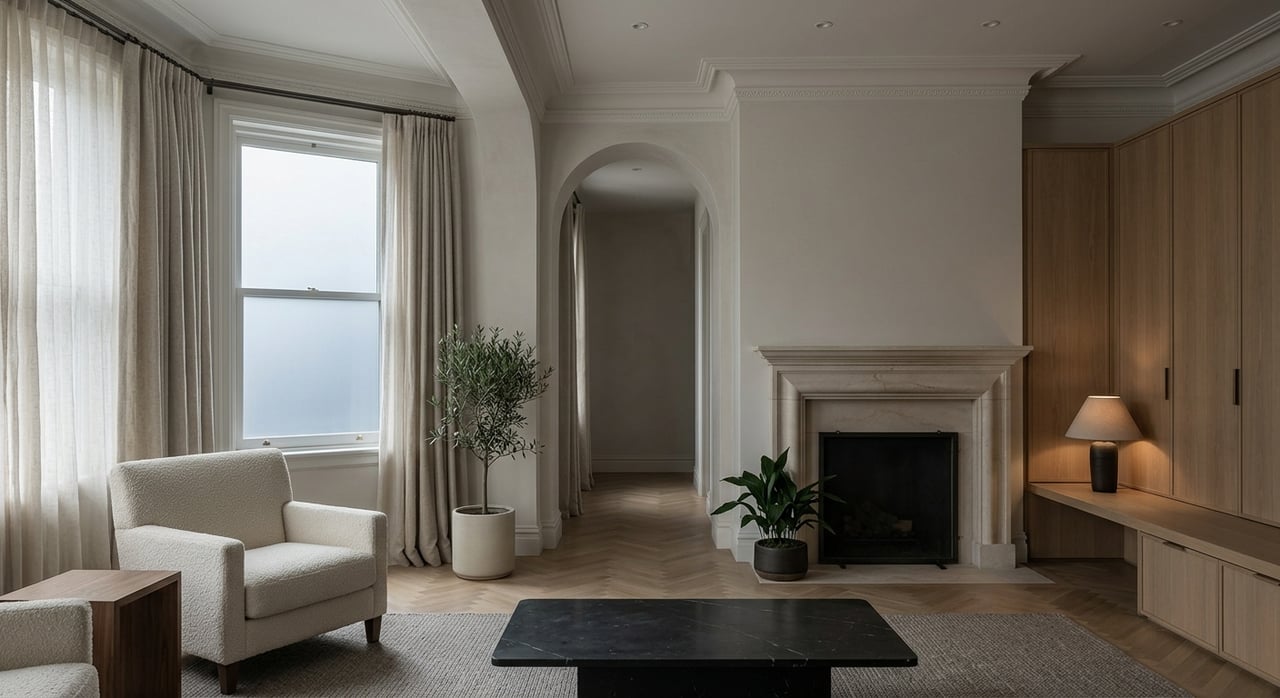
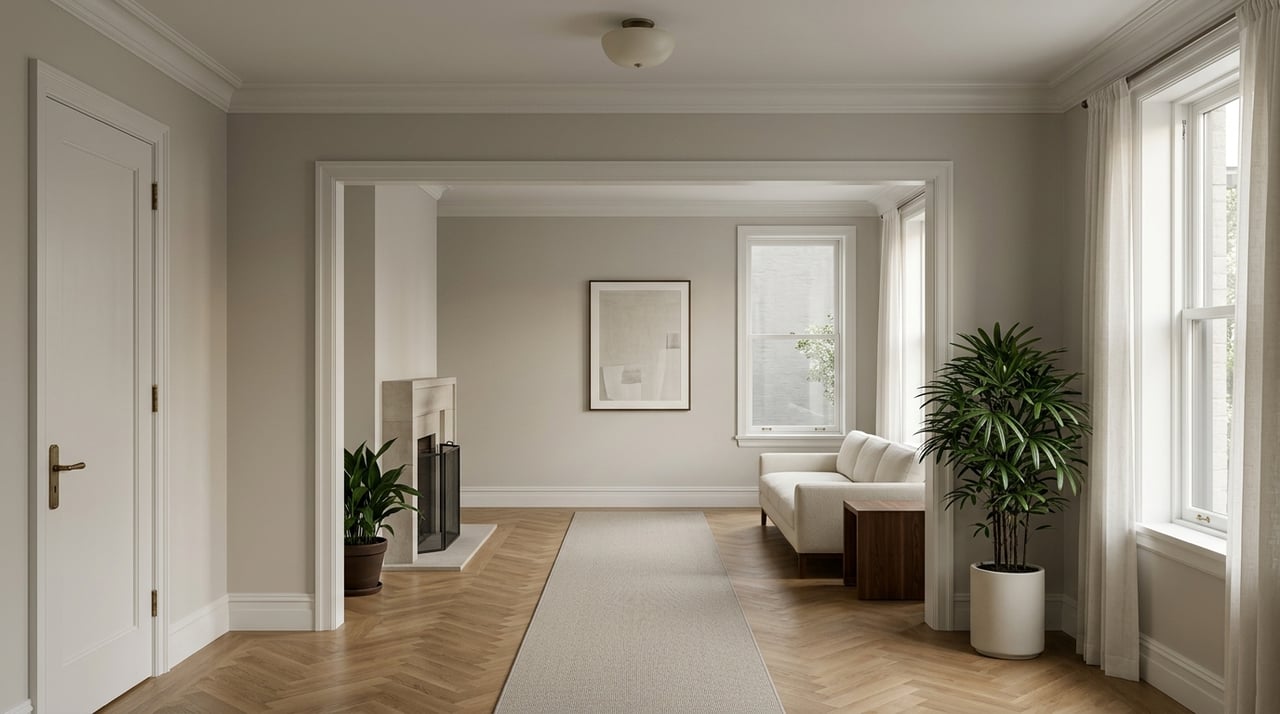
Prewar apartments are often the choice for buyers drawn to character and craftsmanship. They typically feature higher ceilings, larger rooms, detailed woodwork, crown moldings, ornate plaster, and big windows.
Many prewar layouts also feel more formal. You may find separate dining rooms, distinct entry galleries, and rooms with clearer separation between entertaining and private space. For some buyers, that classic structure is part of the appeal.
Prewar construction can also create a quieter interior feel. Plaster walls and poured concrete floors are often valued for sound insulation, though building quality still varies from one property to another.
The same qualities that make prewar apartments special can come with compromise. Closets are often smaller, in-unit washer-dryers are less common, and many buildings offer fewer amenities than later construction.
Older mechanical systems can also affect renovation scope and ongoing upkeep. If you love the look and scale of prewar space, it is wise to balance that romance with practical questions about systems, storage, and future work.
Postwar apartments tend to emphasize function over ornament. If your priority is ease, convenience, and a more streamlined daily routine, this category may feel more intuitive.
Buyers are more likely to find elevators, laundry rooms, gyms, outdoor space, parking, and more electrical outlets in postwar buildings. Windows, bathrooms, and elevators are also often larger than in prewar properties.
Layouts can be less formal and easier to reconfigure. That flexibility matters if you want a simpler floor plan, a more casual style of living, or the possibility of combining units down the road.
Postwar apartments do not always deliver the same architectural drama. Ceilings may be lower, walls may feel thinner, and rooms can have more constrained proportions.
You may also see less dedicated dining space and fewer decorative details. For buyers who care deeply about craftsmanship or classic New York architecture, some postwar homes can feel more practical than memorable.
One of the most important distinctions is not square footage on paper, but how the apartment feels when you are inside it. Prewar apartments often feel larger because of ceiling height, window scale, and room dimensions.
Postwar apartments may not have the same volume, but they can feel more efficient. A less formal plan can make everyday living easier, especially if you prefer open circulation over separate rooms.
The right question is not simply, “Which is bigger?” It is, “Which kind of space supports the way you live?” If you entertain formally, work from home, or need clear room separation, prewar may be compelling. If you want straightforward flow and practical use of space, postwar may be the better match.
On the Upper East Side, style alone does not determine comfort. Light and storage deserve their own attention.
StreetEasy notes that many newer high-rise buildings in the neighborhood can cast long shadows. That means exposure and floor height matter, even in a well-designed apartment. A beautiful home can feel very different depending on where it sits in the building and what surrounds it.
Storage also deserves a close read of the floor plan. Prewar apartments often devote less space to closets, so if you need substantial storage, it is worth comparing closet count and size rather than assuming the larger-looking home will function better.
Many buyers assume prewar means higher monthlies or postwar means lower ownership costs. On the Upper East Side, that is too simple.
Monthly carrying costs depend as much on whether the property is a co-op or condo as they do on building era. According to New York City’s Department of Finance, co-op boards receive the building property-tax bill and allocate those taxes through common charges, while condo owners handle tax treatment at the unit level.
In practice, that means you should compare the full monthly stack, not just the advertised maintenance or common charge. Staffing, amenities, and taxes can all change the real cost of ownership.
Broadly speaking, co-ops tend to be about 10 percent less expensive than condos. Postwar apartments have also often traded about 10 to 15 percent below comparable prewar apartments.
Older postwar buildings may have lower monthly charges, but that does not mean every postwar option is cheaper to own. Amenity-rich postwar and newer buildings can push monthly costs back up quickly.
A newer-looking building is not automatically the value play. The numbers only make sense when you evaluate purchase price and monthly obligations together.
There is no universal winner. Resale often follows buyer priorities.
Prewar apartments typically appeal to buyers who value craftsmanship, ceiling height, larger rooms, and a classic New York feeling. Postwar apartments often appeal to buyers who want services, function, and an efficient day-to-day layout.
On the Upper East Side, both preferences have a strong audience because the neighborhood offers meaningful inventory in each category. The better resale bet is usually the apartment that clearly delivers what its likely buyer wants, whether that is charm or convenience.
If you are choosing between prewar and postwar, it helps to compare them through your own lifestyle rather than through a fixed idea of prestige. The best apartment is the one that works for your routine, priorities, and tolerance for compromise.
Ask yourself:
These answers usually point you in the right direction faster than the label alone.
One reason buyers continue to return to the Upper East Side is that you do not have to choose one version of Manhattan living. You can find classic prewar scale, practical postwar layouts, newer condos, and a wide range of co-op options, often within a short walk.
That variety gives you room to be specific. Instead of asking whether prewar or postwar is better in general, you can focus on which building type best supports the life you want to lead in this neighborhood.
If you are exploring the Upper East Side and want tailored guidance on how building era, layout, and monthly costs affect value, the Gladstone Karadus Team can help you assess the options with a polished, highly personal approach.
Gladstone Karadus Team is dedicated to helping you find your dream home and assisting with any selling needs you may have. Contact them today for a free consultation for buying, selling, renting or investing in New York.

220 W 19TH ST FL 5 NEW YORK NY 10011