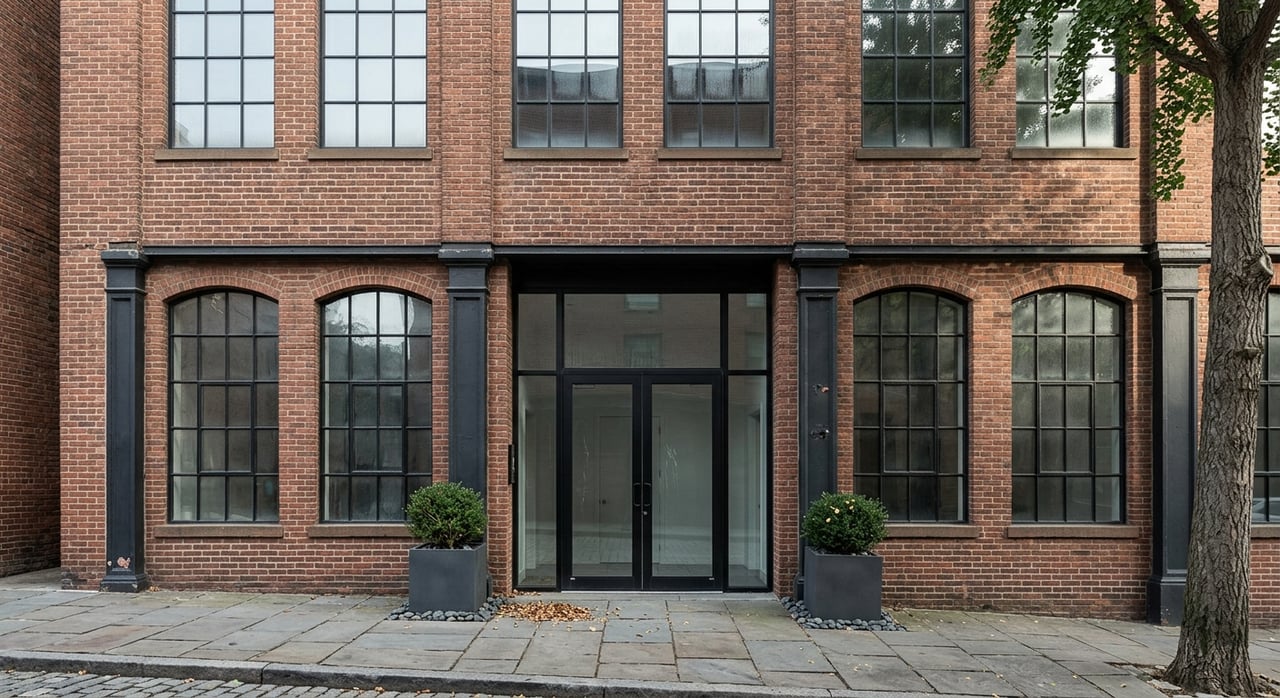
Strategic Offer Tactics For Tribeca Lofts
If you are making an offer on a Tribeca loft, price is only part of the story. In this market, two homes with similar square footage can trade at very different numbers because condition, building status, legal details, and timing all shape value. The good news is that a smart offer can help you compete without overreaching, and this guide will show you how to think through the details with more confidence. Let’s dive in.
Tribeca is not a one-size-fits-all market. Many buildings began as former store-and-loft structures, and a number sit within historic districts where exterior changes often require review by the Landmarks Preservation Commission.
That matters because your offer is not just about finishes and floor plans. You also need to weigh building condition, facade issues, window history, and whether prior alterations were handled properly.
Recent pricing shows how high the stakes can be. Redfin reported a March 2026 median sale price in Tribeca of $3.675 million with median days on market of 90, while PropertyShark reported an April 2026 median sale price of $3.4 million, median price per square foot of $1,786, and only 11 transactions.
In a submarket with so few monthly sales, one data point can be noisy. That is why offer strategy in Tribeca should be built on a wider view of the market, not a single headline number.
Price per square foot can be useful, but it is only a starting point. In Tribeca, buyers should compare several closed sales across multiple months and adjust for building type, floor, exposure, ceiling height, views, elevator service, and renovation level.
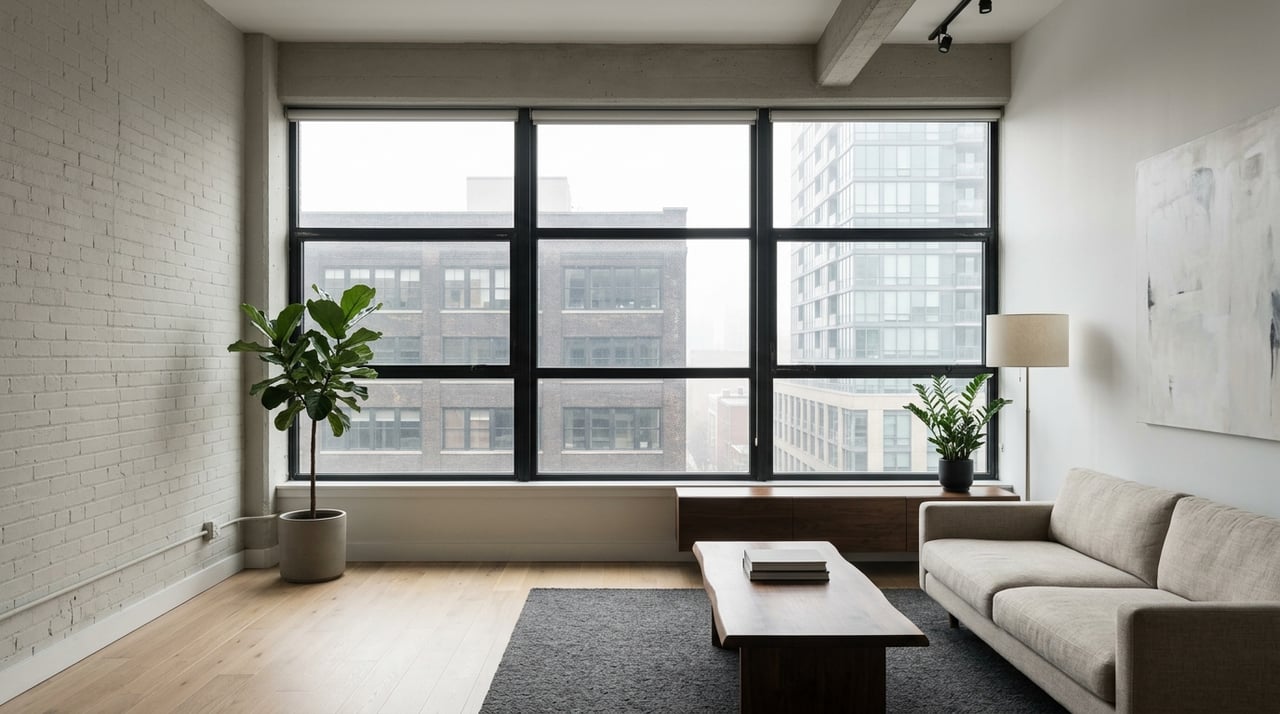
That is especially important because local inventory can include turnkey condos, co-ops, sponsor units delivered in white-box condition, and older lofts that may need substantial work. Those are not interchangeable assets, even when the square footage looks similar on paper.
Condition can create a major pricing gap. A renovated loft at 93 Worth Street #311 sold for $3,216,557 and was described as a double-height renovated loft with 21-foot ceilings and 1,515 square feet.
By contrast, 137 Duane Street #5D sold for $2,189,237 as an 1,850-square-foot white-box loft that required a full gut renovation and was listed as cash only with no board approval. On a rough per-square-foot basis, those examples come out to about $2,124 per square foot versus about $1,183 per square foot.
These are not direct comps, but they make the point clearly. A raw or partially improved loft should not be priced like a finished one, and your offer should reflect that.
In Tribeca, due diligence is part of pricing strategy. The New York State Attorney General notes that for resales, the offering plan may not be current or accurate, and if the seller is an individual owner rather than a sponsor, no offering plan is required.
The same guidance notes that board minutes and financial reports can reveal defects and upcoming repair costs. In practice, that means you should treat building documents as part of the comp process, not something you look at after agreeing on price.
A loft that appears well priced at first glance may look different if the building has upcoming capital work, unresolved maintenance issues, or a history that affects future alterations. In a neighborhood with many older buildings, those details can materially change your comfort level and your offer.
Asking prices can help you understand seller expectations, but they are not proof of value. In Tribeca, the safer move is to build your number from verified closed sales and then adjust for condition, layout, and building specifics.
That approach matters in a market where negotiation is common but deep discounts are not guaranteed. Redfin reported a 98.8% sale-to-list ratio in spring 2026, which suggests buyers may have room to negotiate, but should still stay realistic.
Contingencies can protect you, but they should be precise. The New York State Attorney General recommends reading the full offering plan and consulting an attorney before signing, and warns buyers not to rely on verbal promises or marketing language unless those points are written into the contract or rider.
For you, that means any inspection rights, contingency windows, renovation-related terms, or delivery promises should be clearly stated. A cleaner offer is often more persuasive, but only if your protections are still properly documented.
In a premium market with limited monthly deal volume, sellers often care as much about execution as they do about the top number. A fully underwritten lender file, solid proof of funds, and a realistic closing date can make your offer more compelling.
Flexibility may also help. If a seller needs a specific move-out timeline or asks for a rent-back arrangement, meeting that need may strengthen your position without requiring you to stretch as far on price.
Some Tribeca lofts fall under the jurisdiction of the NYC Loft Board. The Loft Board states that interim multiple dwelling buildings must be registered, and legalization requires Department of Buildings filings, permits, and compliance with fire and safety requirements.
If the building is under Loft Law jurisdiction, you should treat that as a separate diligence track. It can affect timing, compliance, cost expectations, and the practical ease of future work.
Historic district status is not just background information. The Landmarks Preservation Commission states that buildings in historic districts are protected under the Landmarks Law and that owners must obtain permits for most alterations, while ordinary repairs and many interior alterations are exceptions.
For Tribeca loft buyers, this matters if you are thinking about replacing windows, modifying visible exterior elements, adding a roof deck, or planning other exterior-facing changes. Those plans may require review before construction can begin.
If renovation potential is part of your buying decision, your offer should reflect that reality. A space that looks full of upside may also come with a longer path to approvals.
In Tribeca, your offer number should be viewed alongside your total acquisition cost. New York City imposes a Real Property Transfer Tax on sales and transfers, and for residential Type 1 and 2 transfers, the rate is 1% up to $500,000 and 1.425% above that amount.
New York State also imposes a 1% mansion tax on residential transfers of $1 million or more, and the state says the buyer pays that additional tax. In a neighborhood where many lofts trade well above that threshold, this is not a minor line item.
If you ignore closing costs until late in the process, you may end up revising your comfort range after negotiations are already underway. It is better to underwrite the full picture from the start.
If you want a concise framework, focus on these five steps:
In Tribeca, the strongest offer is usually not the most aggressive one on paper. It is the one that balances price with diligence, clarity, and a realistic path to closing.
When you are evaluating a Tribeca loft, details that might feel secondary elsewhere can become central here. Building history, legal status, condition, and execution quality all influence what a smart offer looks like.
That is why experienced guidance matters. If you are preparing to buy in Tribeca and want a discreet, data-driven strategy tailored to the specific loft and building, the Gladstone Karadus Team can help you approach the process with precision.
Gladstone Karadus Team is dedicated to helping you find your dream home and assisting with any selling needs you may have. Contact them today for a free consultation for buying, selling, renting or investing in New York.

220 W 19TH ST FL 5 NEW YORK NY 10011