
Choosing Between A SoHo Loft And A Luxury Condo
If you are torn between a classic SoHo loft and a luxury condo, you are not alone. In SoHo, that choice is about much more than style, because the neighborhood’s housing stock, historic protections, and legal building status can shape how you live, renovate, and close. Understanding those differences can help you make a smarter, more confident decision. Let’s dive in.
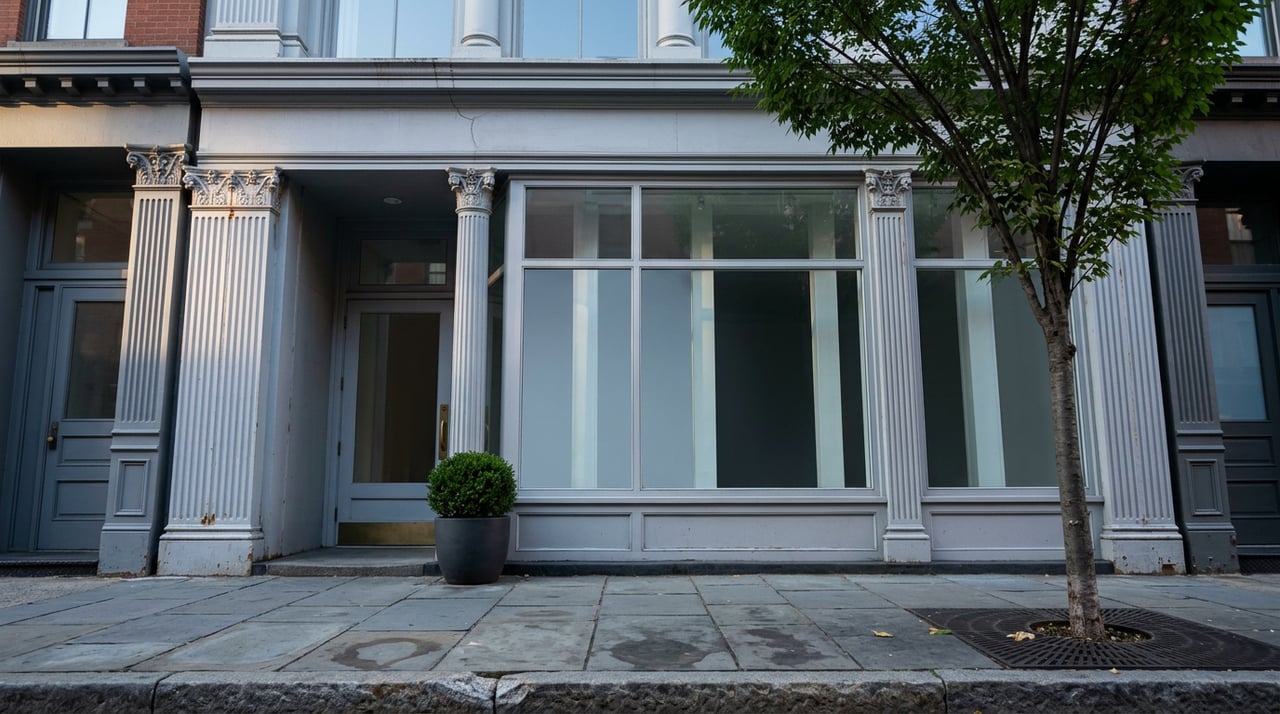
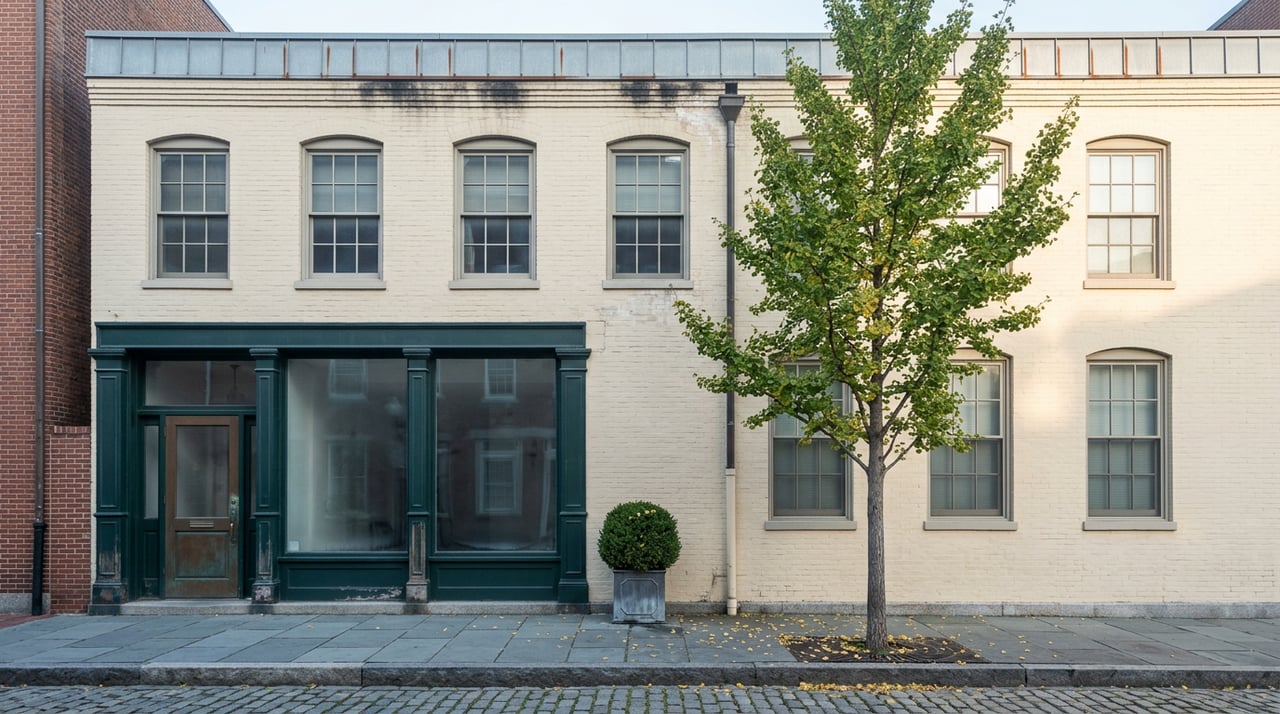
SoHo is not a typical condo neighborhood with rows of uniform residential towers. The SoHo-Cast Iron Historic District spans about 26 blocks and roughly 500 buildings, with the largest concentration of full and partial cast-iron facades in the world.
That historic building stock helps explain why the word loft can mean different things here. In practice, a SoHo loft may be a fully converted residential condo or co-op, a building still subject to Loft Board or Interim Multiple Dwelling rules, or a Joint Living-Work Quarters for Artists unit.
That distinction matters because two homes may both be marketed as lofts while offering very different ownership structures, renovation paths, and closing considerations. In SoHo, the better question is often not just “loft or condo?” but “what is this building’s exact legal and practical reality?”
A SoHo loft often appeals to buyers who want volume, character, and a less standardized home. Many of these spaces began as commercial or manufacturing buildings, so the layouts can feel highly individual compared with purpose-built residential buildings.
You may find expansive proportions, distinctive architectural details, and a layout that feels more open to interpretation. For some buyers, that flexibility is the entire point of buying in SoHo.
At the same time, loft living can require more investigation upfront. The term itself does not guarantee a simple residential setup, so you will want to confirm whether the unit is in a fully converted building or tied to loft-specific rules.
In SoHo, legal status is not a technical footnote. The NYC Loft Board regulates the legal conversion of certain lofts from commercial or manufacturing use to residential use, and DOB notes that new conversions to Joint Living-Work Quarters for Artists are no longer permitted in the Special SoHo-NoHo Mixed Use District, though some existing uses may continue.
That means a buyer considering a loft should verify exactly what type of unit they are purchasing. A home that looks like the perfect SoHo loft may come with a more layered approval or compliance history than a buyer expects.
A luxury condo usually offers a more standardized ownership structure. In New York, a condo buyer owns a separate real estate unit plus an undivided interest in the common elements.
That legal framework often makes it easier to compare one condo to another. The New York Attorney General notes that offering plans can spell out fixtures, recreational facilities, and in-unit amenities, and if an item is not promised in the offering plan, the sponsor is not required to deliver it.
For you, that can translate into greater clarity. Instead of relying on marketing language alone, you can review what the building has formally committed to provide.
If you care about privacy, staffing, or daily convenience, the building’s actual setup matters more than the label on the listing. Still, luxury condos often present a more documented amenity package, while SoHo loft buildings may have smaller-scale common areas or fewer standardized services.
That is not a rule for every building. It is simply a practical difference that can follow from how condos are structured and documented.
For buyers who want to personalize a home, renovation may be where the loft-versus-condo decision becomes clearest. SoHo’s historic context can affect both property types, but lofts can involve extra layers of review.
In SoHo historic districts, most exterior changes to facades require review by the Landmarks Preservation Commission. LPC also notes that interior work may require approval if it needs a DOB permit or affects the exterior.
That does not mean renovation is impossible. It does mean you should expect the process to be shaped by preservation rules designed to protect architectural character.
The LPC reviews changes to preserve a building’s architectural and historic character. LPC does not regulate building use, floor area, sunlight, air, or density, but it does play a major role when proposed work affects protected features.
If you are drawn to cast-iron architecture and authentic industrial details, this review framework is part of what helps preserve the neighborhood’s visual identity. The tradeoff is that changes may take more planning and documentation.
For some loft and IMD properties, renovation can become more process-heavy. DOB states that a Letter of No Objection is required for proposed work in non-IMD spaces of IMD buildings, and the owner must be current on registration and other Loft Board requirements.
DOB also notes that the work cannot change use, egress, or occupancy. In addition, enlargements or reductions in an IMD building or unit generally need separate Loft Board approval unless zoning itself permits them.
For a renovation-minded buyer, this is a major point of comparison. A newer condo may offer a more straightforward alteration path than a loft building with historic-district and loft-specific overlays.
Lifestyle often drives the first part of the decision, but ownership structure and closing costs should shape it too. A condo and a loft can feel similar in photos while carrying very different legal and financial implications.
The Attorney General explains that a co-op buyer purchases shares in a corporation and receives a proprietary lease, while a condo buyer owns real property. In SoHo, where loft-style homes may exist in condo or co-op form, that difference should be confirmed early.
The Attorney General recommends reading the entire offering plan and consulting an attorney before signing. That matters in any New York transaction, but it is especially important in SoHo, where building histories can be more complex.
The AG also notes that existing buildings may disclose defects rather than fix them. If you are buying in a sponsor sale, the offering plan is a key source for understanding what is actually promised.
Resales require a slightly different lens. According to the Attorney General, a resale may not have current or accurate offering-plan disclosure, and a resale is not regulated by the AG in the same way as the original sponsor sale.
That makes building-level diligence especially important. In SoHo, you will want to verify the building’s legal status, preservation status, and how the home functions in practice rather than relying on category labels alone.
Closing costs should be part of your planning from day one. New York State imposes a real estate transfer tax on conveyances above $500, plus an additional 1% mansion tax on residential real property or interests when consideration is $1 million or more.
New York City also imposes Real Property Transfer Tax on property transfers and on transfers of cooperative housing stock shares. These taxes are usually part of closing costs, so they should be factored into your budget well before contract signing.
Monthly carrying costs may also be affected by the city’s cooperative and condominium tax abatement if the unit is your primary residence. Current Department of Finance guidance states that the managing agent or board files the application, the deadline is February 15, and condos must also have the deed or transfer filing recorded through ACRIS.
If you are considering a pied-à-terre or investment unit, that primary-residence requirement is important. It can affect the true monthly cost of ownership.
The right choice depends on how you want to live and how much complexity you are comfortable managing. In SoHo, the loft-versus-condo decision is often a tradeoff between character and customization on one side, and clarity and predictability on the other.
A loft may be the better fit if you are drawn to historic architecture, airy volume, and a home that feels less standardized. It may also suit you if you are comfortable with a more detailed diligence and renovation process.
A luxury condo may be the stronger choice if you want a clearly documented amenity package, a more straightforward ownership structure, and an easier side-by-side comparison across buildings. For many buyers, that transparency is valuable.
Before choosing any SoHo property, ask questions that go beyond aesthetics. The goal is to understand not only how the home looks, but how it works legally and operationally.
Consider asking:
In a neighborhood as nuanced as SoHo, these questions can be just as important as ceiling height, finishes, or views.
Choosing between a SoHo loft and a luxury condo is ultimately about matching the property to your priorities. If you want help evaluating legal status, renovation implications, and the real lifestyle tradeoffs behind the listing language, the Gladstone Karadus Team can guide you through the process with the discretion and detail this market demands.



Gladstone Karadus Team is dedicated to helping you find your dream home and assisting with any selling needs you may have. Contact them today for a free consultation for buying, selling, renting or investing in New York.

220 W 19TH ST FL 5 NEW YORK NY 10011