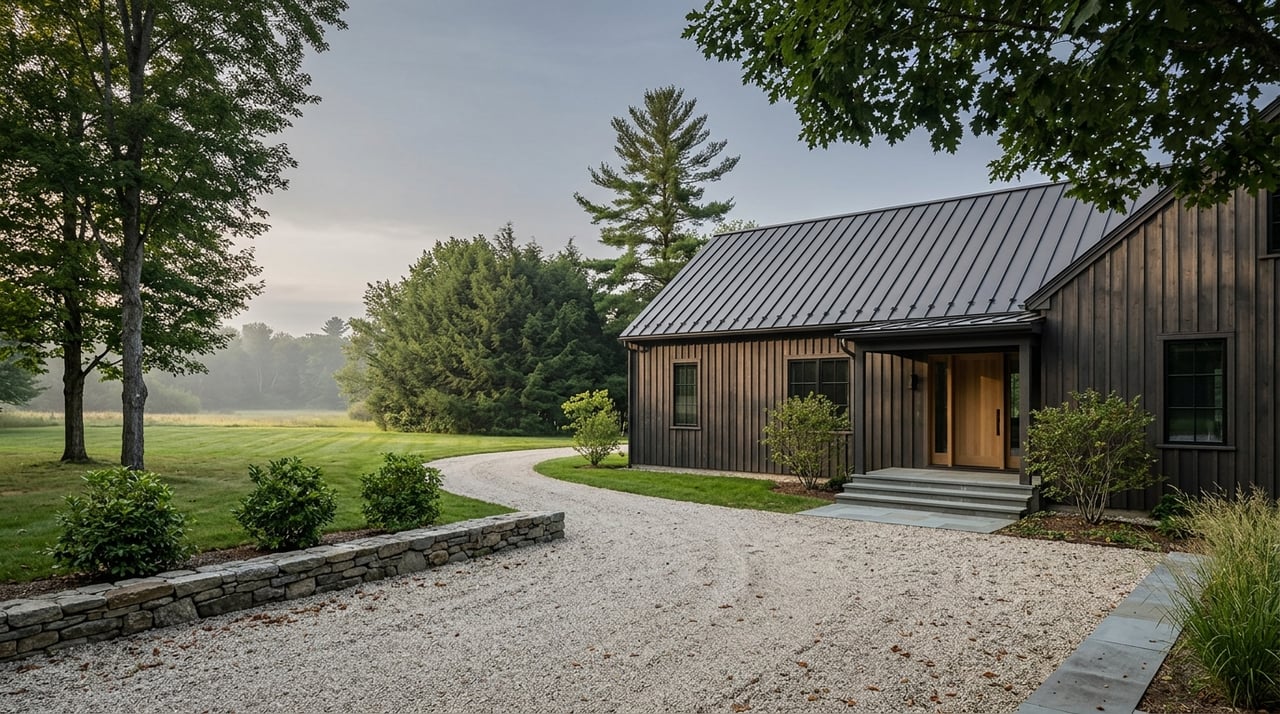
How Ulster County Buyers Weigh Land, Views, And Privacy
Choosing a home site in Ulster County rarely comes down to square footage alone. If you are searching here, you are often weighing something more personal: how the land feels, what you see when you look out the window, and whether the property gives you the sense of calm and separation you actually want. Those choices can shape daily life and long-term value, so it helps to understand how serious buyers think through them. Let’s dive in.
Ulster County’s landscape gives land an unusually important role in the buying decision. County planning materials highlight major open-space assets such as the Shawangunk Ridge, the Catskill Forest Preserve, rivers, valleys, waterfalls, scenic areas, trails, and watersheds. In a place defined by mountains, water, and varied terrain, the parcel itself often carries as much weight as the house.
That also means Ulster County does not behave like one single market. The county includes a city, villages, and many towns, and each area can feel very different depending on how close you are to places like Kingston, New Paltz, Woodstock, Saugerties, or Ellenville. A property on a remote hillside may offer one kind of experience, while a home a few miles closer to town may offer another entirely.
A view is not just a yes-or-no feature. Experienced buyers usually ask what is visible, from where in the house or land it is visible, and how likely that visual advantage is to last. That approach matters because research shows scenic value can affect price, but the size of that premium varies widely by location and view type.
One study cited in the research found an average 3.4% price premium when visual accessibility and proximity to protected scenic land were combined in a single-family setting. At the same time, broader research shows there is no universal rule. In other words, a dramatic mountain panorama, a soft woodland outlook, and a partial river glimpse should not be treated as equal assets.
In practical terms, buyers tend to look at a few specific factors:
This is why two homes with “views” can feel worlds apart. One may open to a broad ridge line or valley, while another may offer a filtered seasonal glimpse through trees. Both can be attractive, but buyers usually value clarity, scale, and permanence.
Topography is one of the biggest filters in Ulster County. Planning documents for the Town of Ulster note that elevation and slope are important considerations, and that elevation changes can affect local weather conditions, including longer morning fog in low-lying areas. That helps explain why one property may feel bright and expansive while another feels sheltered and enclosed.
A ridge-top setting often creates a sense of openness and long-range visibility. A lower parcel may feel more protected and private, especially when surrounded by trees. Neither is automatically better, but each creates a different living experience that buyers should assess carefully.
Here is a simple way many buyers frame the difference:
| Setting | Often Appeals Because | Tradeoff to Consider |
|---|---|---|
| Ridge or elevated site | Broader outlook, more open sky, stronger sense of panorama | More exposure to weather and less shelter |
| Lower or tucked-away site | Greater enclosure, softer landscape feel, more privacy | Less light in some cases and possible fog in low-lying areas |
In Ulster County, these distinctions matter because the land itself shapes how a property feels in every season.
Many buyers assume privacy comes from acreage alone, but site design often matters just as much. County planning guidance emphasizes both large-scale planning and detailed site design, which is a useful reminder that privacy is created through layout as much as lot size. Two parcels with similar acreage can feel completely different once you factor in setbacks, tree cover, grade changes, driveway placement, and house orientation.
That is why a smaller but well-sited property can sometimes feel more private than a larger parcel with a more exposed layout. If you are evaluating privacy, it helps to think beyond the map and focus on what daily use will feel like. Where do you see neighboring structures, roads, or activity, and where do you not?
Buyers often pay close attention to:
These details can make a property feel restorative without requiring extreme remoteness.
In Ulster County, land, views, privacy, and access are deeply connected. Buyers are usually balancing several goals at once rather than maximizing only one. The most successful purchases often come from understanding those tradeoffs clearly before making an offer.
The county’s prized landscapes often sit on ridges, mountain edges, and elevated sites. Those settings can offer the drama buyers want, but they may also come with a more exposed day-to-day experience, especially during strong weather or winter conditions. For many buyers, the question becomes whether the visual payoff is worth the practical reality of the site.
A tucked-away property can feel wonderfully private. At the same time, a longer approach road or a more remote location can affect commuting, deliveries, plowing, and quick trips into town. In a terrain-rich county where roads and bridges are actively managed, access is not a small detail. It is part of the property’s overall livability.
Not all land reads the same to the market. Research summarized in the report suggests that some markets reward grass or water views more strongly than forest-dominant views, and that forest views can be mixed in value depending on context. That helps explain why an open meadow outlook or pasture-edge setting may feel more compelling to some buyers than a denser wooded parcel of similar size.
Many buyers want the best of both worlds: closeness to trails, preserves, and village amenities without feeling exposed to traffic or foot traffic. In Ulster County, that balance matters because recreation infrastructure is a real part of the landscape. The county is planning a rail-trail connection from Kingston to the Ashokan Reservoir, and regional trail systems continue to shape how buyers think about access and lifestyle.
For resale, the most important question is often not whether a property has a compelling feature today, but whether that feature is likely to hold up over time. Research on view premiums suggests those premiums are real but highly local. Some views command strong value, while others have a weaker or even mixed effect depending on setting and context.
That is why durable amenity anchors matter so much. In Ulster County, protected open-space assets and established recreation destinations can support the long-term appeal of a location more reliably than a view that depends on one fragile sightline. Buyers often feel more confident when the surrounding landscape has a level of permanence.
Ulster County and the broader Hudson Valley offer several examples of lasting outdoor assets that shape demand:
These assets do not make every nearby property equal, but they do help explain why access, scenery, and recreation carry real weight in the area.
The strongest Ulster County properties usually balance three things well: a visual asset that feels meaningful, privacy that works in real life, and access that supports year-round living. Rarely does one parcel maximize all three perfectly. Most buyers are deciding which strengths matter most to their version of country living.
If you are comparing properties in Ulster County, it helps to ask simple but revealing questions. Is the view broad or partial? Is the privacy created by smart siting or just distance? Will the approach feel manageable in every season? And does the property offer a setting that is likely to remain compelling when it is time to sell?
For buyers moving between Manhattan and the Hudson Valley, these questions become even more important. A property may look beautiful at first glance, but the right purchase is usually the one that aligns beauty, practicality, and long-term confidence. If you want help weighing those factors with local perspective and a discreet, strategic approach, the Gladstone Karadus Team can help you evaluate Ulster County properties with clarity.
Gladstone Karadus Team is dedicated to helping you find your dream home and assisting with any selling needs you may have. Contact them today for a free consultation for buying, selling, renting or investing in New York.

220 W 19TH ST FL 5 NEW YORK NY 10011